Cracking orca dialects: New tool catalogues killer whale calls
A new open-access Orca Call Catalogue from Simon Fraser University lets researchers identify killer whale ecotypes, clans and pods by their unique vocal dialects alone.
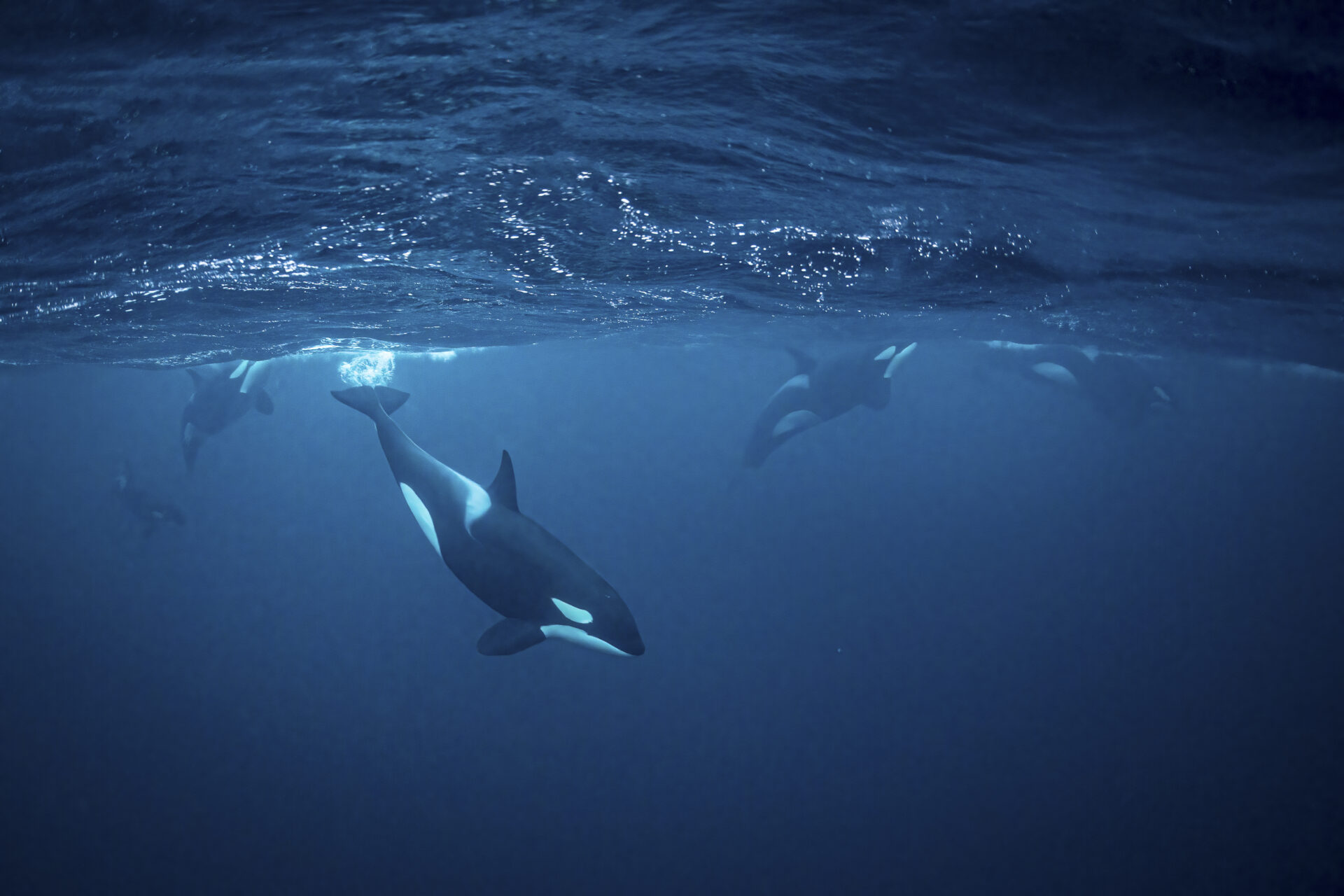
A new open-access catalogue of whale calls will allow researchers and orca enthusiasts to identify distinct killer whale populations, clans, and family groups by their vocalisations alone – turning decades of scattered recordings into a searchable field guide for the first time.
Developed at Simon Fraser University, the Orca Call Catalogue was built in collaboration with SFU’s Humans and Algorithms Listening to Orcas (HALLO) project.
According to John Ford, a scientist emeritus at Fisheries and Oceans Canada who worked on the audio library, the catalogue arrives just as underwater listening becomes increasingly widespread along the British Columbia coastline.
“More and more people are listening for orcas on live-streaming underwater microphones along the British Columbia coast, or analysing recordings from acoustic monitoring instruments placed on the seafloor,” said Ford.
“With this catalogue, recordings can tell us so much more than just ‘killer whales are here’. It tells us which ecotype it is, which clan or subclan, and, within the resident populations, which pod it is. It’s incredibly valuable for conservation, helping us track movement patterns that relate to prey, identify critical habitat at different times of the year, and look at how disturbance like noise might be affecting the whales.”
The Pacific Coast is home to three killer whale ecotypes, each with its own distinct call sounds: resident (southern and northern), Bigg’s killer whales (also known as transient), and offshore killer whales. Resident and Bigg’s ecotypes have distinct clans that share calls forming their own dialects, and even different family groups – or pods – within the same clan show variation in their call types.
“Comparing the dialects of clans within a resident population like the Northern Residents would be like comparing Mandarin to Swahili,” said Ford. “There are no calls shared between these clans, even though they’re in the same population.”

In other news


Beyond cataloguing and identifying different call types, the tool also captures variation in how different groups make those calls – variation that may hint, some suggest, at emotional state.
“With practice, you can start to interpret their mood based on how they’re making a call,” Ford continued. “If a call is shorter and higher pitched, it can convey excitement, much like humans tend to speak faster and raise their voices when they’re excited.”
Knowing which individual is making which calls could bring researchers closer to decoding what orcas are actually saying.
“The killer whale brain is so different from ours, and a huge part of their brain is dedicated to acoustic processing of sound. The way we convey information and language is probably completely foreign to the way they do,” said Ruth Joy, principal investigator on the HALLO team.
“We are trying to get closer to tying particular calls to specific activities, and tools like this catalogue are invaluable.”


"*" indicates required fields
Printed editions
Current issue
Back issues
Enjoy so much more from Oceanographic Magazine by becoming a subscriber.
A range of subscription options are available.
