COP30: Brazil to sustainably manage all its national waters by 2030
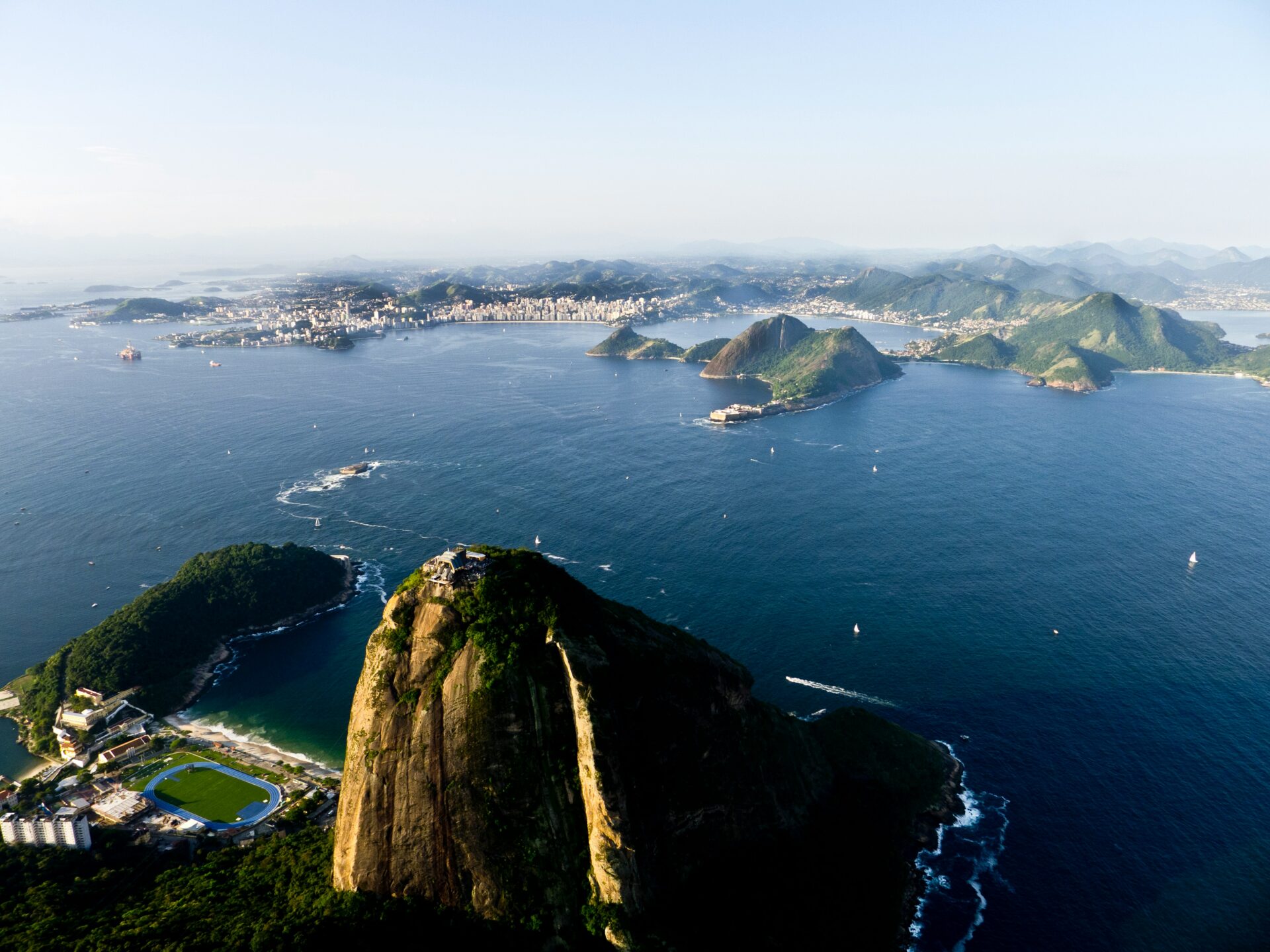
Brazil has announced today at COP30 that it will sustainably manage all 3.68 million km² of its national waters by 2030 - a commitment that instantly positions the country among the world’s most ambitious ocean stewards.

In a major boost for global ocean-climate ambitions, Brazil announced today at COP30 that it will sustainably manage all 3.68 million km² of its national waters by 2030 – a commitment that instantly positions the country among the world’s most ambitious ocean stewards.
The move comes as the COP30 host nation steps aboard the High Level Panel for a Sustainable Ocean Economy (Ocean Panel) as its 19th member, a move that commentators have hailed for ‘deepening international momentum toward ocean-centred climate action’.
With the largest coastline in South America and the tenth-largest ocean area globally, Brazil’s maritime domain is both vast and vital. The nation’s ocean economy drives an estimated 19% of its GDP, anchors 3.5 million jobs across fisheries and aquaculture, and fuels roughly 70% of domestic tourism revenue.
In a statement, President Luiz Inácio Lula da Silva underscored what’s at stake.
“Without the ocean, we cannot truly confront climate change,” Lula said. “The ocean is central to Brazil’s culture, diet and livelihoods, and building a sustainable ocean economy will open new opportunities for Brazilians. That’s why we have joined the Ocean Panel in its vision to safeguard the ocean and use its resources wisely and responsibly.”
Brazil’s marine and coastal ecosystems offer formidable climate advantages. The country hosts the world’s second-largest stretch of mangroves – natural carbon vaults capable of storing up to five times more carbon per area than tropical forests and drawing it down from the atmosphere three times faster. These dense green buffers shield shorelines from extreme weather while nurturing fisheries that millions depend on, underpinning food security and resilience in a warming world.
The Ocean Panel – co-chaired by Norway and Palau and supported by a Secretariat at the World Resources Institute – unites heads of state from 19 countries to accelerate the sustainable use and protection of marine spaces. All members, now including Brazil, have committed to crafting national Sustainable Ocean Plans within five years, charting pathways to manage 100% of their ocean responsibly.
In other news


Brazil had been hinting toward a more assertive role in ocean diplomacy for a while. Earlier this year at the UN Ocean Conference, the country partnered with France to launch the Blue NDC Challenge, an initiative encouraging nations to strengthen and implement ocean-based measures within their climate commitments.
Research from the Ocean Panel suggests the payoff could be substantial: ocean-based climate solutions could contribute up to 35% of the emissions reductions required to limit global warming to 1.5°C by mid-century.
Leaders across the Ocean Panel welcomed Brazil’s arrival.
“The ocean must be central to our collective future,” said Palau President and Panel Co-Chair H.E. Surangel S. Whipps Jr. “Brazil presides over a vast ocean area, and in committing to 100% sustainable management, it strengthens not just its own future but the future of every ocean-dependent nation.”
Norway’s Prime Minister Jonas Gahr Støre echoed that sentiment, noting that Brazil’s participation “greatly strengthens the Panel” and reinforces the global understanding that the ocean sustains livelihoods, regulates climate, and supports future generations.
Brazil is not alone in making bold commitments. Ten non-member nations – including Panama, the Republic of Korea, and eight African countries – have also pledged this year to sustainably manage all of their national waters. Panama and Korea did so through the Ocean Panel’s 100% Alliance campaign, while the African bloc endorsed the Yaoundé Declaration.
Together, these commitments reflect a growing recognition: the ocean is emerging not just as a casualty of climate change, but as one of the planet’s most powerful tools for tackling it.


"*" indicates required fields
Printed editions
Current issue
Back issues


Enjoy so much more from Oceanographic Magazine by becoming a subscriber.
A range of subscription options are available.
