"Durable ocean health cannot rest on political declarations alone"
If we want climate promises to live on outside conference halls, we must engage local communities and put their expertise at the heart of global policies, argues Fauna & Flora's CEO Kristian Teleki.
As ocean leaders from around the world gather in Kenya this week, we collectively face the challenge of our careers.
In a year when experts are predicting a super El Niño, the importance of the ocean has rarely been clearer. A warming ocean is not only dangerous for the species that call it home, but for all of our wondrous planet’s intricate interconnections.
The ocean is humanity’s greatest ally, absorbing much of the excess warmth we have generated through decades of fossil fuel use, and in doing so it slows the process of climate change. To do so effectively, it needs our protection – yet less than five years before 2030, we are woefully behind in the globally-agreed target to protect 30% of the ocean by the end of the decade.
The pressure is on, but we must resist the temptation to rush to big announcements of new protected areas of ocean. Politicians – and other high profile decision makers – can play a huge part in building momentum and sourcing finance, but durable ocean health needs solid, long term planning – not just eye-catching headlines.
Without adequate planning time, robust funding and the proper involvement of local people, there is a risk that we just create ‘paper parks’, and future generations deserve more than that.
The health of the ocean is of global importance, but the focus must be on locally-led conservation – because if conservation plans don’t include those who live from and beside the ocean, then they can never be sustainable in the long term. By building from local experience and expertise, connected with scientific insight, and by using funding which flexes to a local community’s approach and goals, we can have truly transformative results for both the ocean and people.
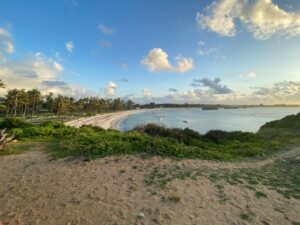
Just along the coast from this week’s Our Ocean Conference, Fauna & Flora worked with our local partners to provide training within a small traditional island community to enable women to take on leadership roles in nature conservation.
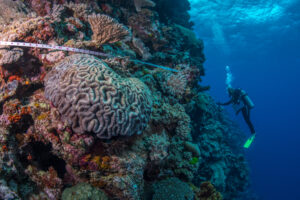
A couple of years on, those women – known locally as the Mamas – are spearheading impactful work on reducing and recycling plastic waste, restoring mangrove forests, and securing a more sustainable future for Kenya’s seagrass meadows and coral reefs. This week they will be attending Our Ocean to share their stories and learn from others doing similar work.

in other news



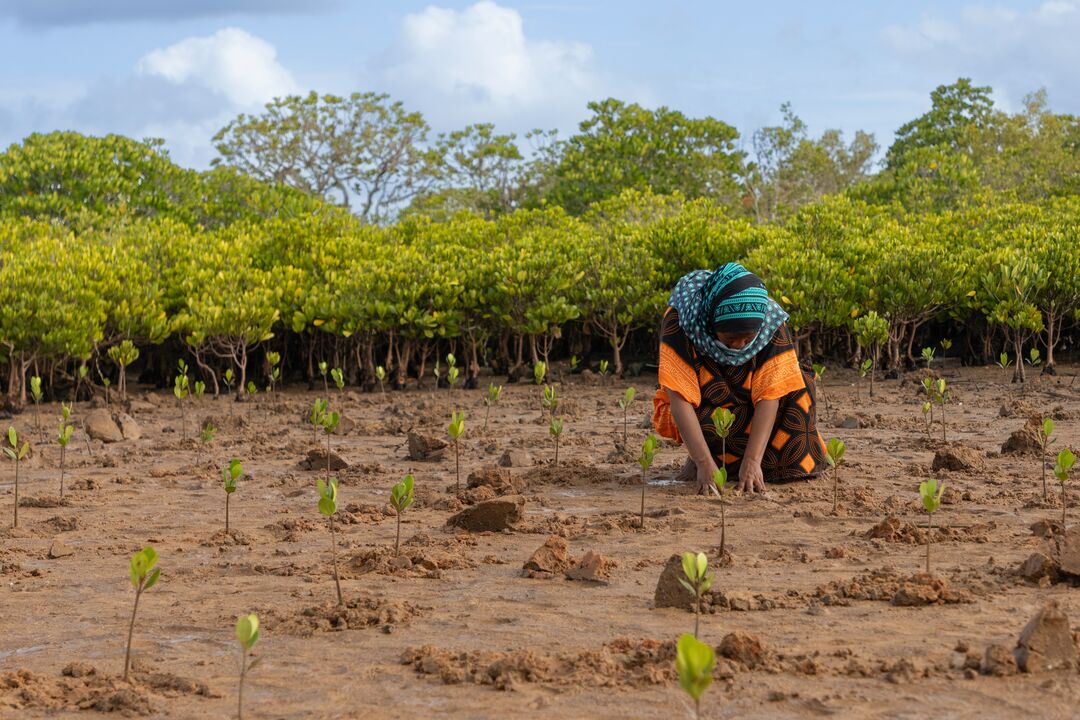
They are listened to and respected where they work because they are known by and, in turn, they know their communities. They know what has worked in the past and what has proved more challenging, how people like to live and their values, what is important to them and what feels alien.
If international organisations ignore this approach then, at best, we will be gambling with the ocean’s future and, at worst, we could end up overseeing expensive failures at a time when we have no time to lose.
Ultimately, durable ocean health cannot rest on political declarations alone. Governments come and go, but communities remain, living with the consequences of today’s decisions long after the politicians have moved on. If we want commitments to outlast electoral cycles, we must invest in the people who will still be there long after the conference halls have emptied.
So, this week, I hope to see ambition, not just politicians chasing headlines while avoiding accountability. Most importantly, I hope for humility on the part of the decision makers and big funders in recognising that widespread global approaches will only work if enacted through an intricate network of truly local programmes and leaders. This is the best way we can support our ocean, and enable it to support us all in return.


"*" indicates required fields
Printed editions
Current issue
Back issues

Enjoy so much more from Oceanographic Magazine by becoming a subscriber.
A range of subscription options are available.
