EU krill market on the turn as producers and retailers withdraw
Time Health signs Antarctic Krill Pledge, becoming first manufacturer to drop krill products, as pressure grows on the industry amid ecological concerns, scientific warnings, and expanding retailer withdrawal across Europe.
Pressure on the Antarctic krill industry is intensifying, as UK-based supplement company Time Health becomes the first producer to sign the Antarctic Krill Pledge – committing to phase out all krill-derived products from its range in the coming months.
The pledge – authored by Holland & Barrett in collaboration with Sea Shepherd Global – calls on companies across the supply chain to eliminate krill-based products and commit to not reintroducing them in the future. It highlights the ecological importance of krill, stating that “krill are the foundation of Antarctic life” while “as retailers, we recognise our sourcing decisions shape ecosystems far beyond our shelves.”
In collaboration with Sea Shepherd, those that sign the pledge commit to protecting Antarctic ecosystems by reducing pressure on krill, a species essential to whales, penguins, seals, and the wider marine food web.
Time Health’s decision marks a significant shift beyond retail, extending responsibility into the manufacturing sector. The company has also committed to a transparent divestment timeline, aligning with the pledge’s broader call for accountability across the nutraceutical industry.
Responding to the announcement, Peter Hammarstedt, Chief Campaigns Officer for Sea Shepherd Global, said: “Sea Shepherd applauds Time Health for becoming the first supplement manufacturer to sign the Antarctic Krill Pledge, joining retailer Holland & Barrett in committing to end the production and sale of krill-based products. Protecting Antarctica demands decisive leadership across the entire nutraceutical industry – from retailers to suppliers – and Time Health’s example sets a clear standard for other producers to follow.”
The announcement comes as Sea Shepherd’s vessel, the Allankay, concludes a six-week expedition in Antarctic waters. During the mission, crews documented what the organisation describes as an escalating conflict between whales and industrial supertrawlers competing for krill – one of the Southern Ocean’s most critical species.
Krill underpin the Antarctic food web, converting phytoplankton into energy that sustains whales, penguins, seals, and countless other species. However, mounting scientific evidence suggests that krill densities around the Antarctic Peninsula – where fishing is most concentrated – may have declined by as much as 80% since the 1970s.

In other news

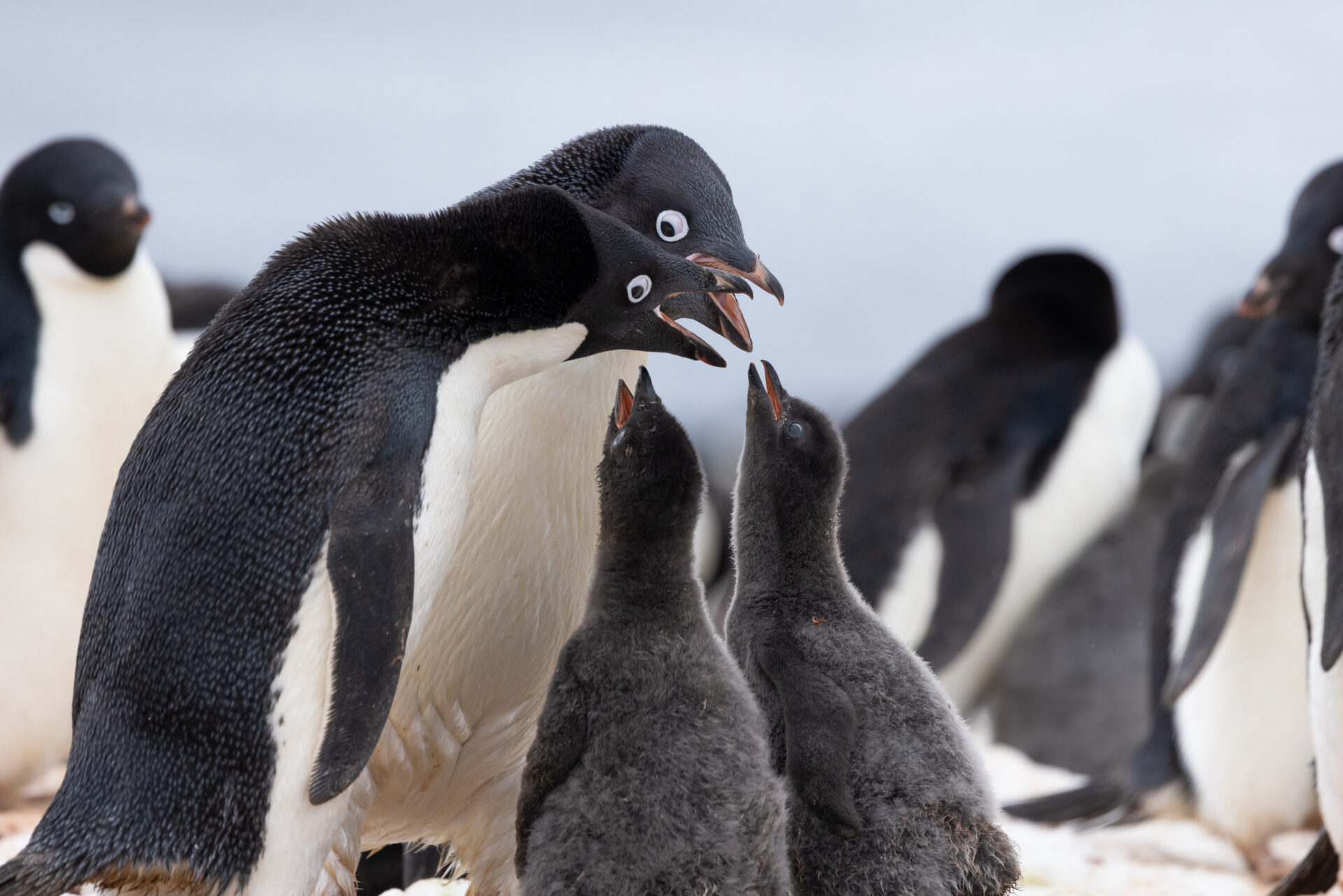
Concerns have deepened over weakening management measures. A key regulation requiring fishing vessels to distribute their catch across a wider geographic area – intended to reduce localised depletion – was not renewed last year. As a result, fishing pressure has become increasingly concentrated in biodiversity hotspots, intensifying risks to dependent wildlife.
Scrutiny of the fishery has also expanded within the conservation community. Earlier this month, both the Antarctic and Southern Ocean Coalition and the World Wildlife Fund formally objected to the Marine Stewardship Council re-certifying the Antarctic krill fishery as ‘sustainable’, calling instead for an immediate moratorium. The move is particularly notable given WWF’s role as a founding member of the MSC.
In a statement, a spokesperson for Time Health said: “As our understanding of the environmental considerations surrounding krill harvesting has developed, we have decided to sign Sea Shepherd’s Antarctic Krill Pledge and phase out krill-derived products. As a business, we support initiatives focused on protecting and restoring critical ecosystems that support carbon capture, and it became increasingly clear that continuing to manufacture products containing krill was not aligned with this direction.
“While there are differing views within the scientific and regulatory landscape, we recognise the ecological importance of krill within the Antarctic ecosystem and believe it is the right time to take a proactive position.”
The company’s move follows a wave of commitments at the retail level. Holland & Barrett was the first major UK retailer to announce a full exit from krill products by April 2026. More recently, Germany’s largest drugstore chain, dm-drogerie markt, confirmed it will remove all krill-based products from its more than 4,000 stores across Europe.
Together, these developments signal a broader shift in market dynamics – one increasingly shaped by scientific concern, public scrutiny, and sustained campaigning at sea and on land.
As the Antarctic krill fishery faces growing opposition, Sea Shepherd and its allies are now looking to manufacturers and suppliers to follow suit, with Time Health’s pledge-setting decision marking a potential tipping point in efforts to reduce industrial pressure on one of the planet’s most fragile ecosystems.


"*" indicates required fields
Printed editions
Current issue
Back issues

Enjoy so much more from Oceanographic Magazine by becoming a subscriber.
A range of subscription options are available.
