EU overfishing is fuelling Senegal's deadly migration
The decades-long overexploitation of the marine fisheries resources of most West African countries is one of the top drivers of illegal immigration to Europe via deadly routes through the Atlantic, the Mediterranean, and the Strait of Gibraltar.

The decades-long overexploitation of the marine fisheries resources of most West African countries is one of the top drivers of illegal immigration to Europe via deadly routes through the Atlantic, the Mediterranean, and the Strait of Gibraltar.
In a new paper published in Proceedings of the Paris Institute for Advanced Studies, an international team of researchers has described the ‘incompatibility of interests that have been distorting Senegal’s fisheries sector for decades’, by “plundering the country’s marine resources and pushing thousands to pursue a better life in Europe”, only to find death on the way.
Last year alone, the paper found, over 10,000 people leaving African shores died on their way to European countries. Of those, 2,000 people took the Senegal-Gambia route, according to the NGO Caminando Fronteras.
Headlines were made earlier this year when the Environmental Investigations Agency released its own report into the treacherous migration route taken by Senegalese looking to escape to Europe.
“In Senegal and neighbouring countries, small fish such as sardines are now scarce and wherever is left is mostly diverted to fishmeal plants. These fish used to supply low-income consumers,” said Dr Daniel Pauly, lead author of the study and principal investigator of the University of British Columbia’s Sea Around Us initiative.
“High value fish and invertebrates are also in decline and tend to be exported by foreign operators.”
The overexploitation of Senegal’s fisheries resources started to be felt in the 1990s. After three decades of high-capacity European vessels fishing intensively in its waters, China entered the area in the 1980s. Meanwhile, Senegal’s traditional, family-operated boats, or pirogues, underwent a modernisation process, aimed at maintaining their catch in the face of increasing competition from foreign distant-water fleets.
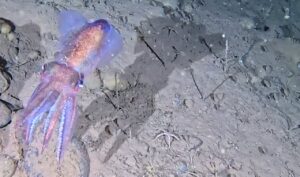
This modernisation involved adding engines and iceboxes, using nylon nets and purse seines, and having crews of over 20 fishers. With these, they were able to target more of the groundfish and small fishes, such as sardines, that they were used to catching and started targeting high-value species like shrimp, tuna, octopus, and squid.
“Senegal saw peak catches in the 1990s when over one million tonnes of fish were caught per year, on average. This figure dropped by half in recent years,” Dr Pauly continued. “In our paper, we analysed the trajectory of the population of Madeiran sardinella and found that it went from underfished in the 1950s to overfished in the 2010s – and continues to be so.
“We also looked at another ten species, such as round sardinella, chub mackerel, and horse mackerel, and found that most have low to very low biomass.”
In other news
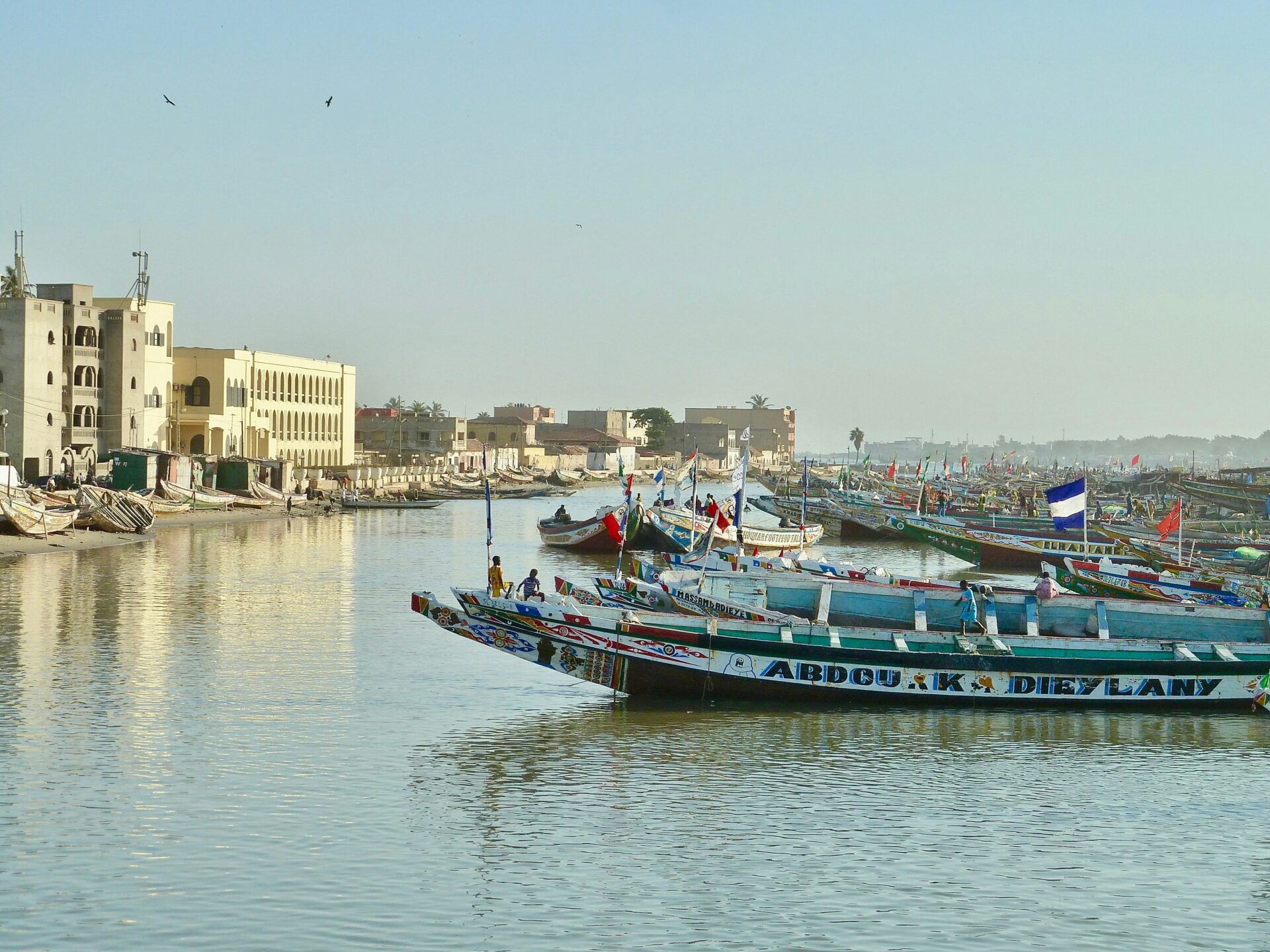
The paper highlights that over the course of the last seven decades, half of the catch in the Senegalese Exclusive Economic Zone has been taken by distant-water fishing fleets. This is higher than the 40% average for Africa as a whole.
In addition to overfishing, climate change is causing certain species – such as sardinellas – to disappear as they have begun migrating northward, driven by the warming waters of Senegal and neighbouring countries.
“Shrinking resources have created an intense competition between local and foreign fleets. Foreign capital has ended up absorbing most of the economic returns, leaving Senegalese boat-owning families scrambling,” said Dr Cornelia Nauen, co-author of the study and president of the non-profit association Mundus maris.
“Declining economic returns led boat-owning families to reduce their support for crew members. Women in these families, who used to have considerable income and managerial clout, ended up as paupers or factory workers. This, combined with long-standing difficulties in implementing marine governance strategies that allow for fish population recovery, has turned emigration into an option considered by an increasing number of families.”
In addition to analysing fisheries catches and assessing the stocks of ten species fished in the Senegalese EEZ, the authors have examined 105 media articles published between 2000 and 2025, which reported on Senegalese fisher migration to Europe. It was found that 59% of the news stories presented distant-water fleets as having contributed to out-migration from the West African country to the EU.
“European and Chinese distant-water fleets are heavily subsidised, and this is what allows them to maintain pressure on overfished stocks,” said Dr Rashid Sumaila, co-author of the paper and director of the Fisheries Economics Research Unit at UBC’s Institute for the Oceans and Fisheries.
“Reducing and gradually eliminating subsidies to EU vessels would result in an increase in fish populations in the EU, therefore improving fish supply in the region and curbing the needs to fish elsewhere. It would also enable EU negotiators to insist that Russia, China, and other East Asian countries reduce their subsidisation of fishing vessels. Many international agreements underpin this idea, but there is an implementation gap.”
The paper – From science to conscience: the plunder of Senegal’s fisheries resources, or Europe’s role in the making of a migration crisis – was published in Proceedings of the Paris Institute for Advanced Studies.


"*" indicates required fields
Printed editions
Current issue
Back issues


Enjoy so much more from Oceanographic Magazine by becoming a subscriber.
A range of subscription options are available.
