Failure to act on Antarctica leaves Emperor penguin out in the cold
The 48th Antarctic Treaty Consultative Meeting ended without protecting the emperor penguin, despite its Endangered status, as diplomatic gridlock and voluntary tourism guidelines left conservation groups warning that science is outpacing policy.
The nations that govern Antarctica gathered in Hiroshima this week for the 48th Antarctic Treaty Consultative Meeting, yet they left without granting the emperor penguin the legal protection scientists say it urgently needs.
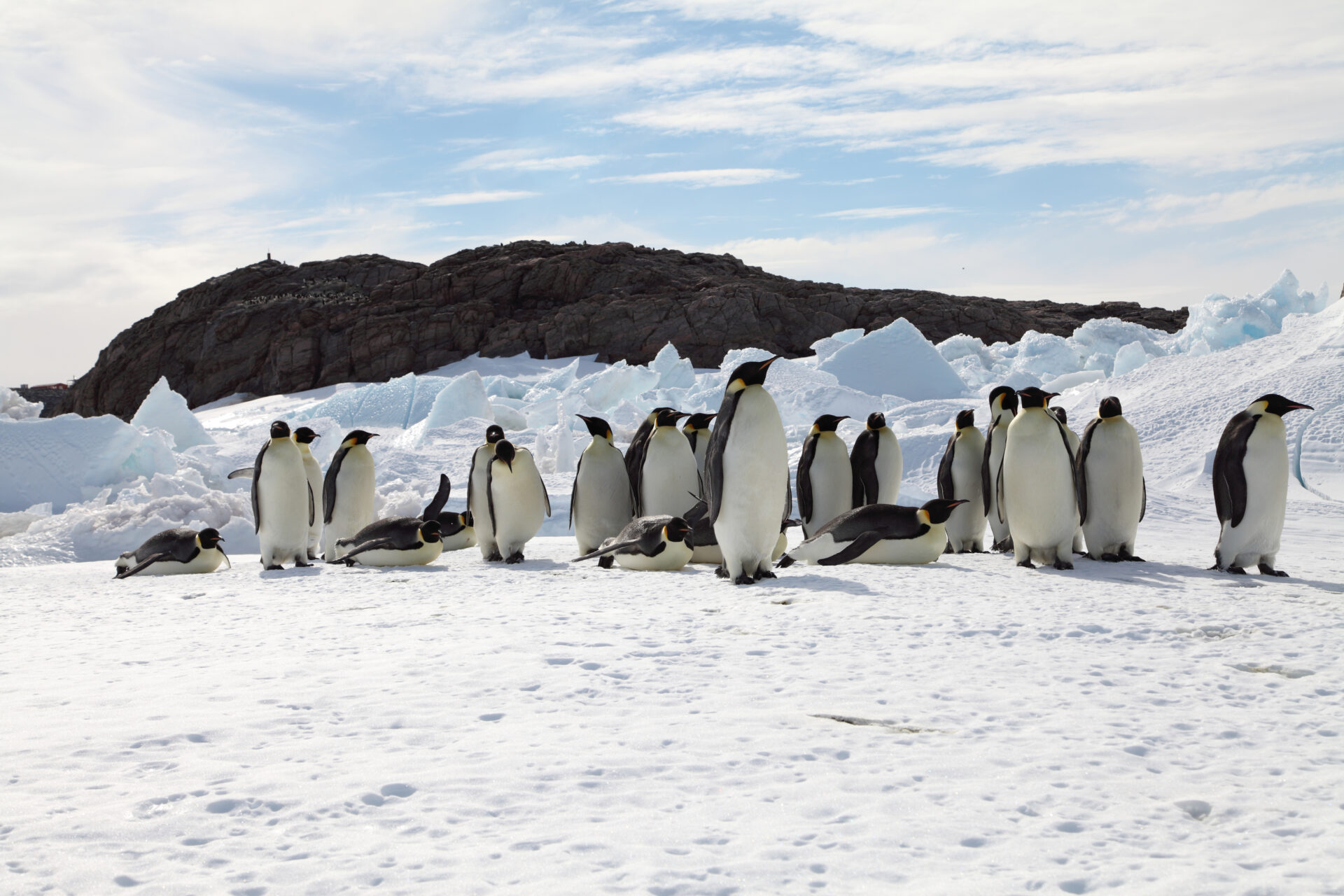
The proposal to designate the emperor penguin as a Specially Protected Species has the science firmly behind it. Earlier this year, the IUCN elevated the species to Endangered status. The Scientific Committee on Antarctic Research described changes across Antarctic systems as “abrupt and accelerating,” with sea ice loss – a critical breeding habitat for the penguin – characterised as “exceptional”.
Under business-as-usual emissions, models project functional extinction of the species by 2100. The proposal was opposed by only a small minority of the Parties present. Yet, still it did not pass.
“The barometer is flashing red, yet critical protections are still being stymied by a small number of Parties,” said Rod Downie, WWF’s Chief Adviser, Polar and Oceans. “The endangered emperor penguin is a stark reminder of how the climate and nature crises are intertwined. We must look now to next year’s meeting in the Republic of Korea to deliver meaningful action to protect this icon on ice.”
Specially Protected Species status would have triggered a coordinated framework of conservation measures – binding commitments to protect the penguin from accelerating habitat loss. Instead, the meeting concluded with Parties reaffirming protection of the species as ‘a priority’. But with little by way of action to implement it.
The result illustrated what conservation groups described as the meeting’s ‘central failure’, and that – fundamentally – science is moving faster than diplomacy.

In other news


“The pace of diplomatic decision-making remains dangerously slow compared to the rapid climate and biodiversity crisis unfolding in Antarctica,” said Claire Christian, Executive Director of the Antarctic and Southern Ocean Coalition.
Tourism presented a similar picture. Visitor numbers to the continent have surged in recent years, and ATCM 48 moved negotiations toward a regulatory framework, but stopped short of anything legally enforceable. Voluntary guidelines remain the primary tool governing an ever expanding industry.
“We cannot continue relying on largely voluntary guidelines while commercial tourism operations expand rapidly across the continent,” said Ricardo Roura, Senior Advisor for ASOC. “Developing a framework is a start, but the ATCM must urgently transform these discussions into mandatory, legally binding regulations before tourism growth outpaces our ability to protect the environment – and its intrinsic values recognised under the Protocol.”
On climate, the meeting heard stark warnings about the consequences of Antarctic ice sheet destabilisation for sea levels, weather systems, and global security. ASOC pressed Parties to carry those warnings beyond the Treaty system, to the UNFCCC and to world leaders. Surveys by the Pew Research Center and the Gallup World Risk Poll show 67% of the global population already views climate change as a major threat.
“The climate crisis is the defining challenge of our era, and the ATCM cannot treat Antarctica as an isolated regional issue,” said Pam Pearson, Director of the International Cryosphere Climate Initiative. “This forum must use its diplomatic leverage to convey, to the UNFCCC and world leaders, the extreme threats we’ll face from Antarctic ice sheet melt unless we urgently cut fossil fuel emissions.”
Japan’s choice of Hiroshima as host was intended to reinforce Antarctica’s status as a continent devoted to peace and science – a powerful symbolic frame for a meeting marking the 35th anniversary of the Environmental Protocol.
“The Antarctic Treaty was a mid-20th-century miracle,” said Patricia Cavalcanti, Program Director Asia-Pacific at Agenda Antártica. “Today, the Parties have a historic window of opportunity to match that legacy with 21st-century ambition in the field of what connects us all – a healthy environment.”


"*" indicates required fields
Printed editions
Current issue
Back issues
Enjoy so much more from Oceanographic Magazine by becoming a subscriber.
A range of subscription options are available.
