Global cooperation needed to save sharks and rays populations
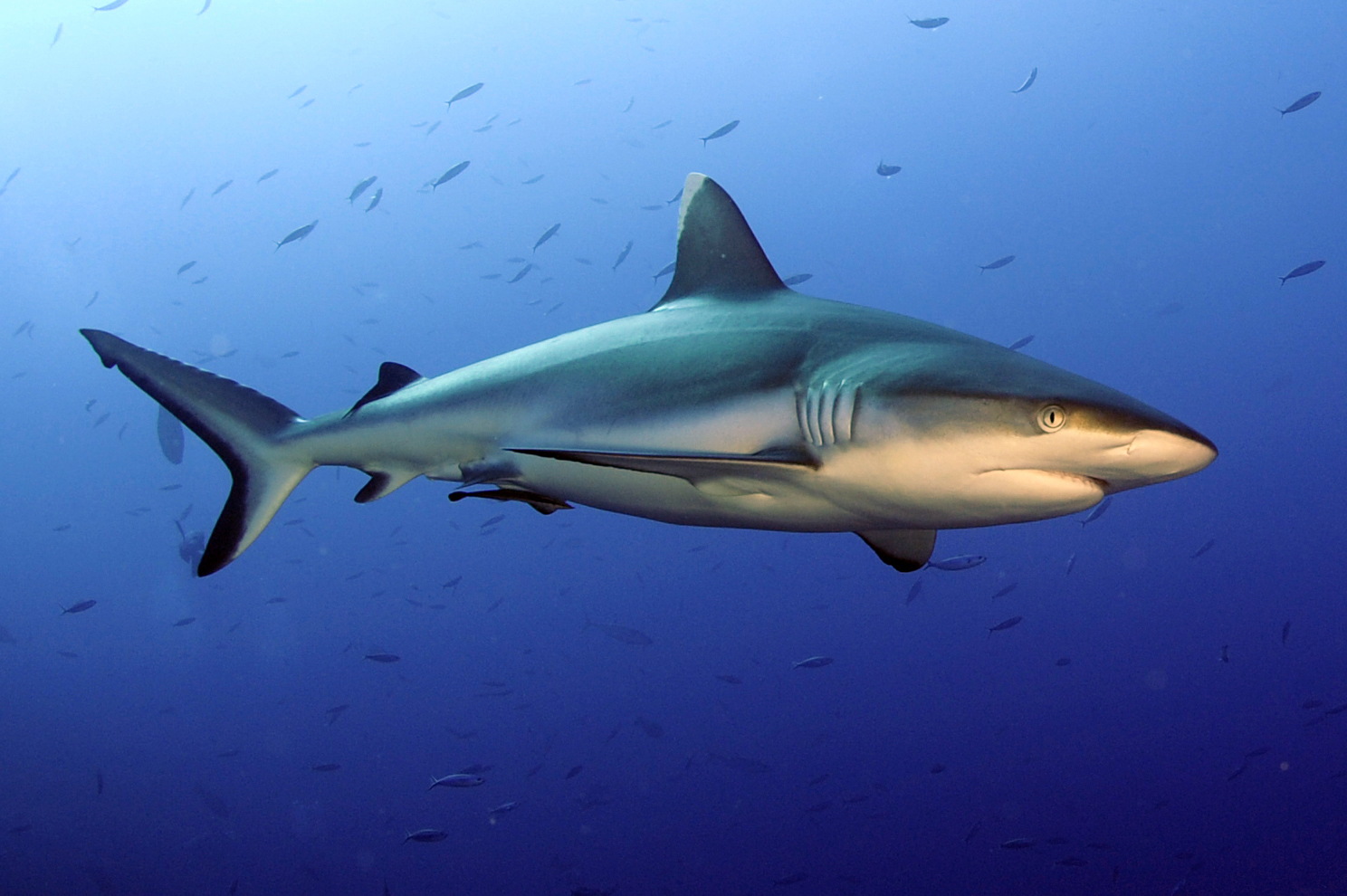
Researchers at the world’s largest shark and ray conservation conference revealed widespread population collapse driven by overfishing, habitat loss, climate change and unsustainable wildlife trade
The world’s leading marine scientists have issued a stark warning that many shark and ray populations risk declining beyond recovery within our lifetimes unless immediate global political action is taken.
Scientists were gathered at the world’s largest shark and ray conservation conference, Shark International 2026. Held from 4-8 May, the event brought together more than 800 participants from over 80 countries in Colombo, Sri Lanka, marking the first time the conference has been hosted in Asia.
Over five days, researchers presented more than 600 scientific papers revealing widespread population crashes driven by overfishing, habitat loss, climate change and unsustainable wildlife trade.
Experts at the conference highlighted a dangerous disconnect in how these marine predators are managed. Despite sharing biological traits with long-lived terrestrial animals, like slow growth, late maturity, and low reproductive output, sharks and rays are still predominantly treated as conventional, harvestable fisheries resources.
“The science presented throughout the week made one thing very clear: we are running out of time,” said Daniel Fernando, Co-Founder of the Sri Lankan non-profit Blue Resources Trust, which hosted the event.
Fernando argued that governments must stop using a lack of data as an excuse for inaction, drawing parallels to past emergency interventions for other marine species.
“Looking back 40 to 50 years, we made drastic changes for species like turtles and cetaceans that used to be commonly fished, and a similar approach is necessary for sharks and rays. We know enough to take action,” he said.

In other news



Through the Blue Resources Trust’s Fisheries and Policy Programme – the country’s first long-term systematic study of shark and ray landings – the organisation supports research, fisheries monitoring, and policy development for threatened marine species.
According to their research, over 105 shark and ray species are recorded in Sri Lankan fisheries. Of those, more than 70% are now considered threatened with extinction according to the IUCN Red List. Despite the high risk, only five of those species currently receive national legal protection in Sri Lanka.
To bridge the gap between global science and local action, the Blue Resources Trust announced plans to establish a purpose-built marine research station to ensure long-term monitoring and support evidence-based policy.
The conference also saw the launch of the Asian Shark and Ray Alliance (ASRA) to bolster regional cooperation across the Global South.
Because sharks travel across vast oceanic boundaries, scientists emphasised that local laws are not enough; robust international enforcement, independent catch monitoring, and strict trade limits are also urgently required.
“The science leaves little doubt about the scale of the challenge ahead,” said Dr Guy Stevens, Chief Executive and Founder of the Manta Trust, who delivered a keynote address.
“What is needed now is the collective political will, international cooperation, and long-term investment required to secure a future for sharks and rays before further declines become irreversible,” he added.
As delegates depart Colombo, attention turns to the next decade, which scientists widely agree will be the decisive window to prevent irreversible extinctions. The next Sharks International conference will be hosted by the Marine Research Foundation in Malaysia.
Click here for more from the Oceanographic Newsroom


"*" indicates required fields
