Fish-eating orcas switch prey across Alaska foraging hotspots
A long-term study in southern Alaska reveals that fish-eating killer whales have a diverse, seasonally shifting diet of salmon and groundfish. DNA analysis of scat shows significant variation across foraging hotspots, challenging assumptions that Chinook salmon dominate their prey.
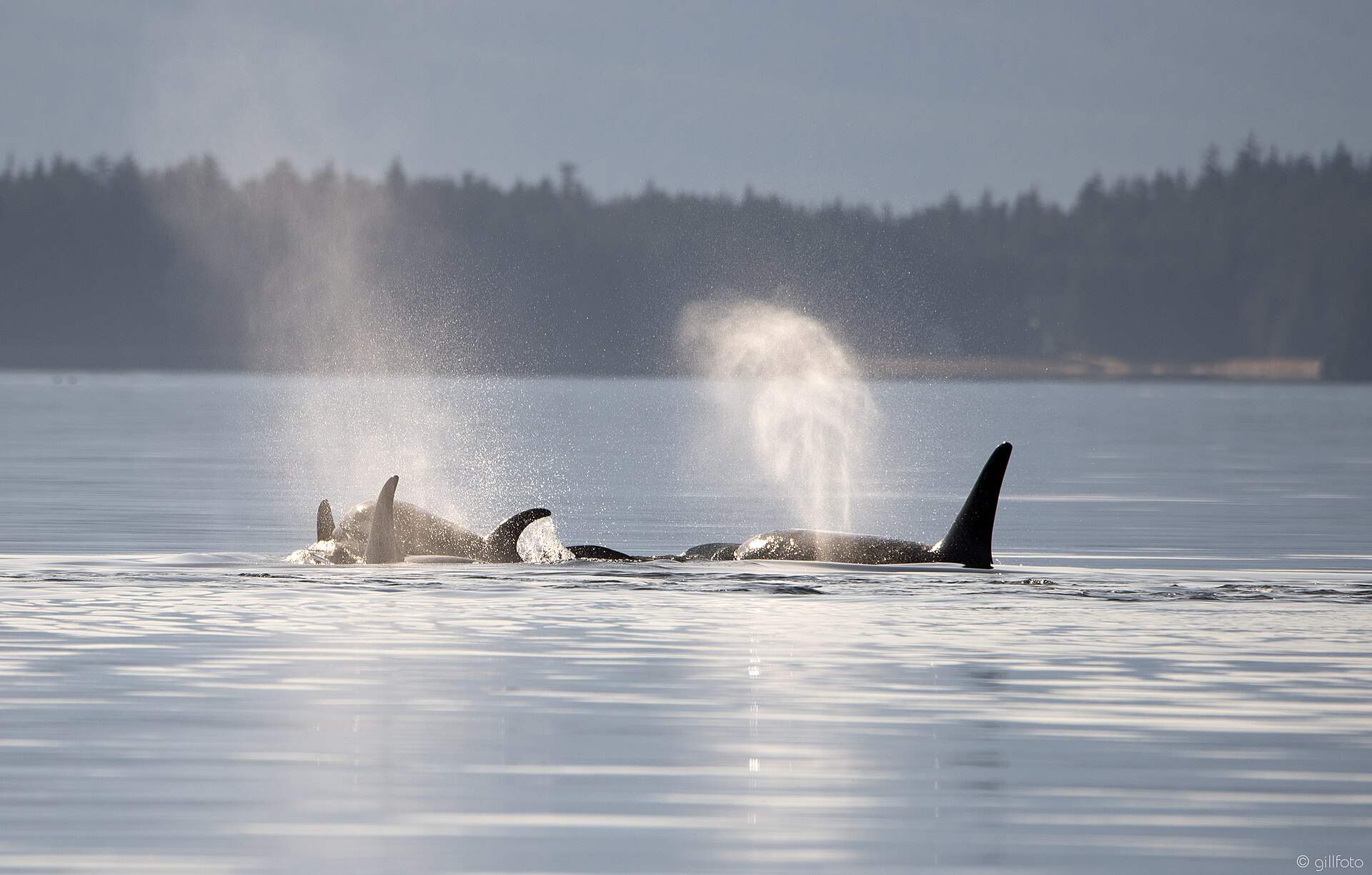
Fish-eating killer whales in southern Alaska are dining on a far broader and more flexible menu than previously understood, according to a new decades-long study published this week in Ecosphere, and one which reveals a diverse, seasonally shifting diet built around salmon and groundfish.
The findings are the latest output from a long-term monitoring programme launched in 1984 by the North Gulf Oceanic Society. Since then, scientists have tracked killer whales each year from May to September in Prince William Sound and Kenai Fjords, building one of the most detailed regional diet datasets to date.
Over decades of fieldwork, researchers have collected roughly 400 prey remains and fecal samples. Together, these fragments – from fish scales and scraps of flesh to floating scat – have helped construct a clearer picture of what these apex predators are actually eating.
The analysis shows that primary prey shifts between Chinook, chum and coho salmon depending on when and where the whales are hunting. Smaller quantities of Pacific halibut, arrowtooth flounder and sablefish were also detected. For some pods, or family groups, such groundfish played a particularly significant role.
Historically, studies of killer whale diet relied largely on surface sampling of prey fragments, usually scales, a method that tended to highlight salmon species. However, newer techniques that analyse DNA from fecal samples have expanded that view, revealing the full breadth of prey consumed.
Hannah Myers, an assistant professor at the University of Alaska Fairbanks College of Fisheries and Ocean Sciences and lead author of the paper, said the variation in prey across even closely situated foraging hotspots stood out.
“Switching between these salmon species – with important contributions from groundfish – is a different narrative from the one we usually hear about the diet of fish-eating killer whales in the North Pacific, which emphasises Chinook salmon as their primary prey,” said Myers, the lead author of the paper.

In other news





The study also underscores the importance of accounting for sampling bias. Chinook salmon samples were collected most frequently in the study, Myers noted, but they were also the easiest to retrieve. When researchers separated the data by season and location, the importance of other prey species became far more apparent.
Collecting the samples required close observation and careful manoeuvring on the water. Scientists followed whales as they foraged, watching for tight turns and distinctive surface movements that signal a fish chase. Once the whales moved on, researchers approached cautiously to scoop up scales or pieces of flesh with a pool net.
Fecal samples were gathered from a distance, collected as they floated to the surface in the upwellings created by the whales’ powerful fluke strokes during dives.
In the North Pacific, fish-eating killer whales – often referred to as “residents” – are distinct from two other ecotypes: one that feeds exclusively on marine mammals and another that eats mostly sharks. Residents are the most common type in the region, with around 1,000 individuals ranging from Southeast Alaska to Kodiak Island. They live in stable matrilineal family groups, with offspring remaining alongside their mothers for life.
A more varied diet could bolster the population’s resilience as fish stocks fluctuate. The findings may also carry implications for fisheries management, which depends in part on understanding natural mortality rates. Greater clarity on how different fish species are affected by killer whale predation could ultimately inform management decisions.
“DNA studies from fecal samples are exciting because they have so much more information than previous techniques,” said Dan Olsen, a biologist with the North Gulf Oceanic Society and a co-author of the paper. “This prey diversity is important to understanding the ecosystem, and perhaps future winter samples will show even more variability when times are lean.”


"*" indicates required fields
Printed editions
Current issue
Back issues

Back Issues
Issue 43 Sir David Attenborough’s ‘Ocean’
Enjoy so much more from Oceanographic Magazine by becoming a subscriber.
A range of subscription options are available.