Mass seabird deaths spark call to protect UK’s fragile species
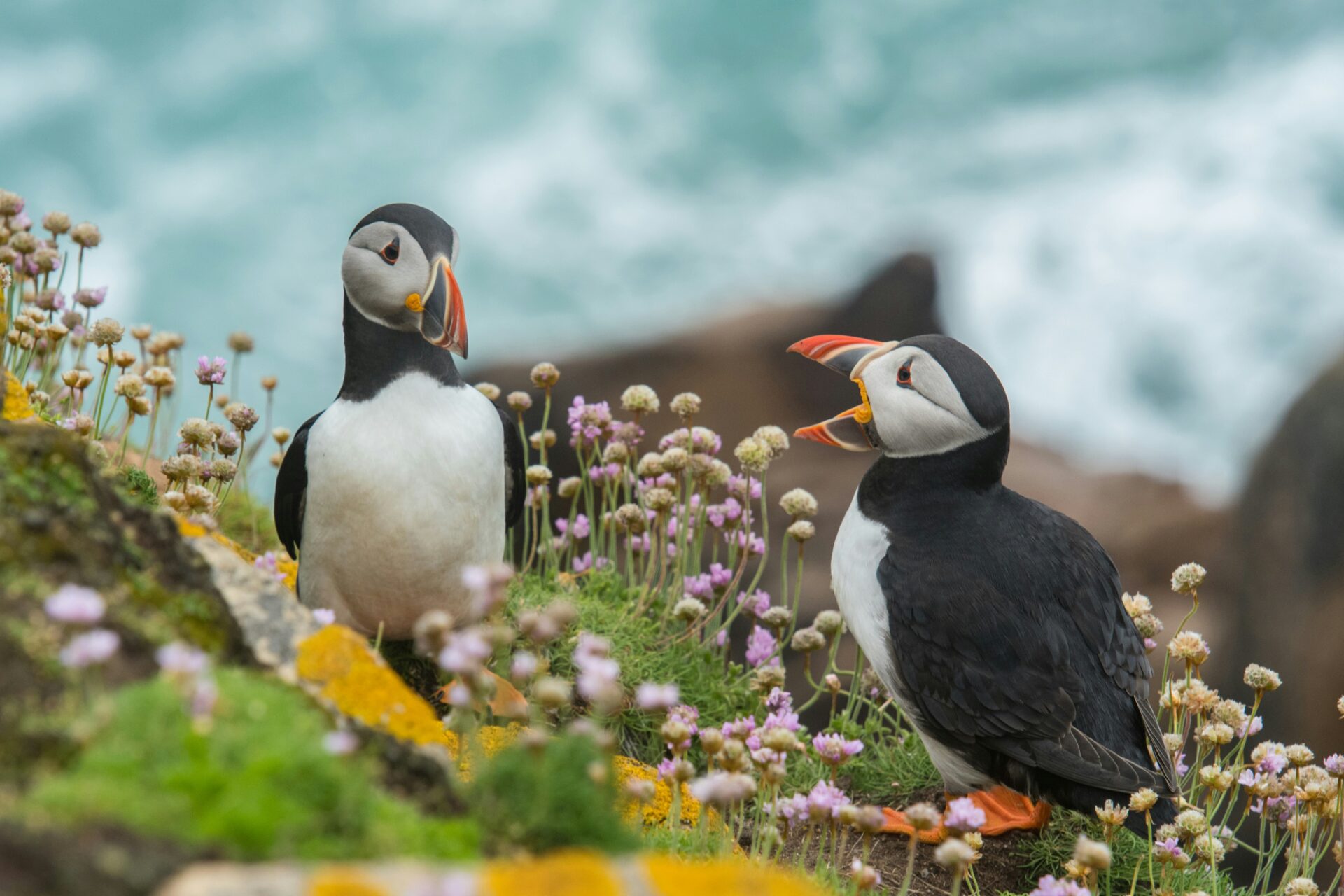
Hundreds of seabirds, including Puffins and Guillemots, have been found dead along UK and European coastlines, prompting urgent calls from the RSPB for governments to implement long-agreed conservation strategies amid worsening pressures from storms, disease, fisheries and offshore development.
The Royal Society for the Protection of Birds (RSPB) has issued an urgent call for coordinated, nationwide action to safeguard seabirds, following reports of hundreds of dead Puffins, Guillemots and other marine species washing ashore. Conservationists warn that the true scale of the mortality event – already spanning the UK and parts of mainland Europe – could run into the thousands.
In recent weeks, carcasses have been recorded along the coasts of Cornwall, Devon, north-east England and across northern and eastern Scotland. Beyond UK waters, extensive strandings have also been reported along the shorelines of Portugal, Spain, France and the Channel Islands, suggesting a widespread marine crisis unfolding across the northeast Atlantic.
Data from British Trust for Ornithology (BTO), gathered through its BirdTrack online reporting platform supported by the RSPB, indicate that the surge in seabird deaths began in late January. Since the start of February alone, observers have logged 150 dead Puffins, 27 Guillemots and 52 Razorbills, alongside nearly 100 additional seabirds including divers and sea ducks.
The precise cause of this so-called “seabird wreck” remains under investigation. Recent winter storms are thought to have created exceptionally harsh foraging conditions, leaving birds unable to feed adequately and ultimately succumbing to exhaustion and starvation.
Avian influenza has, so far, not been ruled out. Members of the public encountering dead wild birds are advised not to touch them, and to report findings to Defra – or Daera in Northern Ireland – for potential collection and testing, as well as to BirdTrack for monitoring.

In other news

The longer-term consequences for seabird populations will only become clear when surviving birds return to breeding colonies in the months ahead. Yet experts caution that this mortality event strikes against a backdrop of chronic decline.
Across the UK, 62% of seabird species are already in decline – a figure that rises to 70% in Scotland. When the first UK Birds of Conservation Concern Red List was published in 1996, just one seabird species featured. Today, ten of the UK’s 25 breeding seabirds, including Puffin and Kittiwake, are Red-listed.
Although Seabird Conservation Strategies have been agreed by governments in England, Wales and Scotland, campaigners argue that implementation has lagged behind ambition.
Katie-jo Luxton, director of conservation for the RSPB, said: “Mass deaths like this underline just how fragile our seabirds are, as well as the urgent need to build resilience in their populations to be able to withstand exactly this type of unpredictable event. Wonderful birds like Puffins are already in crisis, facing a huge range of pressures including unsustainable fishing, disease, badly sited offshore development and the impacts of climate change.
“We need our governments around the UK to focus on implementing measures to protect and restore our seabird populations. In England, Wales and Scotland there are already agreed Seabird Conservation Strategies, which now need actioning and resourcing. In practice, this means managing fisheries better so seabirds can feed safely, stopping seabirds getting caught in fishing gear by deploying measures on all fishing vessels, filling the gaps in our network of marine protected areas, and keeping seabird breeding islands free from invasive predators.”
Offshore energy development remains another point of contention. Conservationists stress that new wind infrastructure must avoid ecologically sensitive zones.
Last month, the UK Government awarded the proposed Berwick Bank windfarm off Scotland’s east coast a Contract for Difference under its latest offshore wind auction round. The site overlaps with a critical feeding ground for internationally important seabird populations, and projections suggest it could result in tens of thousands of seabird deaths over its operational lifetime.
Katie-jo added: “We must stop heaping new pressures on our seabirds if we are to see a turnaround in their fortunes. While these occasional seabird wrecks can’t be avoided, it is absolutely possible to create space for our seabirds and build their resilience so these desperately sad events have a reduced impact on species populations as a whole.”
Dawn Balmer, Head of Surveys at the BTO, emphasised the role of citizen science in understanding the unfolding event: “We can all help better understand what’s happening to our birds, especially our seabirds, at this time by reporting all the dead birds we find for possible collection and testing. Learning more about why the seabirds are very sadly dying is important.”


"*" indicates required fields
Printed editions
Current issue
Back issues



Enjoy so much more from Oceanographic Magazine by becoming a subscriber.
A range of subscription options are available.
