‘Ghost forests’: Are our trees the next victims of sea level rise?
Researchers studying the phenomenon of 'ghost forests' along the mid-Atlantic coastline suggest that encroaching sea levels will affect how well forests absorb carbon.

The lush and bountiful forests dotted along the United States’s eastern coastline are slowly being replaced by ‘ghost forests’, recognisable by clusters of greying trunks, and skeletal dead trees – and researchers have said that these forests may hold the key to understanding how coastal forest ecosystems respond to climate change.
As sea levels climb, encroaching ocean water poisons salt-intolerant trees in these coastal forests, causing them to die off in great numbers.
Researchers from the University of Delaware are now studying these so-called “ghost forests” along the mid-Atlantic coastline, to better understand the environmental impact this phenomenon is having on its surrounding ecosystem.
The research team – led by undergraduate environmental engineering student Samantha Chittakone alongside supervisors Robyn O’Halloran, Delphis Levia, and Yu-Ping Chin – chose to focus on the water which runs down a tree’s trunk after rainfall.
Also known as stemflow, this runoff is full of concentrated nutrients and directs them into the soil near a tree’s roots. It is a useful diagnostic tool for understanding rapid changes to a forest’s ecosystem.
“Stemflow is basically injecting nutrients and really important chemicals into the forest ecosystem so the microbiome there can thrive,” said Chin.
By collecting stemflow samples from healthy, stressed, and dead sweetgum trees – a common species along the mid-Atlantic coast. Their results showed a striking difference between the stemflow samples from the dead and alive trees.

In other news




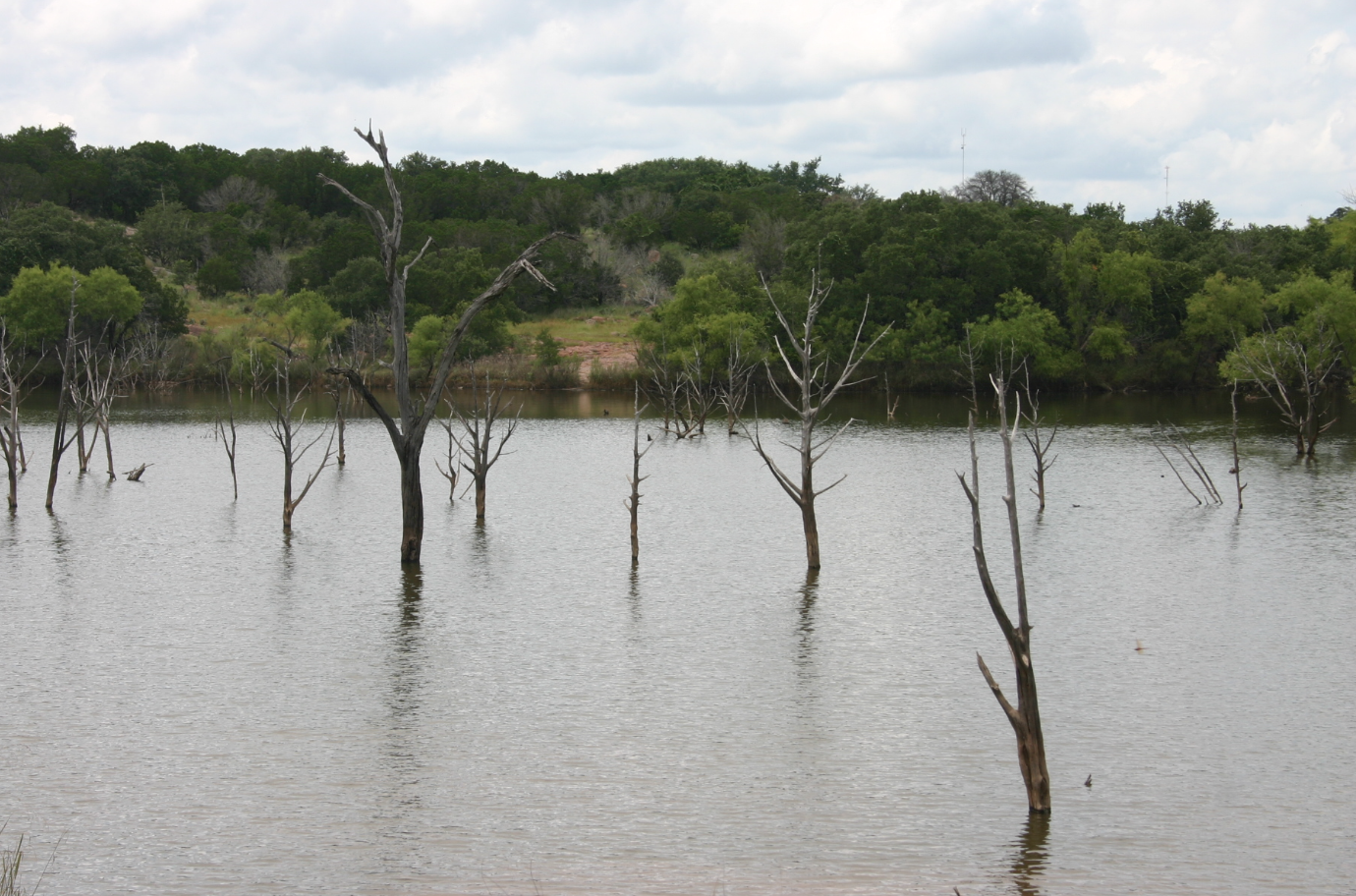
Dead trees absorbed significantly more of the rainfall themselves essentially acting like sponges. When this happens, the soil beneath loses vital water, nutrients, and dissolved organic carbon. That shift can harm moss, understory plants, and the microbial communities that healthy forest floors depend on.
Stressed and dying trees also showed unexpectedly high sugar concentrations in their stemflow, which researchers said may further disrupt the microbes living in near-trunk soil.
Critically, these changes limit how well coastal forests store carbon, and further research into these processes could help scientists predict which forests are most vulnerable as sea levels continue to rise.
“Walking through these coastal forests, surrounded by nature, is beautiful,” said Chittakone. “However, it is disheartening to see the healthy trees becoming less prevalent as you approach the shoreline and the effects of rising sea levels become apparent.”
“People are beginning to understand the role that stemflow plays in forest floor carbon cycling,” added Chin.
“It’s something that we should study more and not overlook whenever it comes to carbon cycling, especially in these vulnerable ecosystems,” added Chittakone.


"*" indicates required fields
Printed editions
Current issue
Back issues




Enjoy so much more from Oceanographic Magazine by becoming a subscriber.
A range of subscription options are available.
