Guga Hunt licence refused for first time in recorded history
NatureScot has rejected the Guga hunt licence for the first time in history, sparing around 2,000 Gannet chicks - but campaigners warn the hunt's legal exemption remains intact until parliament acts.
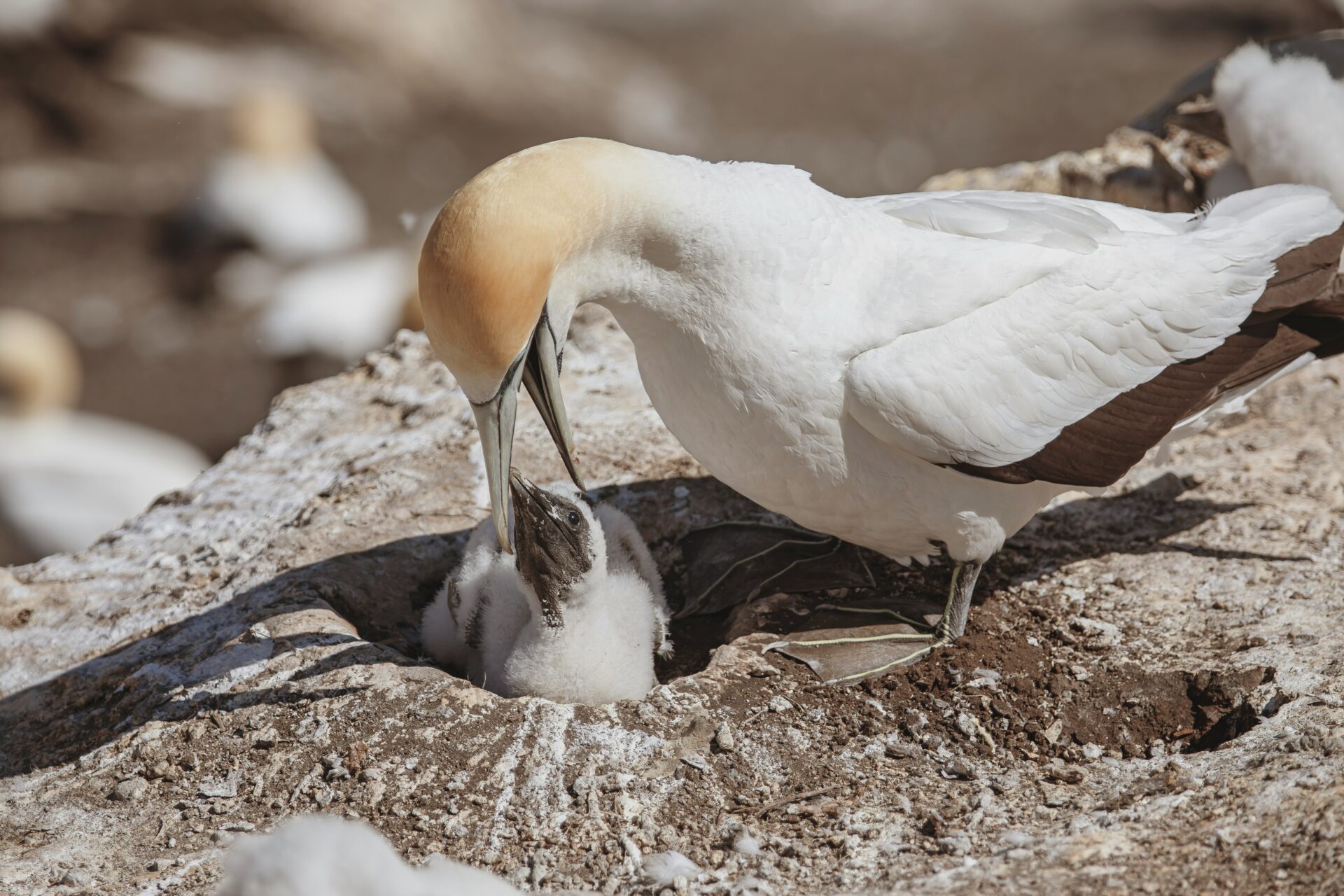
For the first time in recorded history, NatureScot has refused to grant a licence for the annual Guga hunt – the traditional harvest of Northern Gannet chicks on the remote island of Sula Sgeir off Scotland’s north-west coast.
The decision means the Men of Ness, the group of hunters from Ness on the Isle of Lewis who have conducted the hunt for centuries, will not travel to the island this season. Approximately 2,000 Gannet chicks will not be taken.
The refusal marks a significant departure from previous years and is grounded in new scientific modelling that, for the first time, is capable of assessing the cumulative impact of multiple pressures on the Sula Sgeir Gannet population simultaneously.
“After assessing the application against the legislation and using the most recent scientific evidence, our Board’s decision is to refuse a licence,” NatureScot said in a statement.
“We have used the latest information available and commissioned an updated population model to help predict the effect of the guga hunt on the gannet population. As a result, we have concluded an adverse impact is possible, both at the applicants’ requested application limit of 2,000 juvenile gannets, and at a reduced limit of 500.”
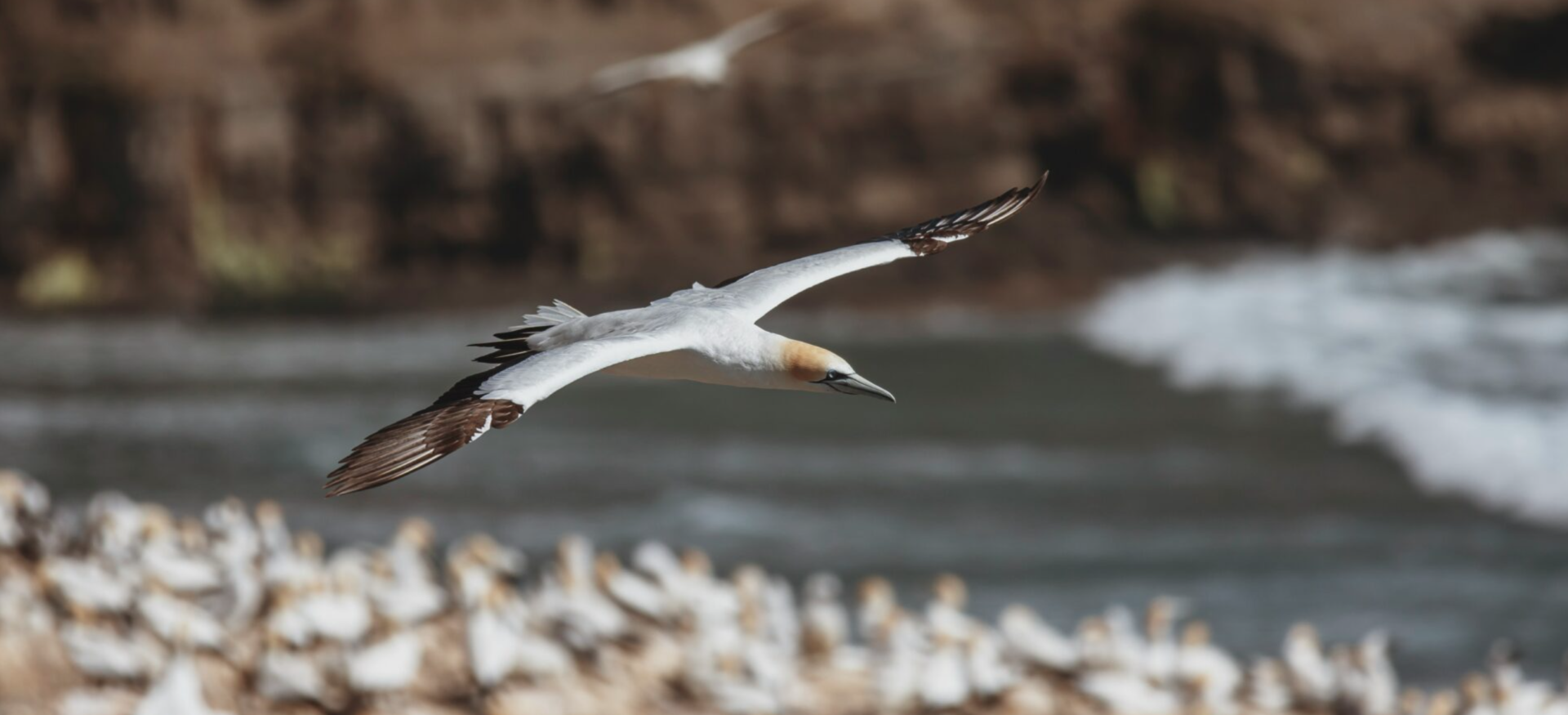
The Sula Sgeir Gannet colony was struck by Highly Pathogenic Avian Influenza between 2021 and 2023 – part of an unprecedented outbreak that caused a 22% decline in Scotland’s overall Gannet population. At Sula Sgeir specifically, the population is estimated to have fallen by between 23% and 41% as a direct result of the virus.
Gannet chicks require approximately five years to mature before joining the breeding population, meaning the full impact of chick mortality during the outbreak will not be visible until the 2027 breeding season at the earliest.

In other news

Previous population models used to assess the hunt’s sustainability were built before the avian flu outbreak and were not capable of modelling one-off mortality events of that scale. In 2025, NatureScot issued a licence for a reduced take of 500 birds – down from the traditional 2,000 – based on updated but still limited modelling. At the same time, it committed to commissioning a new population model that could account for avian flu alongside other pressures including bycatch and offshore wind farm development.
That model, completed in 2026, has now fundamentally changed the picture. When avian flu was incorporated into the modelling alongside bycatch and offshore wind, the cumulative impact on the Sula Sgeir population was assessed as potentially adverse – even at the reduced take level of 500 birds.
While campaigners have celebrated the win, NatureScot was explicit that the decision was driven by science, not by the volume or character of public opposition to the hunt.
“While we have noted there appears to be significant opposition to the guga hunt, we have also received a number of expressions of support for the hunt,” the body said. “However, neither position has played a role in our decision-making.”
Protect the Wild, the organisation that led opposition to this year’s licence application, gathered more than 250,000 petition signatures – the largest public response NatureScot has ever received on a single licensing decision. The campaign produced an animation narrated by actor Brian Cox that has been viewed more than 15 million times, staged protests at NatureScot’s headquarters, submitted dozens of Freedom of Information requests, and obtained footage that appeared to show hunters disturbing nesting Gannets in potential breach of licence conditions.
NatureScot acknowledged the campaign generated significant public interest and noted that criminal damage to its offices and increased security costs have so far exceeded £110,000.
The annual voyage to Sula Sgeir has been practised for at least several hundred years. The Gugas – salted and eaten as a traditional food – are regarded as a defining element of Hebridean heritage, and the Men of Ness have long argued that the hunt represents a living connection to the islands’ maritime past.
That tradition operates under a specific legal exemption contained in Section 16 of the Wildlife and Countryside Act 1981, which permits the taking of Gannets from Sula Sgeir despite the wider protections that would otherwise apply to the species.
NatureScot has stated that this year’s refusal does not alter that underlying legal position.
“This decision does not prevent the Men of Ness applying for and obtaining a licence in future years,” it said. “The hunt is recognised in law under the Wildlife and Countryside Act and NatureScot has a duty to consider any licence application based upon the best available science.”
Whether a future application could succeed will depend heavily on the trajectory of the Sula Sgeir population’s recovery. New survey work was carried out at the colony in July 2026, with updated population count data expected in autumn. A further survey is planned for 2027 – a critical moment, when the first cohort of chicks born after the avian flu outbreak would be expected to reach breeding maturity.
NatureScot has indicated that the results of the 2027 survey are unlikely to be available in time to inform any licence application that year, but would underpin assessments from 2028 onward.
The decision is historic yet it is not permanent. Campaigners caution that until the legal exemption in the 1981 Act is removed by the Scottish Parliament, the hunt retains its lawful foundation, and a future licence application remains possible.
Protect the Wild has said it will now focus its efforts on securing a legislative amendment to remove that exemption entirely. The organisation’s founder is scheduled to walk 16 kilometres around the Scottish Parliament dressed as a Gannet – a visible reminder that a single line of legislation stands between the Sula Sgeir colony and permanent protection.


"*" indicates required fields
Printed editions
Current issue
Back issues

Enjoy so much more from Oceanographic Magazine by becoming a subscriber.
A range of subscription options are available.
