Hauraki Gulf Protection Act ushers in 'bold new era for marine life'
The passing of the Hauraki Gulf Tīkapa Moana Marine Protection Bill has been hailed a "huge milestone" for one of New Zealand’s most ecologically significant marine regions, nearly tripling marine protection across the area.

The passing of the Hauraki Gulf Tīkapa Moana Marine Protection Bill has been hailed as a “huge milestone” for one of Aotearoa New Zealand’s most ecologically significant marine regions, nearly tripling marine protection across the area.
Long-anticipated, the legislation introduces a swathe of 19 new marine protected areas across the Gulf, a biodiversity hotspot that has been facing environmental decline for decades.
“For years, communities and people across the political divide have despaired at the effects of the Gulf’s long-standing ecological decline leading to desolate kina barrens and habitat loss,” said New Zealand’s Conservation Minister, Mr Tama Potaka.
“National has delivered the biggest new marine protection area in more than a decade for Aotearoa New Zealand. We’ve taken a once-in-a-generation step to turn around the health of the Gulf.
“In the decades to come, we expect to see fish stocks like tāmure (snapper) and kōura (rock lobster) rebuilding, richer kelp forests creating underwater nurseries, and seabird colonies found nowhere else in the world living healthier on offshore islands. Imagine children fishing off an Auckland wharf into waters once again thriving.”
While the marine protection bill has been the focus of many, it marks a particular milestone for the champion sailors and ocean advocates, Peter Burling and Blair Tuke, co-founders of the marine conservation organisation Live Ocean.
“This is a moment to celebrate,” said Blair Tuke. “There’s still plenty of work to do to look after this beautiful bit of ocean, but this moves us closer to restoring the health of one of New Zealand’s most precious marine areas. I’m really looking forward to seeing those ecosystems start to thrive with the pressure taken off.”
In other news


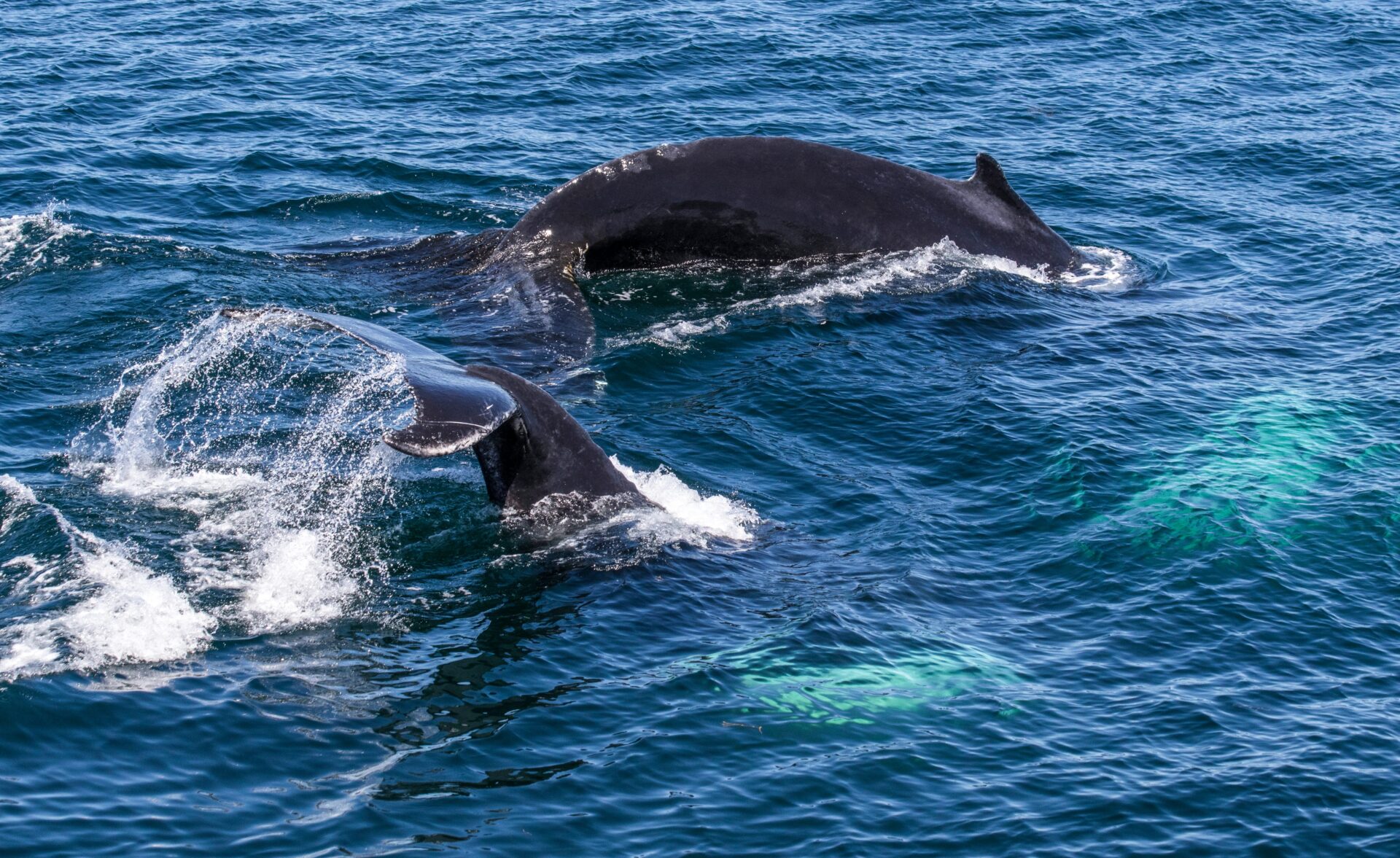
The Bill was passed by the New Zealand Government early this month and follows years of campaigning from conservationists, mana whenua, scientists and community groups. It expands marine protection in the Hauraki Gulf / Tīkapa Moana, including the creation of new high protection areas and fisheries closures.
“This is an amazing first step,” said Burling. “For me, it’s not the complete solution – but it’s a really strong move towards protecting more areas and taking better care of the seafloor.”
Despite New Zealand’s vast marine territory being the fourth-largest ocean region on the planet, less than 1% is fully protected. Since its founding over five years ago, Live Ocean has used science, innovation, and outreach to drive change for the ocean. The organisation has long championed protection for the Gulf, supporting scientific projects focused on kelp forest restoration, responding to invasive Caulerpa outbreaks, and understanding the local population of oceanic manta rays.
The group also backs bold public awareness campaigns, including Swim4TheGulf – a 33-hour, non-stop swim by ultra-endurance athlete Jono Ridler from Aotea / Great Barrier Island to Auckland in 2023. More recently, Foil4TheGulf saw Live Ocean team up with the Black Foils – New Zealand’s SailGP team – to stage the country’s largest-ever foiling event in support of the Bill’s progress.
Live Ocean’s Impact Director, Hannah Prior, says the moment marks a long-awaited shift in public and political will.
“We’ve been warned for decades of the degradation,” she said. “People have spoken about it, and we’ve seen it with our own eyes. This is a huge moment for us all – it’s going to give the Gulf a chance to recover, to breathe again and to restore the life that used to be here.”
With the Bill now passed, attention turns to implementation and what comes next for marine protection in New Zealand. For Burling, Tuke, and the Live Ocean team, the vision remains clear: healthy oceans for a healthy future.


"*" indicates required fields
Printed editions
Current issue
Back issues
Back Issues
Issue 43 Sir David Attenborough’s ‘Ocean’
Enjoy so much more from Oceanographic Magazine by becoming a subscriber.
A range of subscription options are available.
