How marine mammal social lives can accelerate disease spread
New research shows how the social networks of marine mammals can increase vulnerability to infectious disease, highlighting the need to understand social behaviour to better predict, prevent and manage disease outbreaks in oceans under growing environmental pressure.
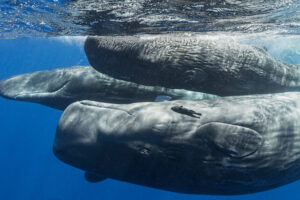
Whales, dolphins and seals are highly social animals known for their intelligence and cooperation. New research shows that these close social bonds, however, can also make marine mammals more vulnerable to infectious diseases, especially as oceans come under increasing anthropogenic pressures.
A new global study led by marine mammal experts from Flinders University, in collaboration with researchers in the United States, warns that disease outbreaks in the ocean could escalate into marine pandemics, with some species far more at risk than others. It highlights a striking gap in how disease risk is understood and managed across marine mammal populations worldwide.
Published in Mammal Review, the study – entitled ‘Sociality of marine mammals and their vulnerability to the spread of infectious diseases: A systematic review’ – draws on decades of historical research to examine how social behaviour influences the spread of infection across species.
At the heart of the study is the simple thesis that disease does not spread randomly but follows social pathways.
Flinders University Associate Professor Guido J Parra says infectious disease transmission in marine mammals remains poorly studied, posing a particular concern for the more than one-quarter of species currently classified as threatened.
“Disease is one of the leading causes of mortality in marine vertebrates, along with fisheries interactions, pollution, habitat degradation and climate change,” said Associate Professor Parra from the Cetacean Ecology, Behavior and Evolution Lab (CEBEL) at Flinders University.
“These stressors tend to weaken immune systems and make animals more vulnerable to infection. Like people, marine mammals have social networks, and diseases move through them. Understanding how these networks differ between species, and how some species interact with others, is essential for developing effective, targeted conservation strategies to manage disease risk.”
In species where individuals form long-term bonds or regularly interact across groups, pathogens can move swiftly and silently, long before signs of illness are visible.

In other news

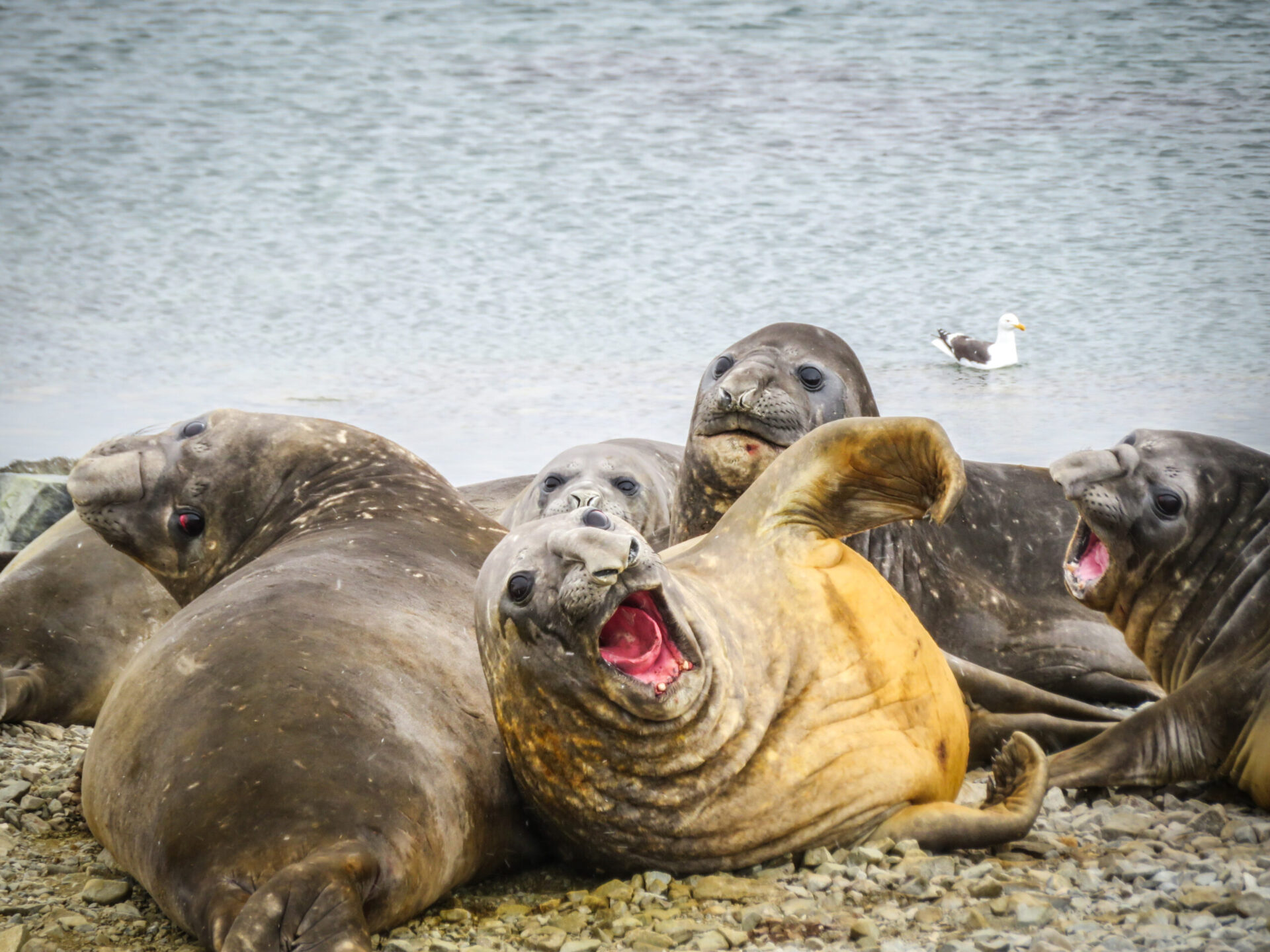
Lead author Caitlin Nicholls, a Ph.D. candidate with the CEBEL research group at Flinders’ College of Science and Engineering, has said that that studying disease in the ocean presents challenges rarely faced by terrestrial ecologists.
“Unlike on land, scientists cannot easily observe every interaction, isolate sick individuals, or intervene early when disease begins to spread,” said Nicholls.
Dolphins, whales and seals often live in dynamic societies – some structured around stable family units, others shifting fluidly between groups. Using long-term datasets, the researchers modelled these social systems to better understand how infection may travel through populations.
One of the study’s clearest findings is the disproportionate role played by highly social individuals.
“These animals, sometimes called ‘super spreaders,” interact with many others and can rapidly pass infections through a population,” said Nicholls. “In dolphin communities, for example, animals with stronger or more frequent social ties are more likely to be associated with disease.”
While bottlenose dolphins are among the best-studied marine mammals, the study notes that many threatened species, and entire regions of the world’s oceans, remain largely unexamined.
The findings arrive at a critical moment. Once disease becomes widespread in marine mammal populations, treatment is often impractical or impossible.
“Prevention, early detection and informed management will be critical, particularly for the most vulnerable populations before an outbreak makes animals sick,” added Associate Professor Parra. “Understanding social relationships can help identify which individuals or populations are most vulnerable before an outbreak occurs.”
As oceans continue to warm and human pressures intensify, the study underscores a growing need to view marine mammal health through a social lens.


"*" indicates required fields
Printed editions
Current issue
Back issues
Enjoy so much more from Oceanographic Magazine by becoming a subscriber.
A range of subscription options are available.
