Largest ever seen centuries-old coral found in New Zealand
Marine researchers were amazed to discover the ‘absolutely huge’ black coral. These large corals are vital breeding stock for the species, so scientists have called for any other reports of similarly large black corals in the area.
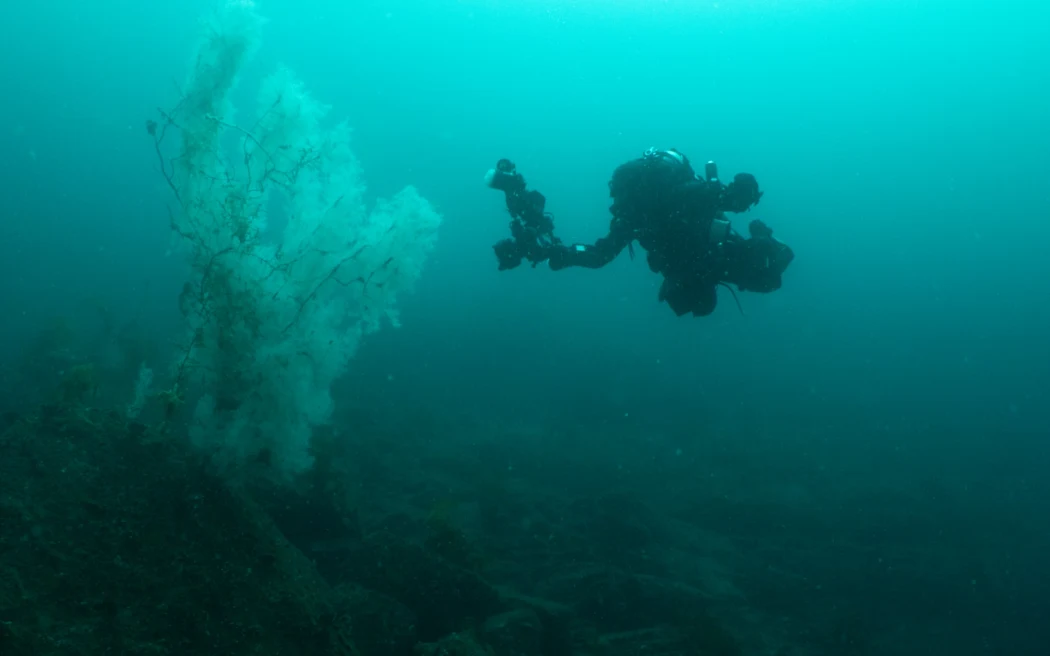
An enormous black coral thought to be between 300 and 400 years old has been found by Victoria University researchers in the waters of Fiordland national park, Aotearoa New Zealand.
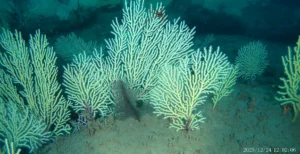
At four metres high and 4.5 metres wide, the coral (Antipathella fiordensis) is thought to be among the largest ever seen in Aotearoa New Zealand’s waters.
Ironically, the black coral is white in colour – only its skeleton is black. The species is listed as protected under the Wildlife Act.
Professor James Bell, a marine biologist at Te Herenga Waka Victoria University of Wellington described the coral as “absolutely huge.”
“It’s by far the largest black coral I’ve seen in my 25 years as a marine biologist. Most black corals we come across when we’re diving are small, with the bigger ones usually less than two to three meters tall so finding this one was really cool,” he said.
Large corals like these are vital breeding stock for the species, which is slow to grow.
Over the last four decades, the world has lost half of its coral reefs. The species is under increasing threat from rising ocean temperatures, ocean acidification, and destructive fishing practices.
Last year, a bottom trawling vessel pulled up six tonnes of protected coral in a single trawl – the worst reported case of coral destruction in Aotearoa New Zealand in over a decade.

In other news
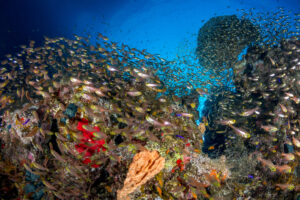
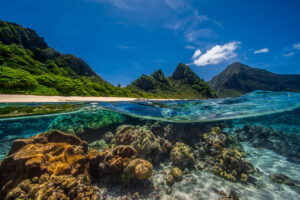
Despite a two-year bottom trawling suspension in the Tasman Sea between Aotearoa New Zealand and Australia in 2024, the destructive fishing method still occurs in other parts of the country
Activists like endurance swimmer Jono Ridler have decided the time has come for law-makers to put an end to bottom trawling. Earlier this month, he embarked on a 1,000-mile world-record attempt campaigns to the east coast of New Zealand’s North Island unassisted.
“Pinpointing where large corals occur means we can better protect them by letting people know where not to anchor their boats or drop pots,” Professor Bell added.
Richard Kinsey, senior biodiversity ranger at the Department of Conservation, was also on the dive when the coral was discovered.
“To see such a large coral looming out of the darkness was pretty special. I’ve been a marine ranger in Fiordland for nearly 20 years and it’s rare to see a coral so big. It’s easily the largest one I can remember seeing,” he said.
Victoria University researchers are working with the Department of Conservation and the Fiordland Marine Guardians to study and map the distribution of protected coral species in the fiords.
“We’d love to receive reports from anyone who knows of particularly large black corals that are greater than four metres so we can map their distribution and find out how common such large coral colonies are throughout Fiordland,” said Professor Bell.


"*" indicates required fields
