Illegal shark trade surfaces in Australia and New Zealand
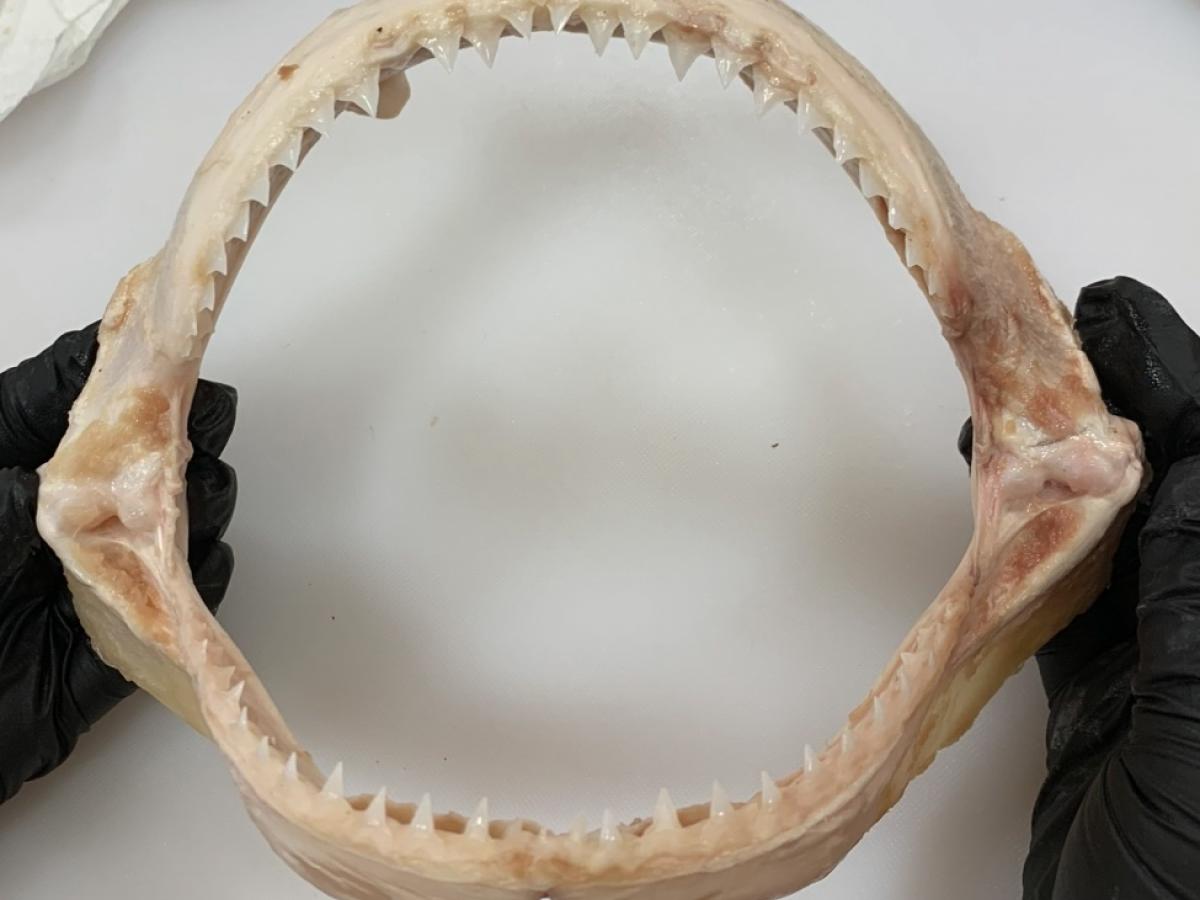
Evidence of illegal shark products entering both Australia and New Zealand, predominantly from Asia, has been brought to light in a new study identifying trophy items such as shark fins are being carried - largely - in personal luggage.

Evidence of illegal shark products entering both Australia and New Zealand, predominantly from Asia, has been brought to light this week in a new study identifying that trophy items like shark fins and jaws are being carried – largely – in personal luggage.
Researchers from the University of Adelaide’s School of Biological Sciences and Wildlife Crime Research Hub suggest that such items are likely transported for personal use, as trophies, or for resale or consumption. Findings have been published in Pacific Conservation Biology this week.
Most products seized upon entry to Australia appear to originate from Asia with the most seized commodity being shark fin products. Trophy items – such as preserved specimens – were more likely to originate from the United States.
“Over one third of chondrichthyan species – which includes sharks and shark-like rays – are currently threatened with extinction, with all threatened shark species also overfished,” said Josephine Lingard, a PhD candidate at the University of Adelaide. “Shark species are widely sought after for fins, and many used for shark fin soup – a delicacy and status symbol primarily consumed in Southeast Asia.”
While the global trade in shark meat has been steadily increasing since the early 2000s, the trade of illegally collected shark fins – where sharks are brought to land with fins still attached to the body – has been on the decrease.
Asia was also the most common region of origin for seizures in Aotearoa/New Zealand while Oceania followed closely, with Australia being the most dominant country of origin in both passenger and mail seizures.
“We did not expect Australia to be a dominant country of origin for seizures in Aotearoa/New Zealand, given Australia showed a decline in the number of seizures over time and Aotearoa’s seizures increased,” said Lingard. “However, we suspect the occurrences of seizures from Australia may be due to Aotearoa’s geographic position and international flight connections.”
In other news
It may also be the case – Lingard has suggested – that sharks are potentially being caught and products processed or purchased in Australia and taken to Aotearoa, or simply that Australia is listed as the country of origin but is only the stopover location for passengers travelling from elsewhere.
While inconsistent data on the specific species of shark used in intercepted products means the impact of these products on threatened and endangered species is unclear, the study did find that 14 out of the 18 seized species that were identified were listed on the Convention on International Trade in Endangered Species.
“The lack of species information across datasets we reviewed matches general shark fisheries data where species are often grouped using harmonised system codes, which impedes conservation management of species and makes the monitoring of threatened species increasingly difficult,” said Lingard.
“Increased efforts to investigate and record accurate species information across wildlife seizures will greatly assist understanding the patterns and drivers of the illegal wildlife trade, and help deliver real-world actions to help conserve threatened species.”


"*" indicates required fields
Printed editions
Current issue
Back issues

Enjoy so much more from Oceanographic Magazine by becoming a subscriber.
A range of subscription options are available.
