Into the marsh: protecting saltwater habitats from sea level rise
As sea levels rise, an innovative project in Essex's Blackwater Estuary is working with nature to protect one of Britain's most storied, and most threatened, landscapes

Despite being an island nation, we can all too often forget how much of our history was forged by the seas surrounding us. The ocean acted as a buffer to foreign invasion, their tides a timekeeper for our shoreline battles, and today, rising sea levels will reshape how we manage our landscape and the cities built upon it.
The stakes are tangible: in Cardiff, up to 15.1% of properties in low-lying areas could be submerged by 2030. On the other side of the UK, in Essex’s Blackwater Estuary, an innovative coastal adaptation plan is already underway; working with nature to protect landscapes crucial to climate change mitigation, rather than against it. It has even brought two retirees back into work in seabird conservation.
These retirees are in fact decommissioned Thames barges, which have been sunk in an Essex Estuary to create a new island habitat, and are set to help protect some of the UK’s most threatened seabirds.
The estuary has been the site of epic Viking battles, the inspiration for Susan Hill’s The Woman in Black, and the backdrop for the TV adaptation of The Essex Serpent, and it’s not hard to see why it has captured the imagination of storytellers throughout the ages.
In other news
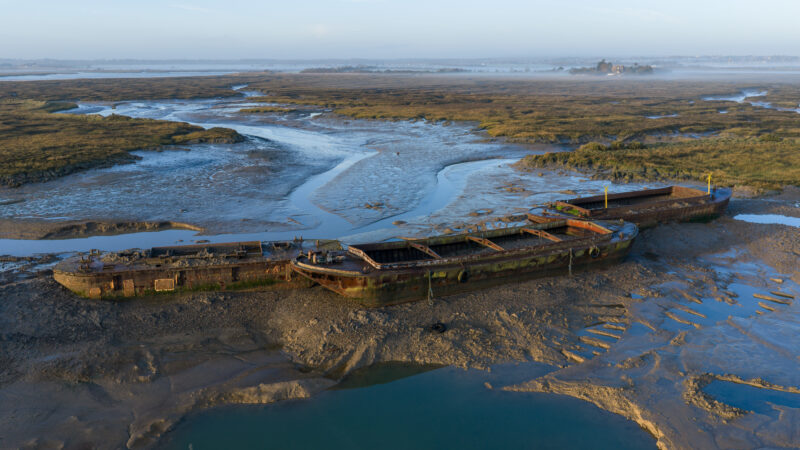
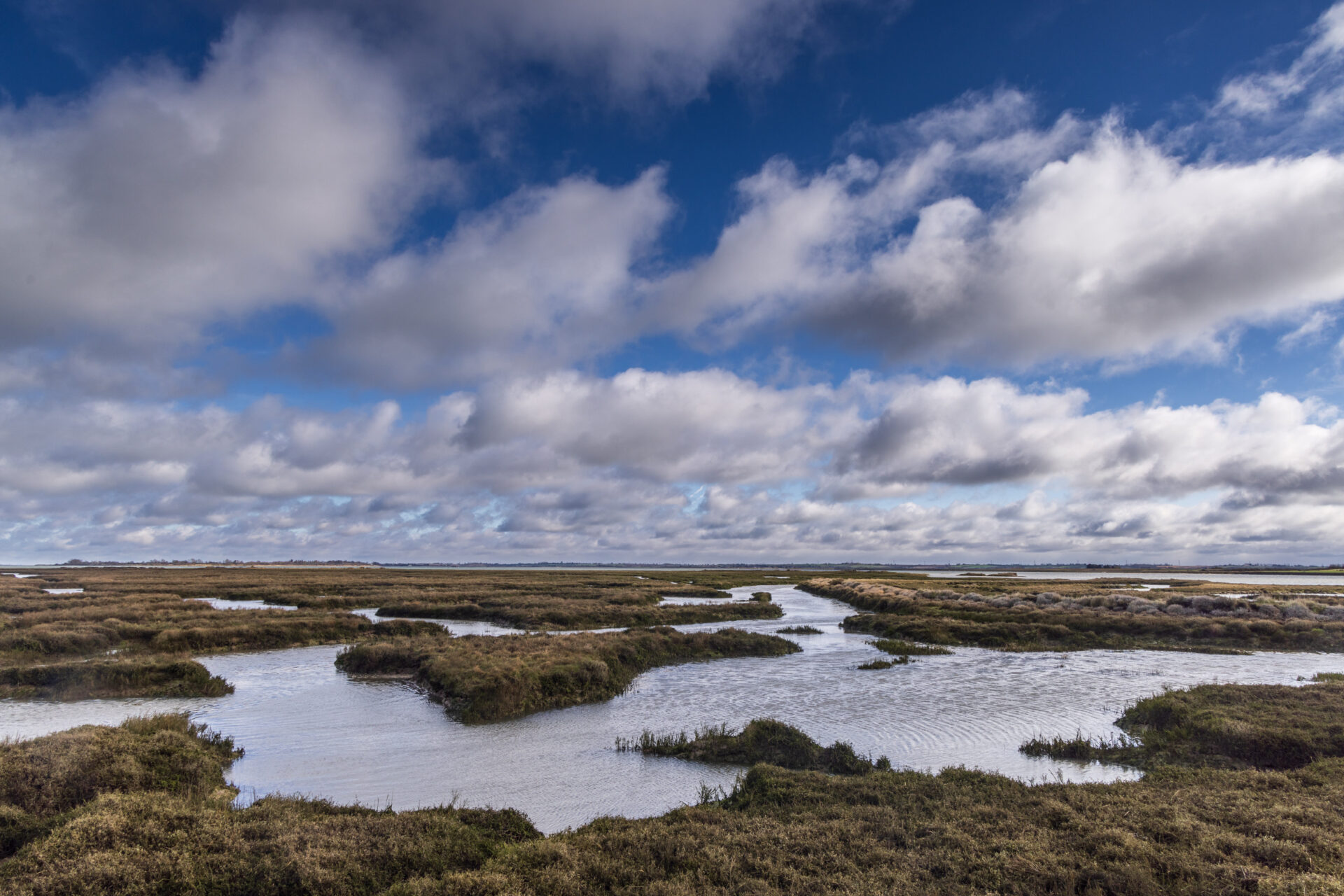
It is also a critical saltmarsh habitat and a nationally significant site for seabirds. The UK has lost roughly 85% of its saltmarsh since the mid-19th century, and these landscapes play an often overlooked role in supporting carbon capture and rich biodiversity that few other habitats can support: saltmarshes can capture carbon 40 to 50 times faster than terrestrial forests, making them one of the most effective carbon sinks on Earth.
So, last month on a foggy March morning, I spoke to the National Trust’s project manager Katy Gilchrist, and countryside manager Matt Wilson, to get a sense of the work being done here. The atmosphere of this secluded estuary island is hard to capture in words, so instead, I decided to let the place speak for itself. Listen to the audio feature from my visit to hear the intriguing and innovative work going on to mitigate the impact of sea-level rise, and the dampened echoes of the seabirds that are beginning to benefit from it.
Click here for more from the Oceanographic Newsroom


"*" indicates required fields
Printed editions
Current issue
Back issues


Enjoy so much more from Oceanographic Magazine by becoming a subscriber.
A range of subscription options are available.
