Scientists uncover hidden worlds in the Arctic deep
A Greenpeace science expedition to the Arctic deep sea has uncovered extraordinary ecosystems and potential new species along the Arctic Mid-Ocean Ridge, raising urgent calls for protection before deep-sea mining begins.
A recent Greenpeace expedition to the Arctic Ocean has uncovered vulnerable deep-sea habitats along the Arctic Mid-Ocean Ridge alongside the potential discovery of new species, prompting scientists to urge greater protection for one of the global ocean’s least understood environments.
Three thousand metres beneath the Arctic Ocean, in a realm of perpetual darkness and immense pressure, scientists have documented ecosystems never before seen by human eyes.
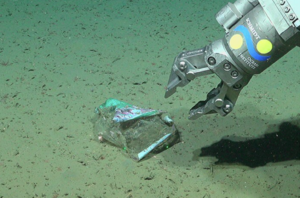
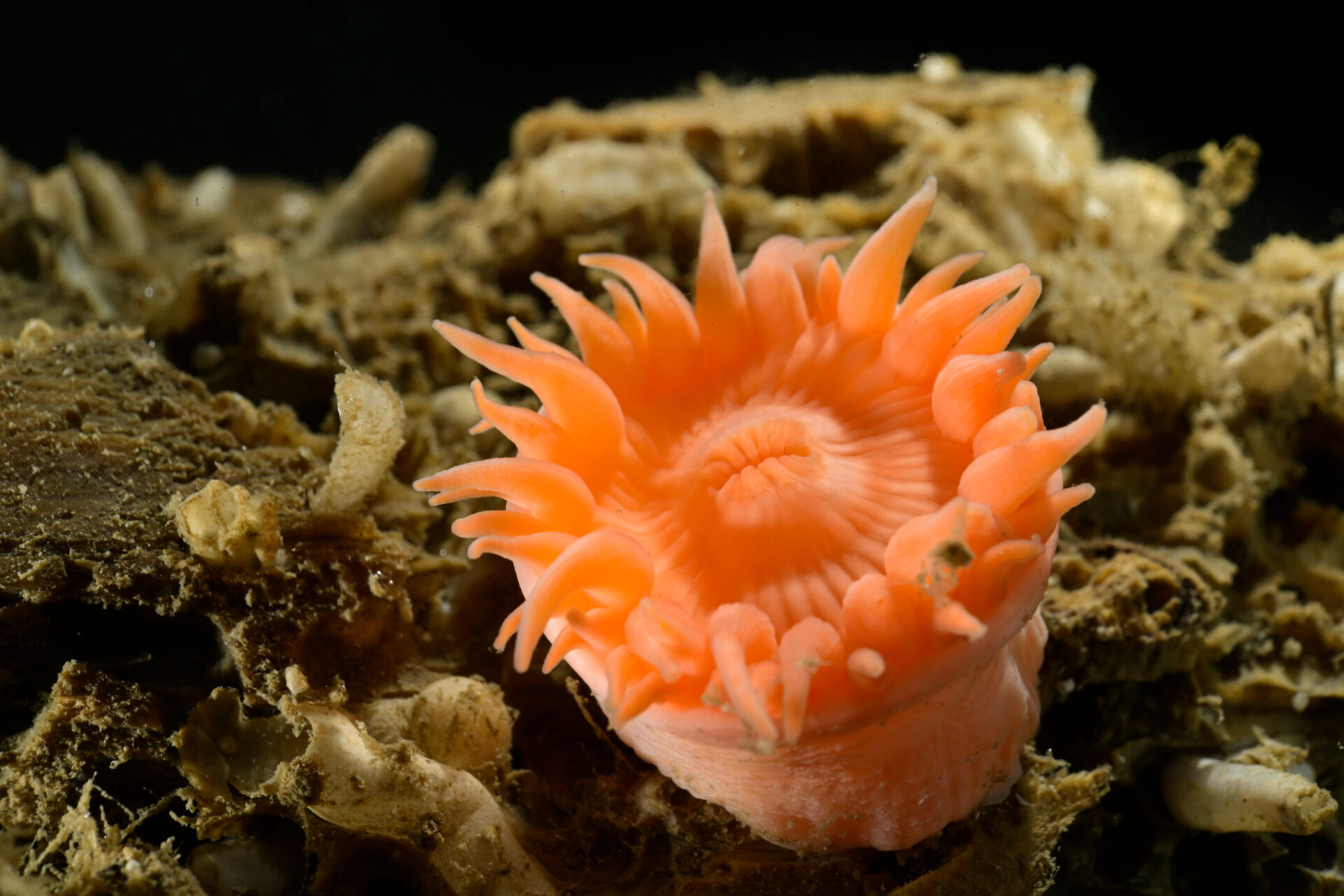
During a month-long expedition led by Greenpeace, researchers deployed a remotely operated vehicle (ROV) to explore seamounts and hydrothermal vent fields along the Arctic Mid-Ocean Ridge. The mission revealed thriving communities of deep-sea life, including bamboo coral forests, sponge gardens and a host of organisms that scientists are only beginning to understand.
For those watching from the surface, the discoveries unfolded in real time. More than 450,000 people tuned in via YouTube, TikTok and Instagram to follow the live-streamed dives as the expedition surveyed some of the most remote and least studied parts of the Arctic Ocean.
The expedition brought together an international team of deep-sea specialists and utilised an ROV capable of operating at depths of up to 3,000 metres. Their focus was a little-studied section of the Arctic Mid-Ocean Ridge, an underwater mountain chain known to host biologically rich habitats, but which remains poorly understood scientifically.
Researchers have said that the discoveries exceeded expectations.
“We barely understand how these communities function, which environmental factors influence their distribution, or how sensitive they are to human disturbances. Likewise, our discovery of several sponge species that are potentially new to science highlights how little is known about Arctic ecosystems, said Dr Julio A. Diaz, deep-sea researchers, Museum of Evolution at Uppsala University. “Through the results of this expedition, we expect to advance scientific knowledge of these key deep-sea ecosystems and contribute to their improved management and conservation.”
Among more than 400 sponge samples collected during the expedition, scientists believe at least three may represent species previously unknown to science. Further laboratory analysis could increase that number.
According to deep-sea sponge specialist Dr. Paco Cárdenas, such discoveries have implications that extend well beyond cataloguing biodiversity.
“Sponges have been around for more than 500 million years, and have evolved their own medicines to repel predators and pathogens. So the chemical compounds of the deep-sea species we find here could also hold the key to unlock cures for current and future emerging diseases. If these ecosystems disappear we risk losing them forever,” said Dr Cárdenas.

In other news
The expedition also yielded significant findings among amphipods, small crustaceans that are among the most abundant animals inhabiting the deep ocean.
Dr. Anne-Nina Lörz of the Senckenberg Society for Nature Research said the team repeatedly encountered habitats and species that challenged expectations.
“These ecosystems keep on surprising us. We have filmed and gathered samples from an unnamed seamount never explored by humans before. Numerous different species and ecosystems — such as bamboo coral and sponge gardens – were filmed in high resolution for the first time, giving details much sought for by the global research community,” she said.
“For the first time we could see how these colourful animals live and interact, and the coming analysis will allow an insight in the connectivity and distribution of these amazing critters. We most likely already found four new species of amphipods, which we will describe and name in the upcoming months.”
The discoveries arrive amid ongoing debate over the future of the Arctic seabed.
In 2024, Norway opened parts of the surveyed region to potential deep-sea mining activities, a move that drew criticism from scientists, environmental groups, fishing communities and political opponents. While the decision has since been paused until at least 2029, researchers involved in the expedition argue that the new findings reinforce the need for long-term protection.
“The deep sea mining industry has not yet started to tear up the seabed, and we therefore have the opportunity to stop an environmental disaster before it happens. We will use the data and findings from the expedition to shine a light on these extraordinary ecosystems and push policymakers to establish marine protected areas, and support a moratorium on deep sea mining,” said Dr. Sandra Schöttner, Chief Scientist, Greenpeace International
For many researchers, the concern stems from how little is known about the deep sea and how slowly these ecosystems recover from disturbance. Many of the organisms inhabiting the Arctic seabed grow over decades or even centuries in stable, cold-water conditions.
Beyond species discovery, one of the expedition’s most significant scientific objectives was investigating how populations are connected across multiple seamounts along the Arctic Mid-Ocean Ridge.
Understanding this connectivity is considered fundamental to the design of effective marine protected areas and long-term conservation strategies.
The findings from the expedition may also have direct relevance for Norwegian marine policy. Several of the areas surveyed could ultimately be considered for protection under existing ocean governance frameworks.
“This expedition has surveyed and visualised vulnerable ecosystems that could be up for protection under the Norwegian ocean law. While scientific publications by their nature take a long time to come out, results from this, and previous expeditions to this area show that these areas are both vulnerable and biologically valuable. We will publish our results of new species and descriptions of the ecosystems together with our research colleagues. I hope the information about these ecosystems will then make its way into the Norwegian management system,” said Dr Anne Helen Tandberg from the University of Bergen.
Greenpeace is now calling for a global moratorium on deep-sea mining and for at least 30 per cent of the world’s ocean to be protected by 2030. The scientific evidence gathered during the expedition is expected to contribute to those efforts, while providing researchers with years of future analysis.


"*" indicates required fields