Expedition maps biodiversity of Indonesia’s remote seamounts
The expedition has gathered critical baseline data on remote tropical seamounts and study how underwater ecosystems impact coastal waters.
A team of scientists has successfully completed a three-week deep-sea expedition to Indonesia’s most remote tropical seamounts, gathering critical baseline data on the biodiversity of these largely uncharted underwater mountains.
The team of researchers from Indonesian institutions and the University of Rhode Island (URI) set out on a three-week expedition in January 2026, to gather data from some of Indonesia’s most remote tropical seamounts.
Seamounts are essentially underwater mountains rising from the ocean floor. Some of these seamounts act as amazing biodiversity hotspots, as their topography can alter ocean circulation and increase productivity in the area. Puzzlingly, others are comparatively sparse
Indonesia is home to some of the world’s most extensive seamount chains, but basic biodiversity data in the region remains scarce.
The expedition aimed to fill this research gap, and it has been born out of a collaborative effort between Indonesian institutions and the University of Rhode Island, organised by Indonesian National Research and Innovation Agency (BRIN).
The team’s research specifically examines how animal communities change from a seamount’s summit to its deeper slopes and whether those differences track with declining food availability.
The research team included Drajad Seto, a URI postdoctoral researcher in Environment and Life Sciences; URI Graduate School of Oceanography Associate Professor Roxanne Beinart; URI professor and Vice President for Research and Economic Development Bethany Jenkins, and University Gadjah Mada faculty Noer Kasanah.

In other news
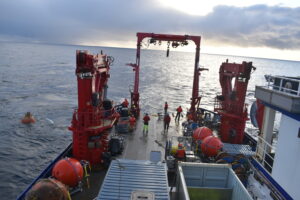
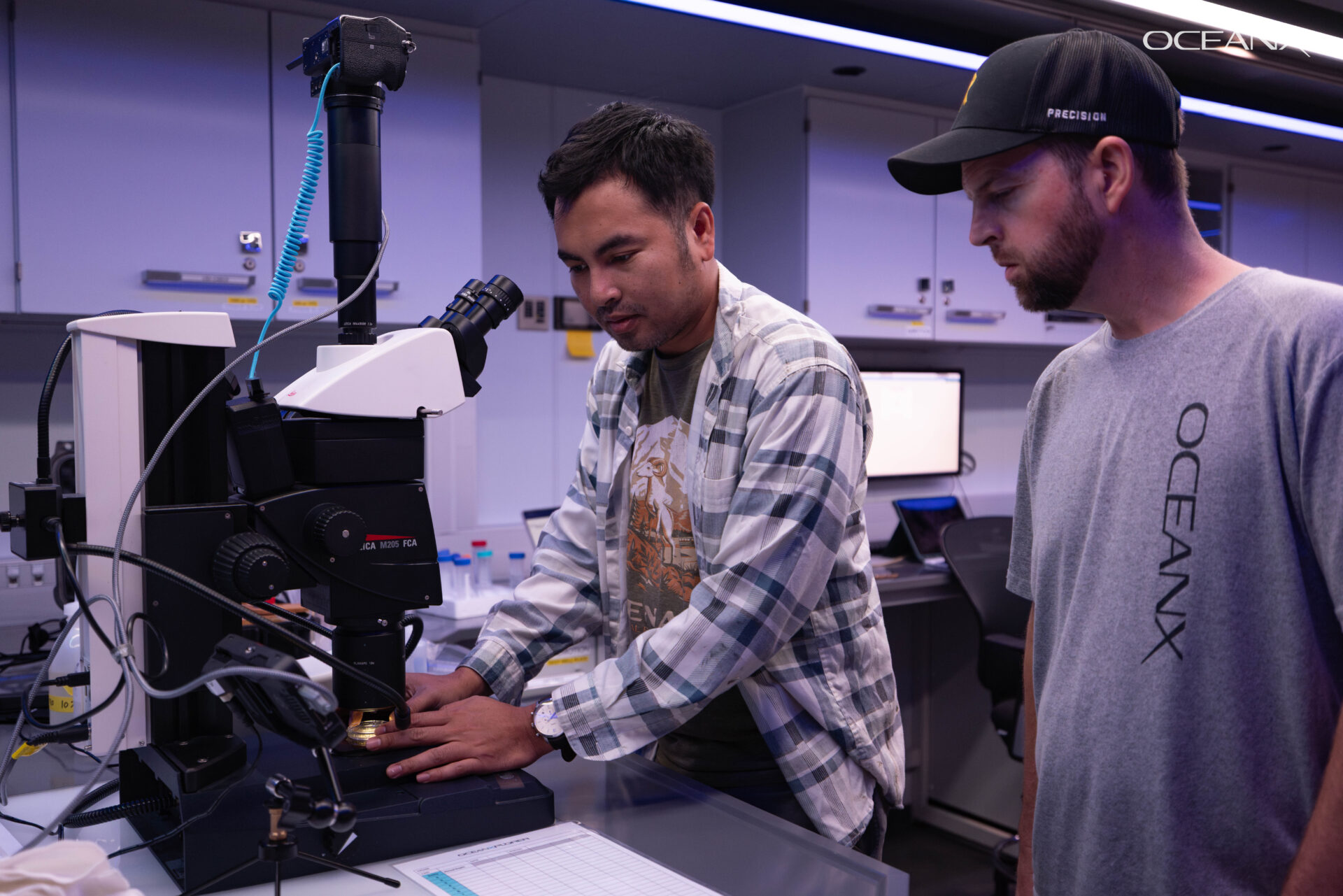
Using remotely operated vehicles, the team gathered biological samples across multiple depths. This will help them build a picture of the biodiversity in the region using innovative eDNA sampling (tracking traces of animals in the water) and traditional DNA barcoding methods.
In addition to deep-sea sampling, the expedition documented plankton communities in surface waters above the seamounts. Their findings suggest that the presence of certain phytoplankton are correlated with harmful algal blooms: these seamounts could be serving as reservoirs that seed and sustain these blooms before they reach coastal waters. The team plans to investigate this further.
For Seto, who also completed a submersible dive to approximately 950 meters at a seamount summit during the mission, the expedition marked a scientific and personal milestone.
“I learned a tremendous amount from the Indonesian science team and the OceanX crew,” Seto said. “This mission is helping build new baseline knowledge of tropical seamount ecosystems, and that’s essential for understanding and protecting deep-sea biodiversity in Indonesia.”


"*" indicates required fields
Printed editions
Current issue
Back issues



Enjoy so much more from Oceanographic Magazine by becoming a subscriber.
A range of subscription options are available.
