Landmark court ruling exposes tuna supply chain 'lies'
Retailers are being urged to stop selling tuna caught using unsustainable and unethical fishing methods, including the heavily-criticised use of floating fishing devices that capture juvenile fish before they have had the opportunity to breed.

Retailers are once again being urged to stop selling tuna caught using unsustainable and unethical fishing methods, including the heavily-criticised use of floating fishing devices that capture juvenile fish before they have had the opportunity to breed.
The argument has gained fresh momentum this week, following a landmark ruling in which the General Court of the European Court of Justice sided with environmental NGOs demanding the European Commission review its recent decision to block a crucial new measure aimed at protecting tuna stocks in the Indian Ocean.
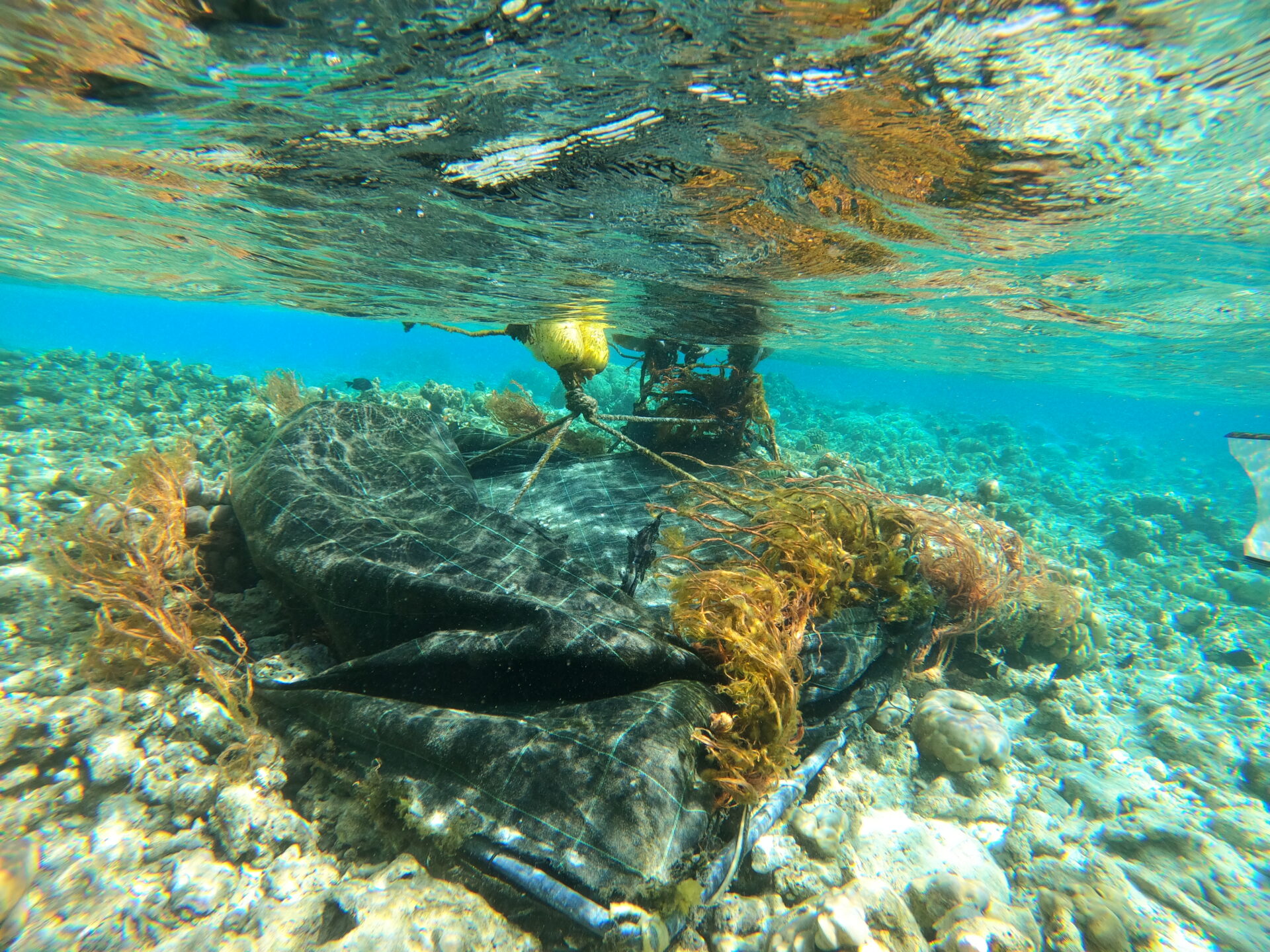
In February 2025, the EU moved to block a number of fisheries management measures aimed at protecting those tuna stocks from the harmful impacts of drifting fish aggregating devices (FADs) – floating fishing devices that are used to draw large schools of tuna.
A recent study carried out by Dalhousie University estimates that 1,41 million drifting FADs were released between 2007 and 2021, drifting across at least 134 million square kilometres. This works out to be 37% of the Earth’s ocean surface. Among the criticisms levelled at FADs is its indiscriminate practice of capturing juvenile fish before they have had the chance breed.
The use of FADs is a major contribution to overfishing and has been linked to bycatch, ghost-fishing, plastic pollution, and the decline of tropical tuna stocks in the Indian Ocean.
In response, earlier this year the environmental NGOs Blue Marine Foundation and Bloom Association challenged the EU’s decision.
The landmark ruling means the European Commission will now have to review its decision to block crucial management measures aimed at protecting those tuna stocks in the Indian Ocean from the impacts of this destructive fishing method.
Priyal Bunwaree, senior legal counsel at Blue Marine Foundation, said: “We have succeeded in ensuring that a decision which impacts the health of distant waters can no longer escape legal scrutiny. This judgement has implications that reach well beyond marine protection; it marks a significant step forward for access to justice in environmental matters.”
In other news




It’s also a decision that has given new momentum to a Blue Marine Foundation campaign to stop UK supermarkets selling canned tuna sourced through unsustainable fishing methods.
In 2023, Blue exposed the widespread use of controversial drifting FADs in supermarket supply chains in its initial report, The UK’s Tuna Blind Spot. Today, most of the UK’s top ten retailers still sell tuna caught using this method.
Blue Marine’s research found that, while many supermarkets have banned drifting FAD-caught canned tuna in their own-label ranges, they continue to sell brand-name canned tuna caught using the same destructive methods in 2025. Despite public commitments to sustainable seafood policies, most were selling brand-named tuna including John West (owned by Thai Union) and Princes (owned by the Mitsubishi Corporation), which source tuna from fleets that use drifting FADs in the Indian Ocean.
The blindspot comes from the significant lack of transparency in the supply chain. In 2021, a spokesperson for J Sainsbury plc told The Guardian that ‘none of its tuna is caught using FADs’. However, Blue Marine research uncovered evidence that the retailer continues to sell brand-name canned tuna caught using these devices in 2025.
In 2023, several other retailers, including Waitrose and Tesco, referenced the Marine Stewardship Council in their own-label sourcing policy. However, it has been discovered that MSC certification is frequently awarded to tuna fisheries that use drifting FADs, despite objections from environmental NGOs.
A report from the environmental group, Bloom Association found that more than half of the tuna certified as ‘sustainable’ by the MSC comes from fisheries that rely on FADs.
“UK supermarkets have been well aware of the harm caused by drifting FADs for years, evidenced by the fact that many have made public commitments to ban them in their own-label tuna,” said Jess Rattle, head of investigations at Blue Marine Foundation. “Yet, despite these promises they continue to sell brand-name tuna caught using the same destructive methods. UK consumers are being misled by supermarket sustainability claims.”
In the UK, Marks and Spencer emerged as the only supermarket which ensures all its canned tuna is sourced without using drifting FADs.
To further the argument, a recent survey conducted by Blue Marine Foundation found that three in five people in the UK would not buy fish if they knew it was sourced unsustainably. The leading barriers preventing people from choosing responsibly sourced seafood are cost (48%), a lack of information (39%), and difficulty in identifying what is sustainable (31%).
“Until supermarkets take action, British consumers continue to unknowingly buy tuna caught using unsustainable and harmful fishing practices,” said Rattle.


"*" indicates required fields
Printed editions
Current issue
Back issues
Enjoy so much more from Oceanographic Magazine by becoming a subscriber.
A range of subscription options are available.
