Locally-led seagrass conservation projects launched across Africa
The projects aim to create a ‘living blue belt’ which will restore depleted habitats support the blue economy and maintain globally significant African ecosystems, organisations say
Timed aptly with world seagrass day, fourteen new locally-led conservation projects in Africa have been announced by the International Union for Conservation of Nature (IUCN) as part of the Great Blue Wall initiative.
Seagrasses cover just 0.1% of the ocean floor, yet they are responsible for storing nearly 18% of the ocean’s carbon, and they provide crucial food and shelter to thousands of species of seahorses, turtles and fish – sustaining some of the world’s largest fisheries.
They have been on the decline since the 1930s, with the most recent census estimating that 7% of this key marine habitat is being lost worldwide per year, according to the United Nations.
Combined pressures of coastal development, pollution, climate change, dredging and unregulated fishing and boating activities are key drivers in this decline.
The new initiative wants to counter this degradation and create what they term a ‘living blue belt’ between Comoros, Kenya, Madagascar, Mozambique and Tanzania – connecting these nations under a broader ‘Great Blue Wall’ initiative
Direct, project-specific funds have been granted to local organisations in these nations. The cohort spans community-based organisations, civil society groups and research institutions who will implement locally led solutions to protect and restore seagrass ecosystems.
This includes initiatives like expanding Locally Managed Marine Areas (LMMAs), developing baselines for seagrass restoration, and identifying regenerative blue economy solutions – including regenerative small scale fisheries and dugong-anchored blue tourism.

In other news

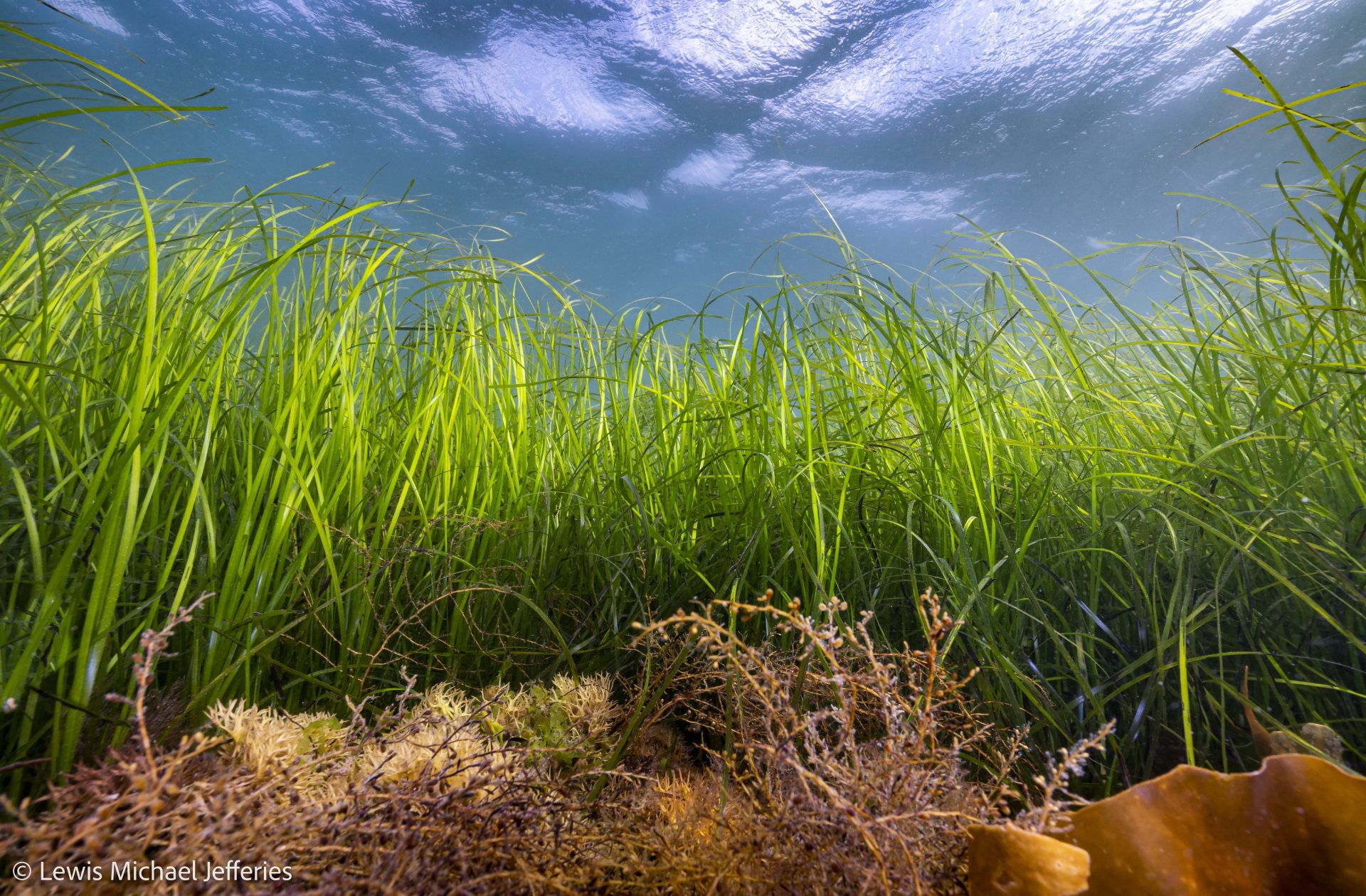
Seagrasses also play an important role in safeguarding coastal communities by reducing wave energy, providing protection from the increasing risk of floods and storms. They also buffer ocean acidification, contributing to the resilience of the most vulnerable ecosystems and species, like coral reefs.
“Increasingly, we are becoming aware of the global significance of Africa’s ecosystems, and seagrass is no exception. As it underpins a regenerative blue economy, through its nursery functions and blue tourism contributions, investing in community leadership and applied knowledge becomes more urgent,” said Barkha Mossae, Regenerative Blue Economy Manager.
Among the organisations set to receive grants are: Coastal & Marine Resource Development in Kenya; Conservation of Nature for Survival and Sustainable Ocean Alliance in Tanzania; and Bureau d’Etudes Environnementales des Comores, in Comoros; APARCO in Mozambique.
“Under the Great Blue Wall, seagrass is increasingly recognised as a strategic asset for climate action and resilient coastal development. These grants demonstrate how global partnerships and regional leadership can deliver concrete impact at local level,” said Denise Nicolau, GBW Blue Nature Pillar Lead, and ReSea Project Manager.


"*" indicates required fields
Printed editions
Current issue
Back issues
Enjoy so much more from Oceanographic Magazine by becoming a subscriber.
A range of subscription options are available.
