Sussex waters win landmark protection as trawling ban takes effect off Beachy Head
A new bylaw shielding Sussex coast from bottom trawling means nearly a third of Sussex's inshore waters are now protected, safeguarding rare chalk reefs, seahorses and centuries-old marine habitats
A new law banning bottom trawling and scalloping in a Marine Conservation Zone off the coast of Sussex has been approved.
This means that a zone of 101 square miles (164 square kilometres) off Beachy Head will be protected from towing fishing gear. Low impact methods like rod and line fishing, nets and pots will all still continue to be used in the area.
Bottom trawling is widely considered a destructive method of fishing: the heavy gear it uses indiscriminately. The practice towing will still be allowed across 28 square kilometres where those habitats are not present.
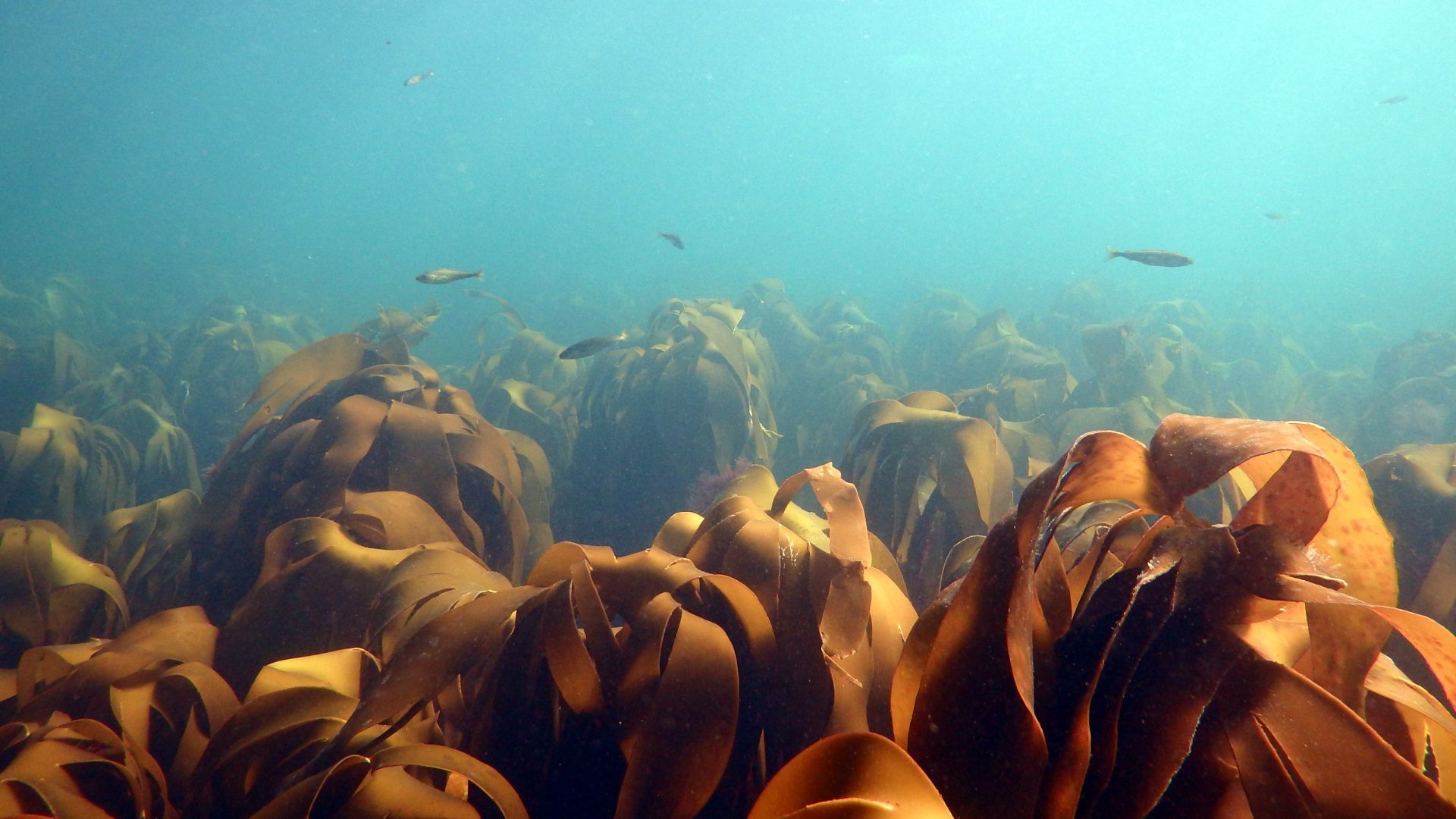
Beachy head is home to a globally rare, biodiversity-rich chalk reefs and sandstone reef ecosystem. It is home to short-snouted seahorses, native oysters, ross worms, blue mussels, velvet swimming crabs, and colourful wrasse/
In March 2021, a bylaw was implemented in a coastal area between Shoreham-by-Sea and Selsey which prohibited trawling in a 117 square mile (302 square kilometre).
This new law now sees almost 30% of the inshore waters in Sussex protected from trawling.

In other news





Robert Pearson, Chief Fisheries and Conservation Officer at Sussex IFCA, said: “Whilst developing this Byelaw, the Authority was conscious of striking the delicate balance between ensuring the preservation and enhancement of our valuable marine habitats, whilst minimising impacts on our small scale inshore fishers.”
The IFCA have said that their plan focuses on restrictions where they are most needed – reducing interactions between fishing activity and vulnerable habitats and helping to meet conservation goals while minimising disruption to local inshore fisheries.
Dr Lewis White, Seascape Research Lead for Sussex Bay, said: “Beachy Head East represents a real opportunity to show how effective, evidence-led management can restore marine ecosystems while continuing to support sustainable fishing communities.”
“Protecting these chalk reef habitats is critical: once lost, they cannot be replaced,” he added.


"*" indicates required fields
Printed editions
Current issue
Back issues


Enjoy so much more from Oceanographic Magazine by becoming a subscriber.
A range of subscription options are available.
