New East Africa initiative targets coral reef restoration in Kenya
Canon and Oceans Alive launch a Kenya-based initiative to restore threatened coral reefs, combining advanced imaging and science-led conservation to protect biodiversity and support community-driven recovery along East Africa’s coastline.
Coral reefs occupy less than one percent of the ocean floor, yet support roughly a quarter of all marine life on Earth. Over the past three decades, more than half of the world’s reefs have been lost to rising sea temperatures, pollution, overfishing, sedimentation, and disease. Now, a new partnership between Canon Central and North Africa and Kenya’s Oceans Alive Foundation is bringing science-led restoration and advanced imaging technology to one of East Africa’s most ecologically significant – and most threatened – coastlines.
The collaboration forms the East Africa chapter of Canon’s World Unseen 2.0 initiative, which has previously supported reef restoration efforts in the Seychelles through a partnership with Nature Seychelles and Coral Spawning International, establishing the first coral breeding facility in the Western Indian Ocean.
This new Kenya chapter now extends that work southward, focusing on the coral ecosystems of the North Coast and the community of Kuruwitu, where Oceans Alive has been leading reef recovery efforts since 2018.
Founded in 2018 and rooted in the Kuruwitu community, Oceans Alive has restored multiple reef patches, reintroduced thousands of coral fragments, and worked with local Beach Management Units on sustainable fisheries management. The new partnership will scale that work, with Canon sponsoring nursery tables and reef infrastructure to support the propagation and outplanting of thousands more coral fragments. Scientific monitoring and transparent impact reporting will run alongside the restoration effort.
“We started in Kuruwitu with a bold belief – that communities are the true guardians of the sea. What began as a local effort to protect a dying reef has become a model for ocean recovery driven by the people who depend on it most,” said Des Bowden, Founder of Oceans Alive Foundation.

In other news
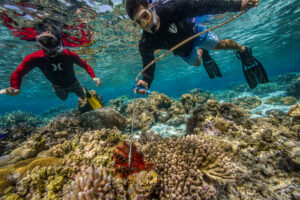

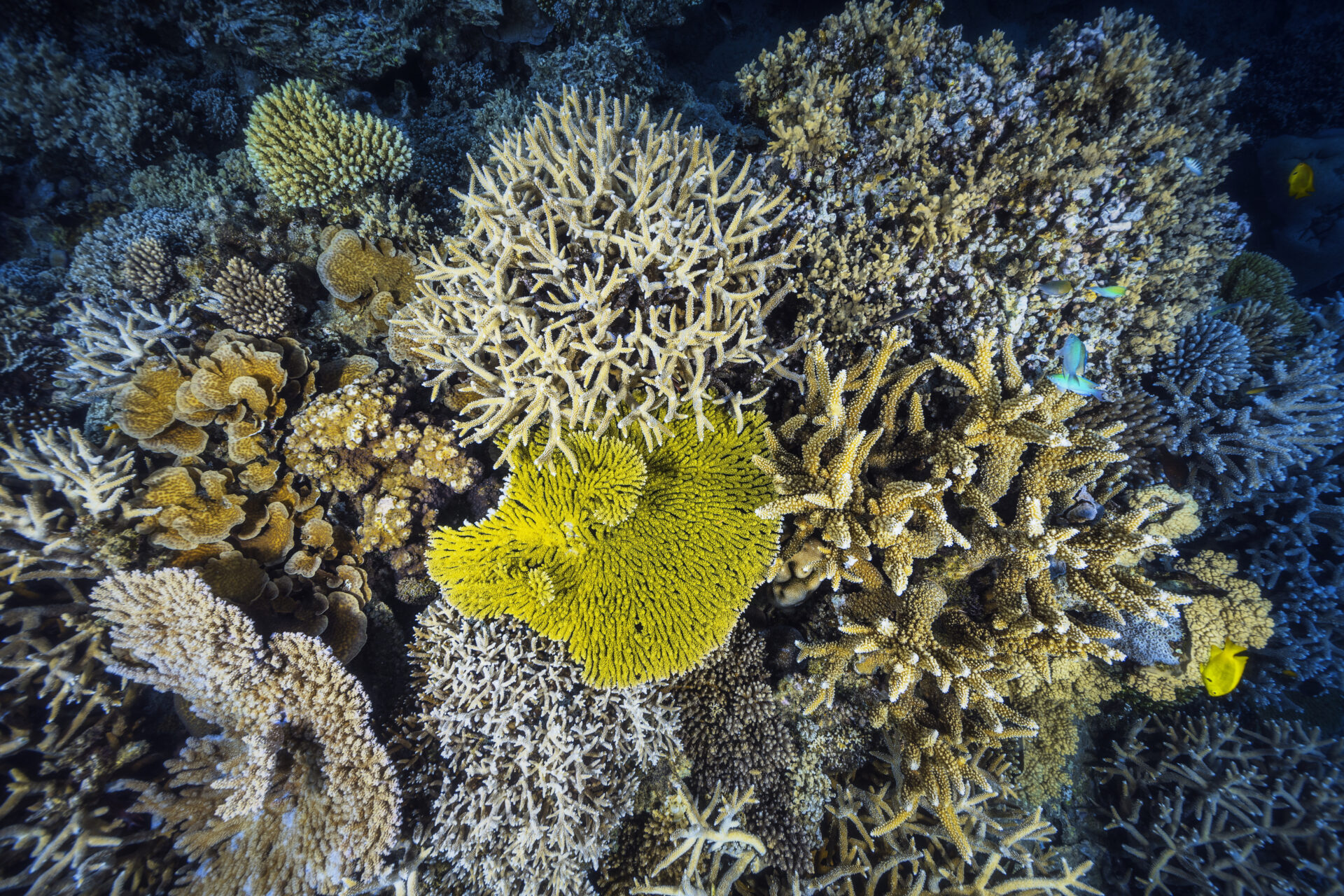
Canon will equip Oceans Alive with underwater camera systems to document coral growth, bleaching events, fish recruitment, and reef structure. The imagery will provide scientists with data on coral size, survival rates, and ecosystem recovery over time, and will also be used to produce educational materials for schools and community groups.
Bowden continued: “Kenya’s reefs are rich, fragile, and often unseen. Through this valuable collaboration with Canon, we are making the invisible visible — documenting life above and beneath the waves with scientific accuracy and cultural respect. When people truly see the ocean, they value it. When they value it, they protect it.”
A series of underwater photography workshops, community conservation sessions, and youth-led media projects will also launch through Canon Academy. The aim is to build local capacity for reef monitoring and documentation, enabling community members to lead ongoing conservation work independently.
“The World Unseen in Kenya reflects our commitment to practical, science-based conservation that empowers communities. Paired with Oceans Alive’s local leadership, Canon’s imaging expertise will enable precise monitoring, credible storytelling, and stronger reef recovery efforts,” said Somesh Adukia, Managing Director of Canon Central and North Africa.
The East Africa chapter follows Canon’s earlier partnership with Nature Seychelles and Coral Spawning International, which established the first coral breeding facility in the Western Indian Ocean.


"*" indicates required fields
Printed editions
Current issue
Back issues
Enjoy so much more from Oceanographic Magazine by becoming a subscriber.
A range of subscription options are available.