Lower PFAs in pilot whales shows effectiveness of regulations
The study analysed tissue samples from 1986 and 2023, and found a significant reduction in PFAS chemicals. Researchers say the findings show the efficacy of regulations, and call for new legislation to limit the growing use of new PFAS.

Levels of ‘forever chemicals’ in North Atlantic pilot whales have declined by more than 60% due to greater regulations, according to new research from Harvard.
PFAs chemicals are ubiquitous in modern life. First produced at the end of World War II, they are found in everything from furniture and cosmetics, to food packaging, non-stick pans and clothing. They take thousands of years to degrade naturally, and have infiltrated into our water, soil and food – making them a major concern for human and ecological health.
The damage of PFAs chemicals have been well-documented. From disrupting seabirds’ energy production and reproductive success, to weakening immunity in sea otters, and being associated with serious health implications, like liver and kidney disease in humans.
Industry shifts and international regulations meant that PFAs chemicals began to be phased out in the early 2000s. Harvard’s study has shown that since this phaseout, North Atlantic pilot whales have more than 60% lower concentrations of these chemicals in their bodies.
The study analysed tissue samples from pilot whales collected between 1986 and 2023. Researchers measured bulk organofluorine, which captures the fluorine in most PFAS compounds. They used these measurements as a proxy for total concentrations of PFAS, including newer types of PFAS that are harder to identify on their own.
As apex predators, the whales are a good indicator of overall levels of these pollutants in the ocean. The 60% reduction is therefore encouraging, and highlights the benefits of regulation of forever chemicals.

In other news





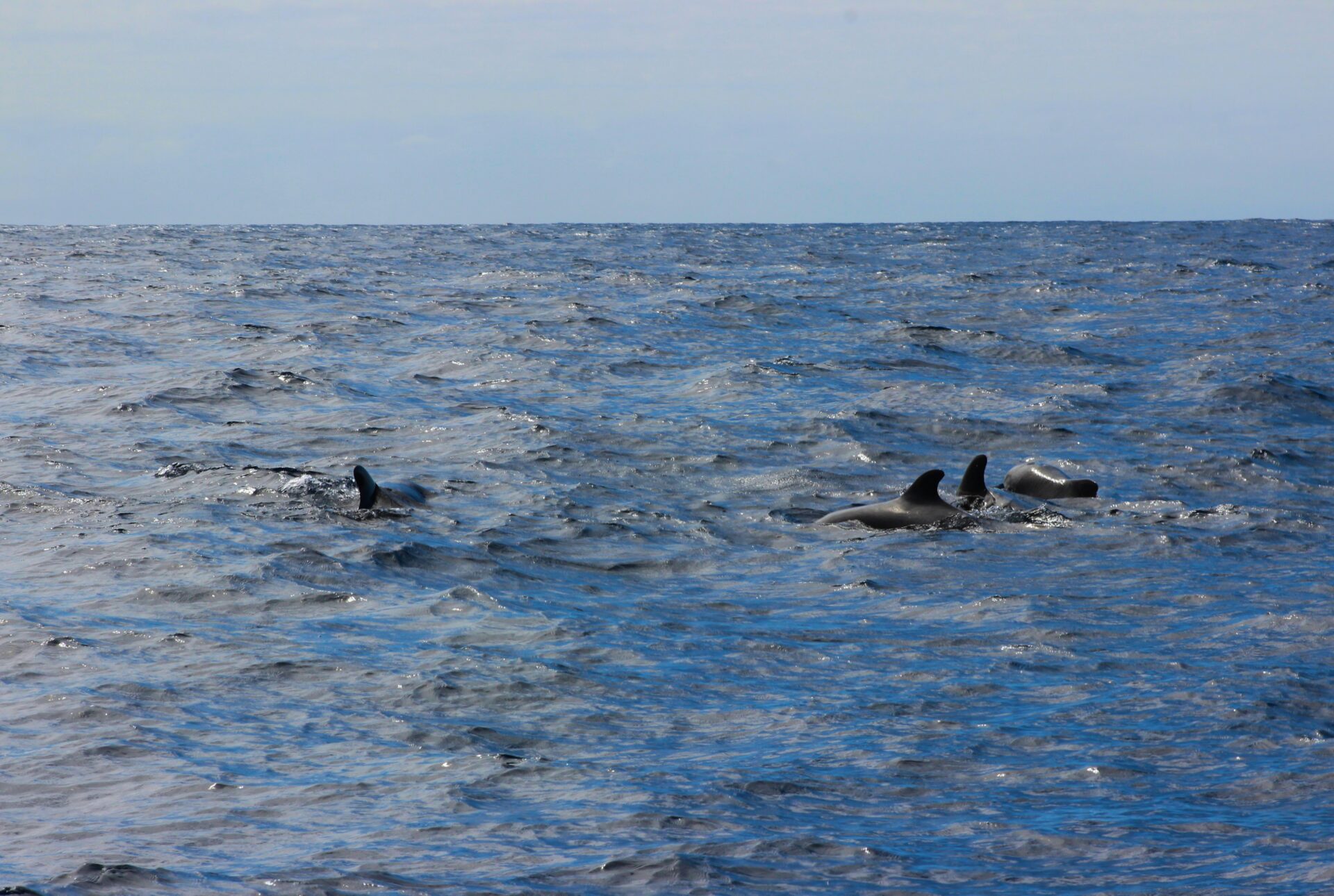
Surprisingly, this reduction in levels of PFAs in marine life comes at a time when the global production of new PFAs is on the rise. Suggesting that newer PFAs behave differently from legacy ones.
Senior author Elsie Sunderland, Professor of Environmental Chemistry, has likened the PFAS problem to whack a mole – once researchers understand the exposure and implications of one chemical, a new one is developed.
The study contrasts with trends in human blood samples, where total organofluorine levels have remained stable or even increased despite declining concentrations of legacy PFAS, suggesting newer replacement PFAS may be accumulating primarily on land.
Sunderland added: “While our results are good news for ocean contamination, it suggests newer PFAS may behave differently from the legacy ones. It underscores the need to place stronger regulations on ongoing PFAS production to mitigate future impacts.”
Encouragingly, the news coincides with new plans and measures to tackle the presence of ‘forever chemicals’ in the EU, particularly in the UK and France.
Yesterday, the UK government announced their first ever plan to tackle ‘forever chemicals’. They will assess the extent of ‘forever chemicals’ in England’s estuaries and coastal waters for the first time, in order to build a clearer picture of the risk these habitats face – and as the evidential basis for future regulatory action.
They are also looking to develop safer alternatives to everyday items like period pads and water-repellent clothing and footwear.
France has prohibited the sale, production, or import of any product for which an alternative to PFAS already exists. This includes products like cosmetics, clothing, and even ski wax.
The bill will also require French authorities to regularly test drinking water for all kinds of PFAS and take steps towards hitting polluters emitting these chemicals into the environment with a scale of fines.
Jennifer Sun, the lead author of Harvard’s study said: “Production phase-outs, which were initially voluntary and later driven by regulation, have been quite effective at reducing concentrations of these chemicals in near-source communities as well as more remote ecosystems, which I think is very positive and important to emphasise.”


"*" indicates required fields
Printed editions
Current issue
Back issues
Enjoy so much more from Oceanographic Magazine by becoming a subscriber.
A range of subscription options are available.
