US court upholds rule to save sea turtles from shrimp trawlers
A federal appeals court has upheld a rule requiring turtle excluder devices on larger skimmer trawl shrimp boats, rejecting an industry challenge and preserving protections conservation groups say prevent thousands of sea turtle deaths.
A federal appeals court has affirmed a rule requiring some shrimp trawling vessels to fit turtle excluder devices (TEDs) – hatches that are built into trawl nets enabling sea turtles to escape before they drown – rejecting an industry challenge to protections that conservation groups have spent decades fighting for.
Under the 2019 ruling, skimmer trawl shrimp vessels measuring 40 feet or longer have been required to fit TEDs. The fifth US Circuit Court of Appeals this week found that the National Marine Fisheries Service had provided a rational, evidence-based explanation for the rule.
The Court pointed towards federal observer data and post-interaction mortality studies showing that skimmer trawls capture and kill imperiled sea turtles.
It also cited widespread noncompliance with the tow-time restrictions the rule replaced – these being limits on how long trawlers can tow their nets before checking for captured turtles – noting that in some years, less than 35% of observed tows complied with those limits.
The rejected challenge was brought by the Louisiana Shrimp Association and several individual shrimpers, who argued the rule was arbitrary and capricious under the Administrative Procedure Act. The Center for Biological Diversity, Defenders of Wildlife and Turtle Island Restoration Network – represented by Earthjustice – had filed a brief in support of the TED requirements.
TEDs have been required, and successfully used, on many shrimping vessels for nearly 40 years to help sea turtles escape when caught in trawler nets, Skimmer trawl vessels, however, operated for decades under an exemption that conservation groups say allowed thousands of preventable sea turtle deaths in the Gulf of Mexico and along the southeastern coast.

In other news
“We are delighted by this current ruling that will reduce the number of sea turtles from drowning in large shrimp nets, but we will continue to advocate for TEDs to be required in all skimmer trawls to prevent the continuing cruel and unnecessary drowning of these gentle endangered turtles,” said Joanie Steinhaus, ocean director for Turtle Island Restoration Network.
“It’s a relief that the court didn’t take the bait and dismantle protections that are already far weaker than what’s needed to secure a future for our precious sea turtles,” said Elise Bennett, Florida and Caribbean director at the Center for Biological Diversity.
“We won’t rest easy until these common sense, lifesaving protections prevent senseless deaths of turtles in all skimmer trawls.”
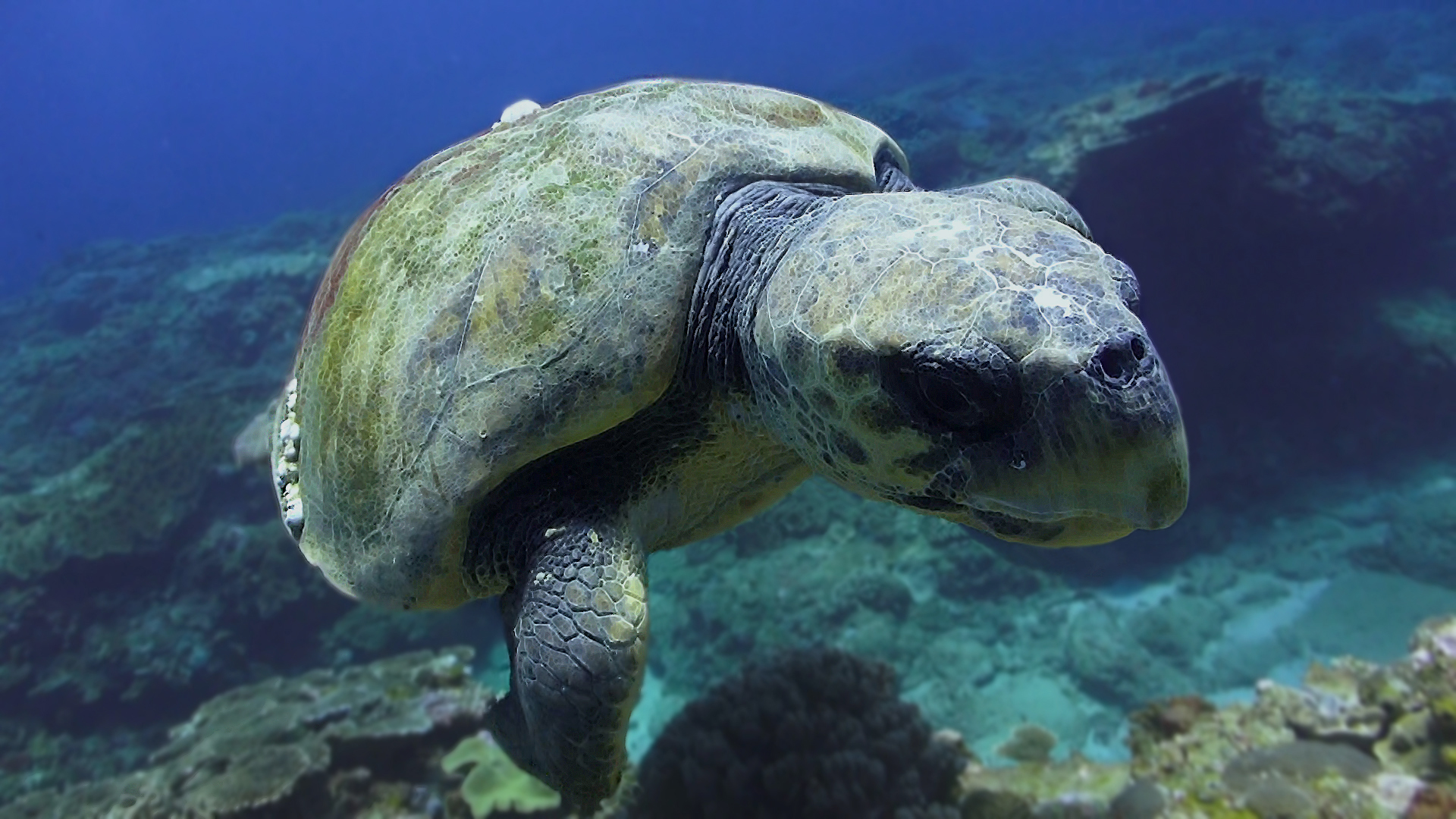
Kemp’s ridley sea turtles – the smallest and most endangered sea turtle species worldwide – make Louisiana’s waters a key foraging habitat. Conservationists now celebrate the ruling as a ‘decision to maintain a vital lifeline’ for the species.
“Tow-time restrictions just don’t work. TEDs are a coexistence win for sea turtles and fishermen alike,” said Jane Davenport, senior attorney at Defenders of Wildlife.
The 2019 rule is the product of a regulatory process stretching back to 1987, when the Fisheries Service first required TEDs on larger offshore shrimp trawlers. Skimmer-trawl vessels – used almost exclusively out of Louisiana, with smaller numbers operating from Mississippi, Alabama, North Carolina, and Florida – were exempted from the TED requirement in 1992 and allowed to comply with tow-time restrictions instead.
Following a 2012 spike in sea turtle strandings in the Gulf, the Fisheries Service proposed scrapping the tow-time alternative altogether in favour of TED requirements, but withdrew the proposal in 2013 after discovering flaws in existing TED designs.
After years of testing, the agency finalised a trimmed down version of the rule in 2019, applying the TED requirement to skimmer-trawl vessels 40 feet and longer. It was a restriction that reduced the number of affected vessels by around 80% compared to the original 2016 proposal.
Despite that reduction, the agency still projected a conservation benefit of 801 to 1,168 sea turtles annually across the southeastern US shrimp fisheries. This is the third time a federal court has weighed in on the 2019 rule.


"*" indicates required fields
Printed editions
Current issue
Back issues




Enjoy so much more from Oceanographic Magazine by becoming a subscriber.
A range of subscription options are available.
