Ocean Photographer of the Year 2026 winners announced
The winners of the Ocean Photographer of the Year 2026, presented by Oceanographic and Blancpain, have been revealed. From the seabed to the surface, the winning images span the full ecological and emotional range of the ocean, and the connection our species has with it.
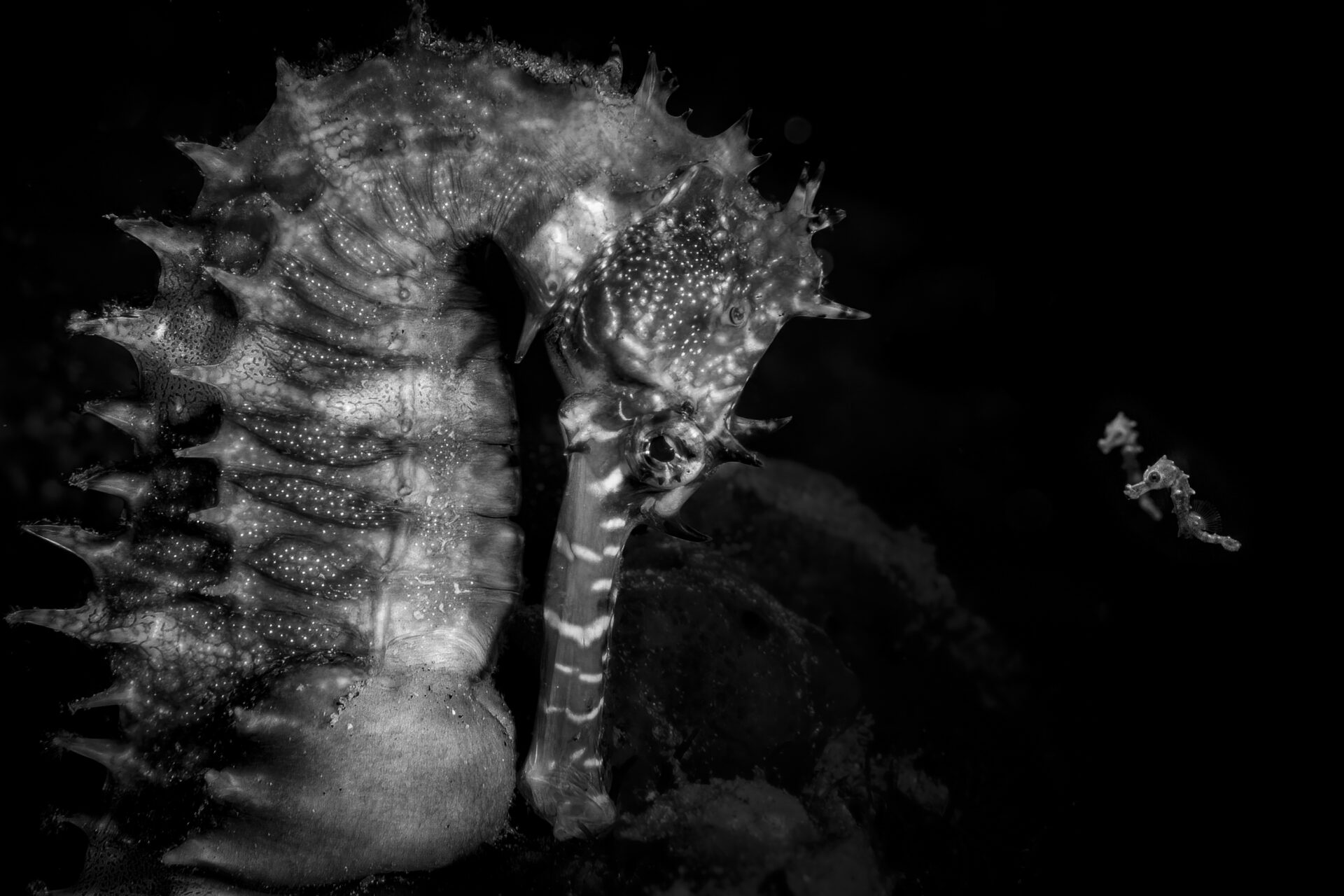
French photographer Julien Anton has been named Ocean Photographer of the Year 2026 for his extraordinary portrait of a male seahorse and two tiny juveniles alongside him.
In the image, the juveniles – just distinguishable against the dark expanse of the ocean – appear to pause and look back, as if weighing what lies ahead. In seahorses, it is the male who carries and births the young, a fact that gives the image its quiet charge. It is a portrait of the next generation, poised at the edge of an uncertain world, one that poses a question that hangs in the water long after the viewer has looked away: what kind of ocean are we leaving behind?
Anton’s photograph was first named winner of the Ocean Wildlife category before being elevated to the overall prize. On being named Ocean Photographer of the Year 2026, Anton said: “Winning Ocean Photographer of the Year is an immense honour – one I’m proud to share with my family, and with the local residents, naturalists and fishermen of Tahiti and Mo’orea whose knowledge made this image possible.
“We spent countless hours searching in difficult conditions, with no guarantee of finding a single seahorse. That is what made the moment so extraordinary – when the juveniles turned back towards the adult, it felt like something far beyond what I had dared to hope for. I am not a professional photographer; for me, photography is simply how I share what I see and feel. My hope is that this image can serve as a bridge between science, conservation and a world that deserves to know what is at stake.”
The recipient of this year’s Female Fifty Fathoms Award is British photographer Jenny Stock. The Female Fifty Fathoms Award was created in 2021 by Oceanographic and Blancpain to celebrate pioneering and boundary-pushing women in ocean photography. Unlike other categories, the recipient of this award is nominated by her peers and judged by the Ocean Photographer of the Year jury, including esteemed ocean photographer Laurent Ballesta, editorial staff at Oceanographic and a Blancpain delegation led by Marc A. Hayek, President and CEO.
Reflecting on receiving the award, Stock said: “To be nominated by fellow photographers means more to me than I can easily put into words – this community is everything. The Female Fifty Fathoms Award is particularly special because it celebrates the achievements and passion of women in ocean photography, and the women who have previously won it are exceptionally talented, so it’s a privilege to join their ranks.
“The connection to the Blancpain Fifty Fathoms watch – one of diving’s most iconic timepieces – makes it even more extraordinary. I’m honoured beyond measure, and I hope this recognition inspires more women to pick up a camera and discover the magic that’s beneath the surface.”

In other news
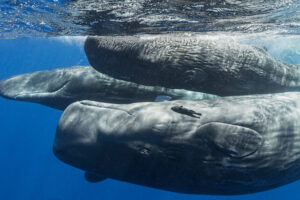
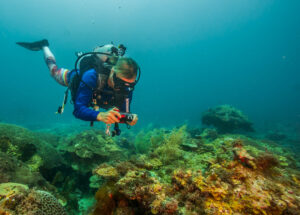
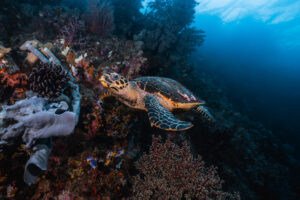
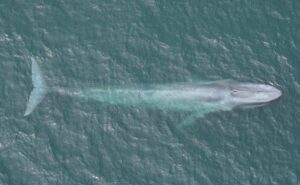
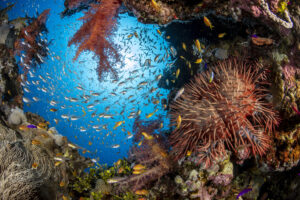
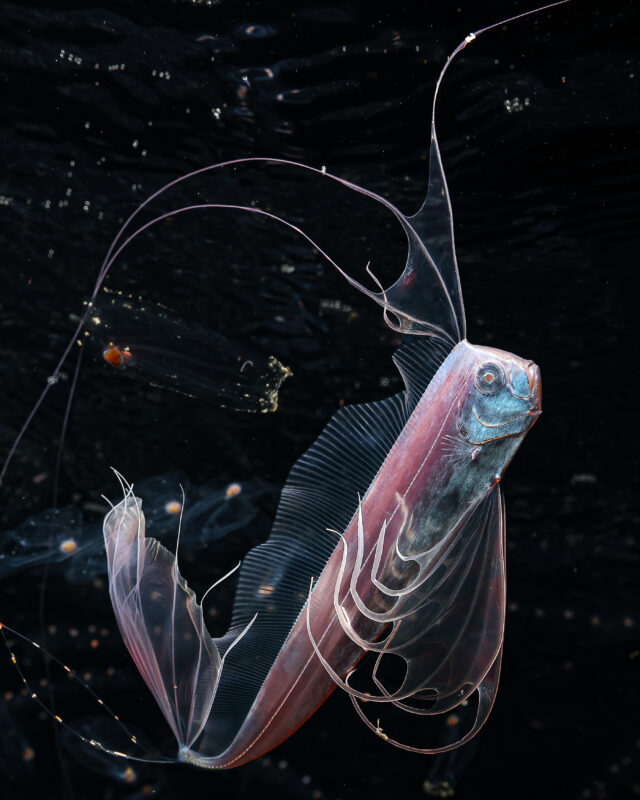
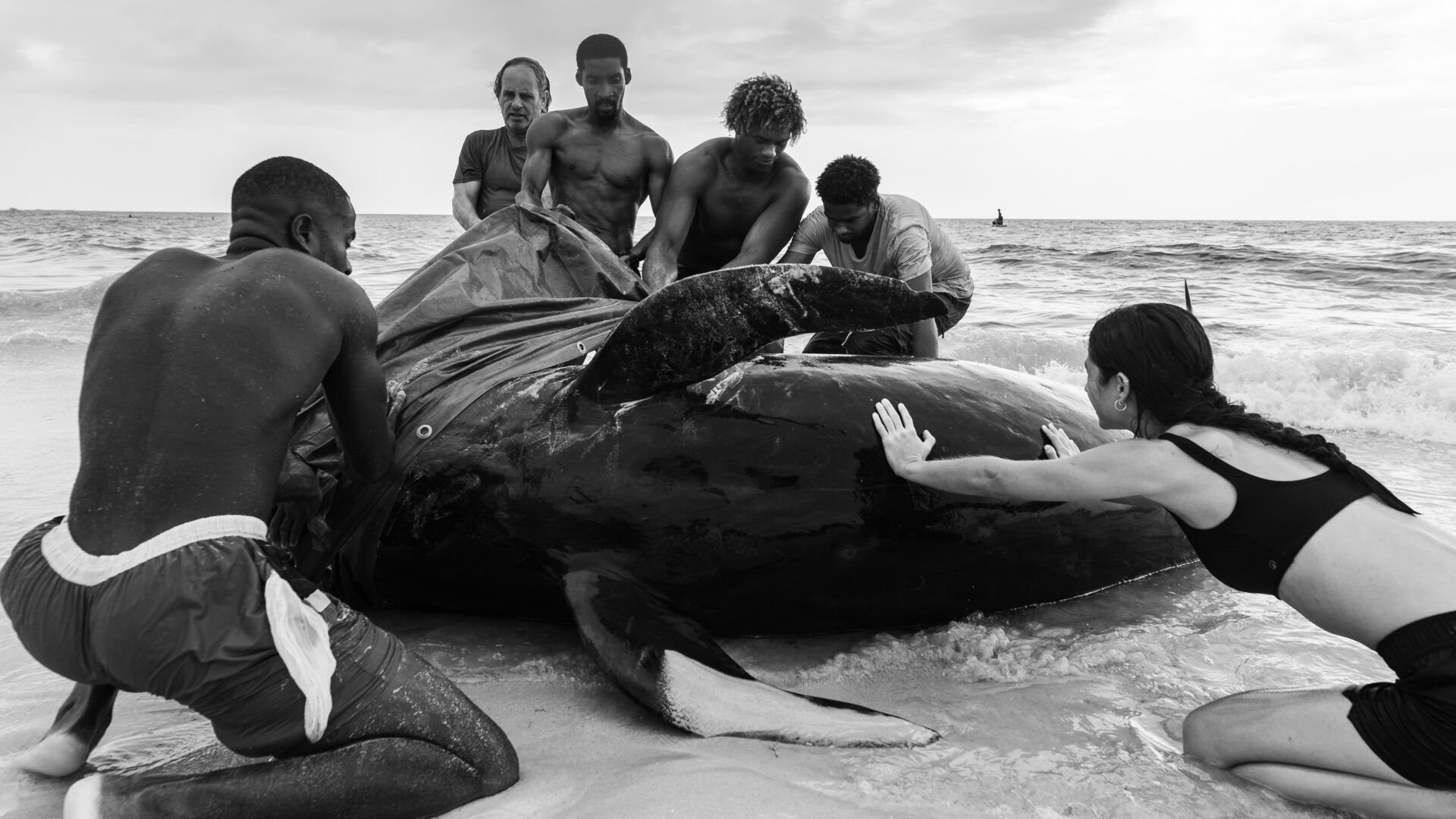
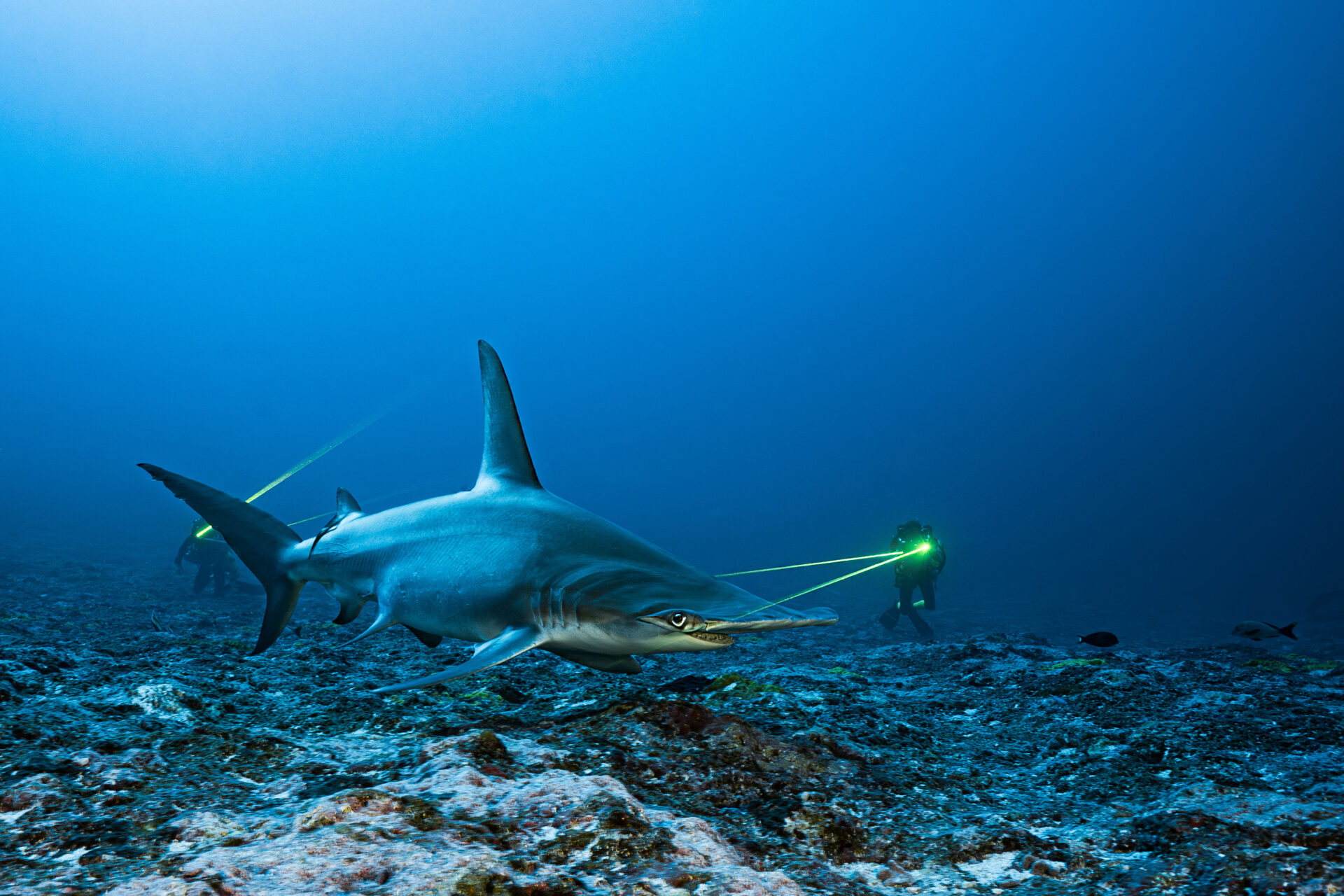
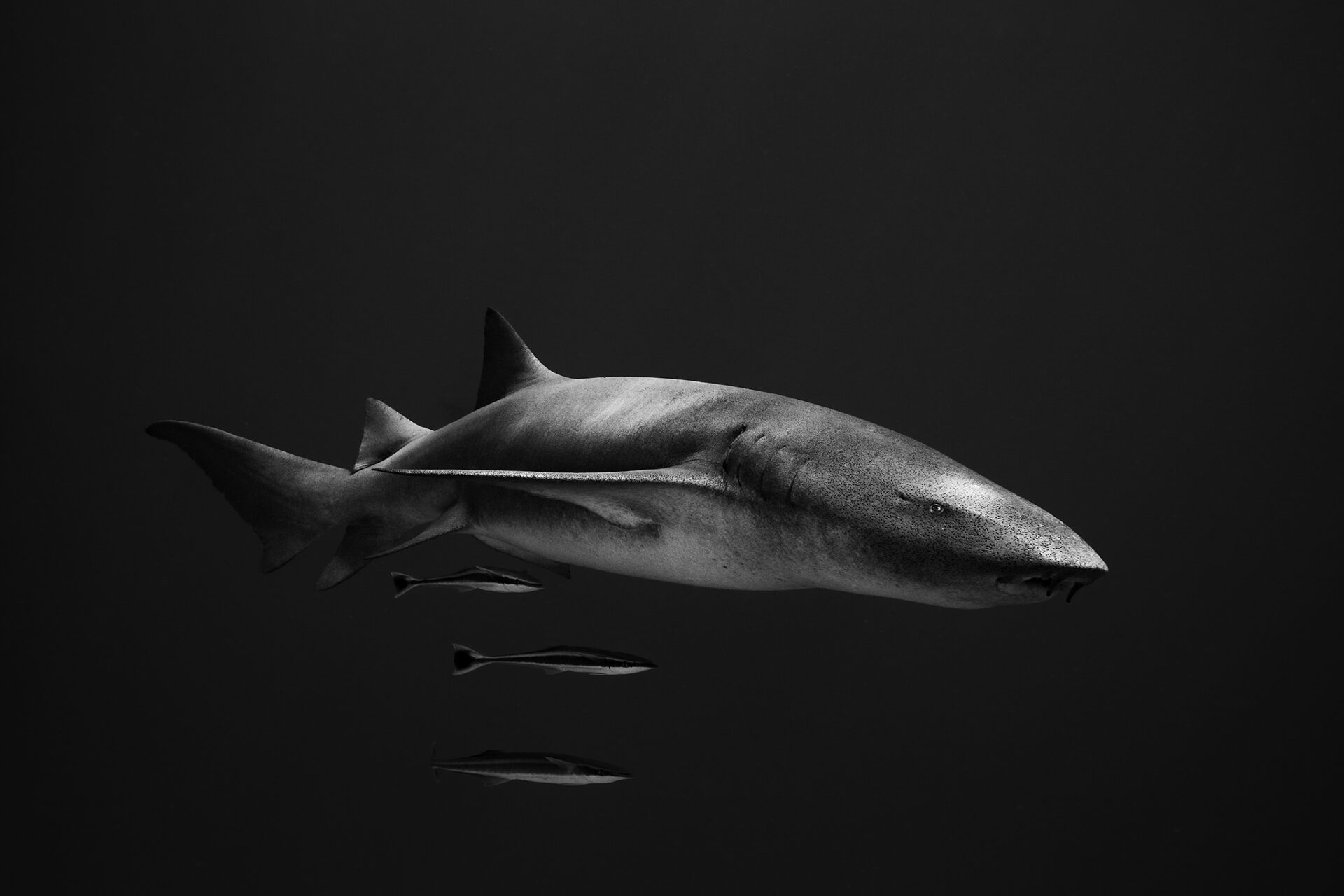
The Ocean Unseen: Hidden Worlds category, introduced for the first time this year, was won by Mitsuna Kawai, whose image of a ribbonfish in blackwater off the coast of Japan epitomises the category’s ambition: to turn the lens to the ocean’s smallest and least-seen inhabitants.
From the microscopic to the overlooked, the category reveals a dimension of the ocean rarely glimpsed, but no less vital for it. The Human Connection and Adventure categories explore our species’ enduring relationship with the sea. The Human Connection category was won by Rui Duarte, whose image of volunteers trying to push a stranded pilot whale back to sea captures something essential about our bond with the ocean, and what we stand to lose. The Adventure category was won by Gergo Rugli, for an image of dolphins cresting a wave alongside surfers at Tamarama Beach in Sydney, Australia – a joyful collision of two worlds that share the same water.
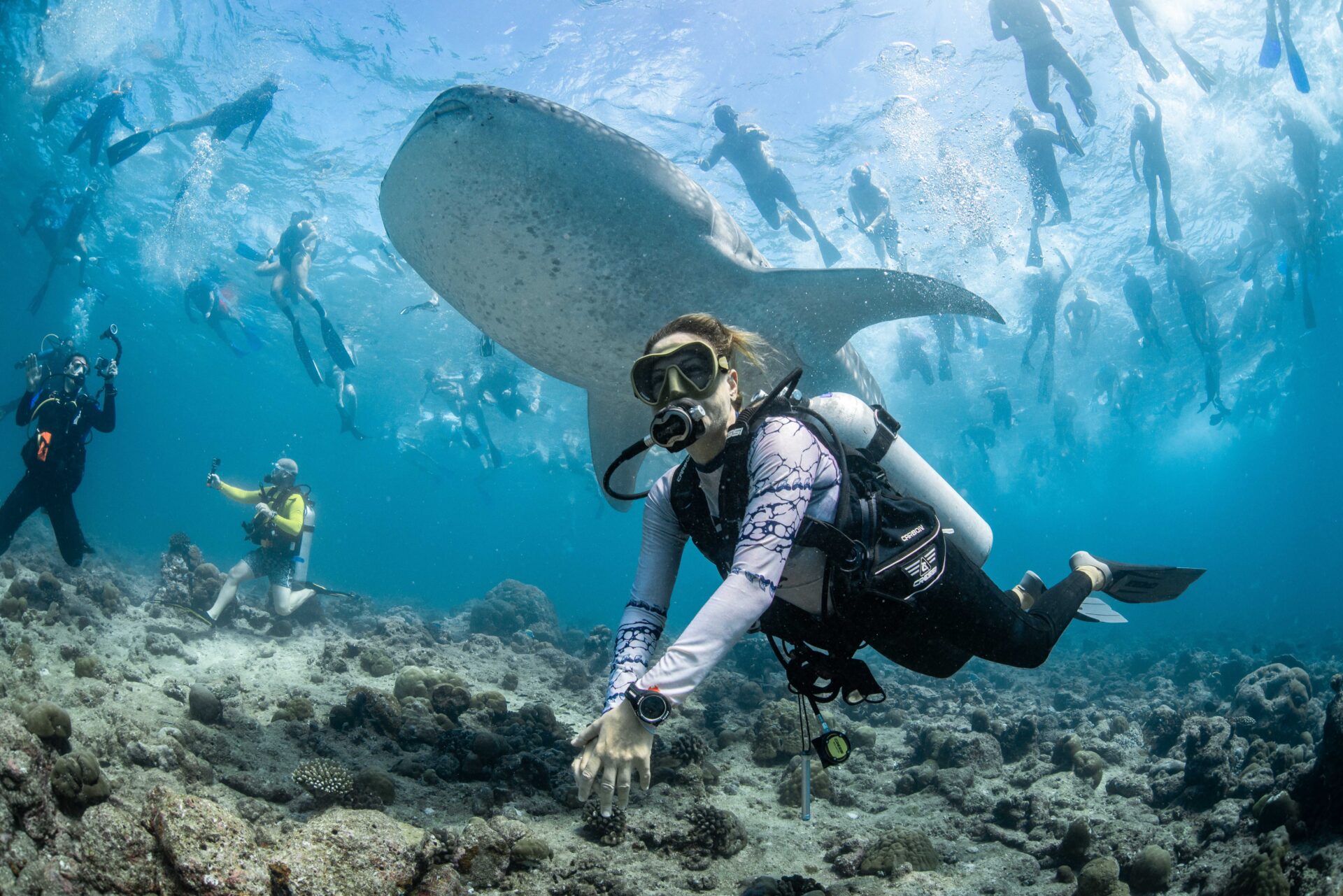
In the Conservation Impact category, James Ferrara’s image of a whale shark surrounded by a swarm of snorkelers and divers confronts the damage the ocean continues to face – in this case, the destructiveness and intrusiveness of over-tourism. Stories of overfishing and bycatch, plastic pollution taking its toll on marine mammals, and the killing of pilot whales in the Faroe Islands run through the category’s finalist work. These images are counterbalanced by the Conservation Hope category, won by Thomas Pavy, whose image of scientific divers using laser-calibrated video photogrammetry during a population survey showcases the ingenuity being adopted by conservationists to better protect the ocean and the species that inhabit it.
The Ocean Fine Art category was won by Matty Smith, whose black-and-white portrait of a nurse shark, flanked by remoras in perfect formation, is a study in form and stillness, and a breathtaking reminder of the magic and wonder of our ocean planet. All winner information, including images and captions, can be found at oceanographicmagazine.com/winners-gallery.
Ocean Photographer of the Year founder and director, Will Harrison, said: “When Julien Anton’s image first appeared on screen, the judging panel fell silent. It is an image that demands reflection, pause for thought, and it certainly got that from us. The image is full of quiet energy, even if some of that comes from us humans imprinting our own emotions on the photograph: the bow of the father’s head, the juveniles turning back towards him, the generational gap and the unknown futures of the newborns. What kind of ocean are we leaving for those who come after us? It is ocean photography at its most powerful: intimate, urgent and impossible to ignore.”
The Ocean Photographer of the Year, presented by Oceanographic and Blancpain, has a simple mission: to shine a light on the wonder and fragility of our blue planet, and to celebrate the photographers giving it a voice. The competition is a cornerstone of the Blancpain Ocean Commitment, which unites all the brand’s efforts to protect the ocean.
The program is composed of three interconnected pillars: Raising awareness of the ocean’s beauty, supporting scientific research on ecosystems and underwater phenomena, taking concrete conservation actions, such as helping to create marine protected areas around the world.


"*" indicates required fields
Printed editions
Current issue
Back issues
Enjoy so much more from Oceanographic Magazine by becoming a subscriber.
A range of subscription options are available.
