Mackerel scrutiny deepens as more UK retailers review their suppliers
NGOs have welcomed the move, but have called on the government to do more to monitor fish stocks and protect our ocean’s ecosystem
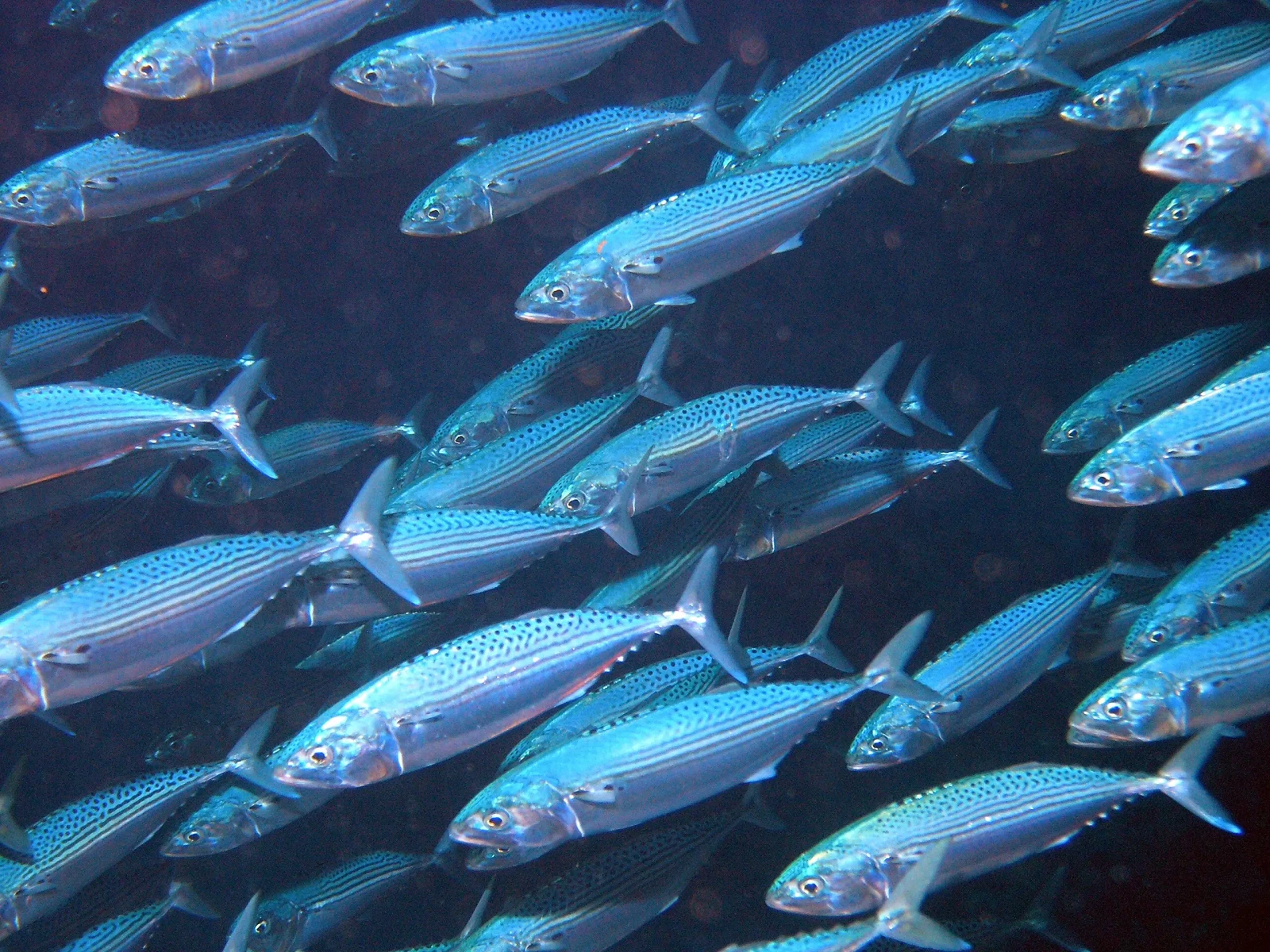
More British supermarkets join the fray, and are reviewing their source of mackerel following Waitrose’s decision to suspend their sales due to dangerously low stocks last week.
M&S, Sainsbury’s and Morrisons are evaluating their supply chains, and looking to diversify away from the fish, reports from trade publication The Grocer suggest.
In April 2025, the Marine Conservation Society (MSC) issued a warning that stocks were near “breaking point” due to overfishing by countries like the UK and Norway.
A Sainsbury’s spokesperson told The Grocer: “Our next purchasing window is in October/November, and unless there is clear and credible progress towards a sustainable international agreement by that point, we will not be sourcing additional northeast Atlantic mackerel.”
Morrisons have reportedly said that they want to support the British fishing industry, and will continue to stock fresh northeast Atlantic mackerel, as long as it is not classified as ‘avoid’ by the Marine Conservation Society’s (MSC) Good Fish Guide.
But they also announced they are moving all their tinned mackerel suppliers to a Chilean jack mackerel, sourced from a fishery certified by the MSC.

In other news




Kerry Lyne, the MSC’s Good Fish Guide manager has said that it would be difficult to estimate how long stock numbers will take to recover due to the role of wider environmental factors, but said the supermarkets’ decision would ease the pressure.
The move has faced backlash from fishing groups, who accused supermarkets of unfairly penalising UK suppliers. The Scottish government also pushed back on Waitrose’s decision and questioned the standards of alternative mackerel stocks.
“Quotas set above scientific advice put both marine environment and the future of the mackerel fisheries at risk,” said Lyne.
Hugo Tagholm, director of Oceana UK, said: “We’re delighted to see retailers showing up to restore UK seas and fish stocks. However, this cannot be solved by supermarkets or consumers alone – it is the government that sets catch limits and the government that is ultimately responsible for safeguarding UK seas, ocean wildlife, and fish populations.
“Right now UK government officials are meeting with other coastal nations to agree on a mackerel quota. They should be fighting for sustainable fishing and sending a clear message: We must end overfishing and rebuild fish stocks. Join us, and let’s make this work, for our ocean and the long-term prosperity of coastal communities,” he added.


"*" indicates required fields
Printed editions
Current issue
Back issues


Enjoy so much more from Oceanographic Magazine by becoming a subscriber.
A range of subscription options are available.
