Marine protected areas could drive major gains in scuba tourism
Research from the Scripps Institution of Oceanography finds well-managed marine protected areas can boost scuba diving tourism revenue by up to 252%, linking reef recovery and fish biomass to stronger coastal economies.
A persistent challenge in ocean conservation is how to fund the long-term management of marine protected areas (MPAs). Now, new research suggests that healthier reefs may offer their own financial solution. A study led by scientists at the Scripps Institution of Oceanography at the University of California San Diego has found that effective marine protection can drive substantial increases in scuba diving tourism revenue.
Published in the journal Ecological Economics on January 21, the study links the ecological recovery of fish populations inside well-managed MPAs with higher dive site prices and growing numbers of visiting divers. The researchers also present a framework that could help conservation managers and investors estimate the economic returns of protecting marine ecosystems.
The team focused on fish biomass – a widely used indicator of reef health that is already monitored at many sites around the world. By comparing fish biomass levels with scuba diving prices at 23 locations across three ocean regions, the researchers identified a clear trend: dive sites with greater fish abundance tended to command higher prices.
To test whether ecosystem recovery could translate into increased tourism over time, the researchers examined long-term data from Cabo Pulmo National Park. The protected area has experienced a dramatic rebound in fish populations following decades of strict conservation measures. According to the study, this ecological recovery has been accompanied by a steady rise in the number of divers visiting the site.
“Within coastal economies, non-extractive activities are often undervalued, even though they benefit directly from healthy ecosystems and can generate returns from restoration and protection. These activities create a positive feedback loop, where thriving ecosystems support economic well-being,” said Fabio Favoretto formerly a postdoctoral researcher at Scripps and now a lecturer at the University of Plymouth, one of the lead authors on the research paper.
Combining these relationships with fish recovery trajectories reported in ecological studies, the researchers developed a modelling framework that projects how dive tourism revenue could evolve under different levels of protection.
In other news

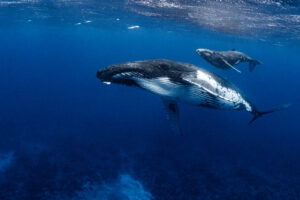


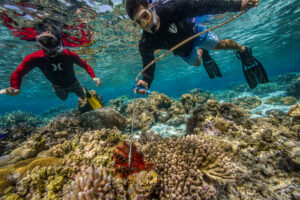
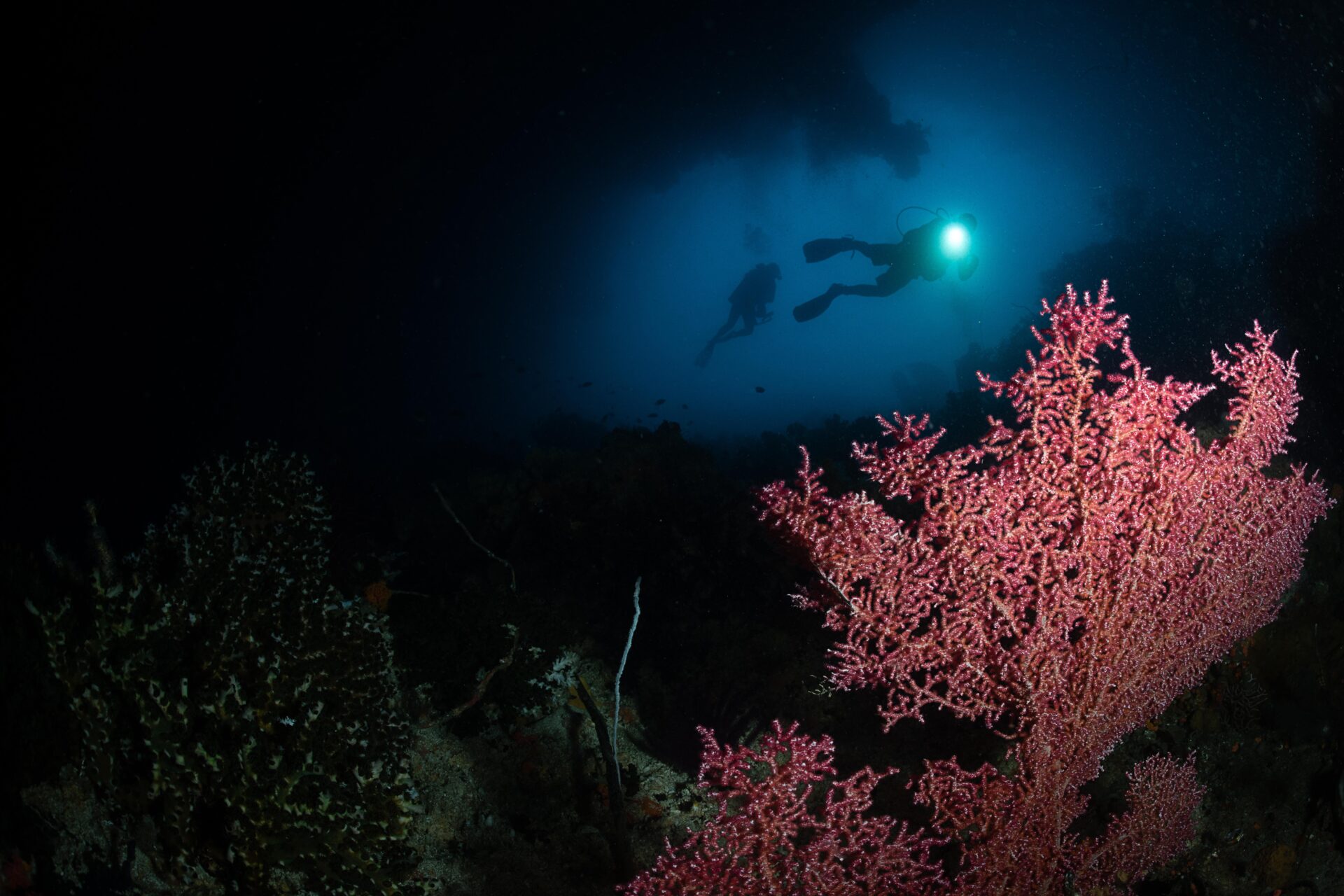
Their projections suggest that well-enforced marine protected areas could see scuba tourism revenues increase by as much as 252% over a ten-year period. However, the gains depend heavily on the effectiveness of management. Areas that hold protected status but lack strong enforcement could experience declining revenues as fish populations continue to deteriorate.
“Ecotourism is a key part of these non-extractive economies, often matching or surpassing the economic impact of extractive ocean uses. We frame dive tourism not only as a market but as part of a broader coastal prosperity strategy, where ecosystem recovery supports small businesses, municipal revenues, and local employment,” Favoretto said in the paper.
The framework is designed to be flexible. By inputting local data – including fish biomass measurements, baseline dive prices, and the costs of enforcement – managers can generate site-specific forecasts that estimate potential returns on conservation investments and projected payback periods.
The authors suggest the approach could also help structure conservation finance tools, including bonds tied to verified ecological improvements. While the study centres on dive tourism, the underlying concept could extend to other ocean-based livelihoods that depend on healthy ecosystems.
However, the study also notes that the dive tourism sector itself faces structural challenges that may limit its potential contribution to conservation financing.
“Dive operators face barriers precluding their potential contributions to the blue economy due to the lack of local, regional and international organisation, which leads to competition rather than cooperation and coordination. Without cohesion, the scuba diving industry cannot be properly represented as a societal entity and therefore will not be adequately heard and served,” the team state. “These findings underscore that successful conservation finance requires not just positive ROI, but thoughtful institutional design to balance operator incentives with community welfare and equitable access to marine resources.”
The research was led by Favoretto, formerly a postdoctoral researcher at Scripps and now a lecturer at the University of Plymouth. Co-authors include Matthew J. Forrest and Octavio Aburto-Oropeza of the Scripps Institution of Oceanography.
Funding for the study was provided by the National Geographic Society, the Mary Jameson Foundation, the Paul Angel Foundation, and Pristine Seas.


"*" indicates required fields
Printed editions
Current issue
Back issues




Enjoy so much more from Oceanographic Magazine by becoming a subscriber.
A range of subscription options are available.
