Microplastics documented for first time in deep-sea ecosystems
A new study found over 90% of deep-sea molluscs to be contaminated with microplastics, and that levels were nearly 15 times higher in the Indian Ocean
Images of plastic pollution ensnaring and injuring some of our most beloved coastal creatures have been well-publicised. What is less well known is the hidden, but far-reaching, impact of this sinking debris.
For the first time, new research has shown that plastic pollution is actively accumulating in the world’s most remote and extreme ecosystems: deep-sea hydrothermal vents.
Researchers discovered that over 90% of deep-sea snails and mussels living on vents more than 2,000 metres (6,600 feet) below sea level are contaminated with microplastics. The majority of this contamination came from polymers like polystyrene, which is widely used globally in consumer packaging and single-use containers.
Interestingly, the geographic location played a massive role. Organisms from the Indian Ocean contained significantly higher concentrations of microplastics compared to those from the southwestern Pacific – nearly 15 times higher. Researchers believe this disparity is driven by intense coastal human activities and the vast quantities of plastic flowing from major river systems into the Indian Ocean.
The findings come from a joint study undertaken by Dr. Se-Joo Kim and Dr. Jinyoung Jeong at the Korea Research Institute of Bioscience and Biotechnology (KRIBB), in collaboration with the Korea Institute of Ocean Science and Technology (KIOST).

In other news


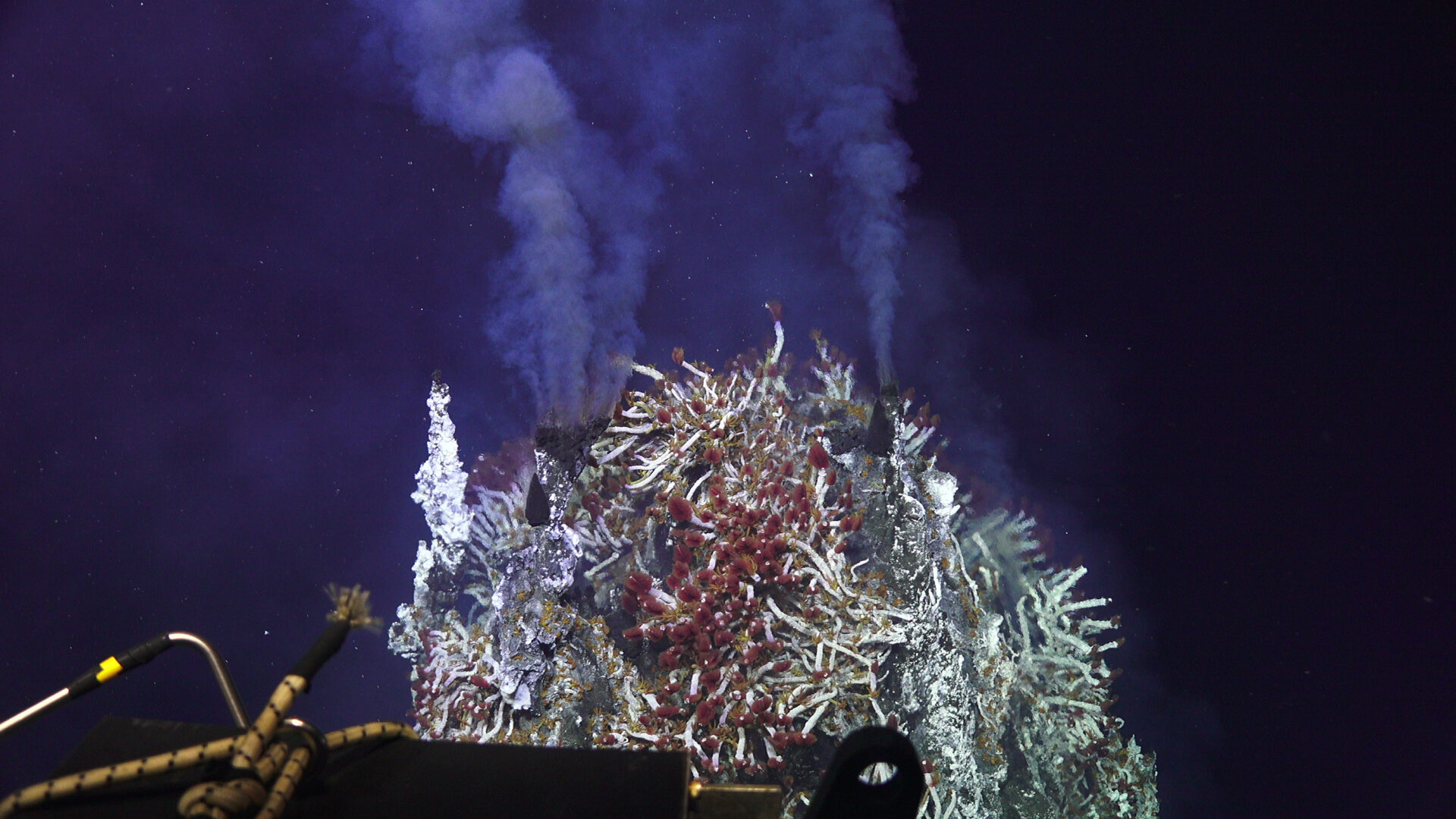
The team analysed deep-sea specimens collected by KIOST from hydrothermal vents in the North Fiji Basin of the southwestern Pacific Ocean and the Central Indian Ridge in the Indian Ocean.
The results highlight both the incredible range of human-made waste and the pathways through which these microscopic particles invade marine life.
The study found that an organism’s biology dictates exactly how plastic behaves inside its body. In grazing snails, which feed on microbial mats covering the seafloor, microplastics were concentrated primarily within the digestive organs. By contrast, filter-feeding mussels exhibited a relatively even distribution of microplastics throughout their various tissues.
“Plastic pollution has now spread even to deep-sea hydrothermal vent ecosystems that were once considered among the most isolated environments on Earth,” said Dr Kim, one of the corresponding authors of the study. “Our findings provide important scientific evidence for establishing future deep-sea environmental monitoring systems and conservation policies.”


"*" indicates required fields
Printed editions
Current issue
Back issues



Enjoy so much more from Oceanographic Magazine by becoming a subscriber.
A range of subscription options are available.
