Sunflower sea stars to see day in court over failed protections
The Center for Biological Diversity is suing the Trump administration for missing a legal deadline to protect critically endangered sunflower sea stars, decimated by disease and warming oceans, under the Endangered Species Act.
Sunflower sea stars – a species hard hit by a wasting disease that has wiped out 90% of their Pacific population since 2013 – still have no legal protection under the Endangered Species Act, despite a federal deadline for that protection passing years ago. Today, the Center for Biological Diversity sued the Trump administration over the National Marine Fisheries Service’s failure to list the species as threatened.
The Service proposed protections back in 2023, following a petition filed by the Center two years prior to that, in 2021. Federal law required a final decision within a year. That deadline has now passed with no listing finalised. In fact, the second Trump administration has yet to list a single species under the Act.
“These incredible many-armed sea stars have taken a huge hit from climate change and obviously need protection, but for years federal officials haven’t acted,” said Miyoko Sakashita, oceans programme director at the Center.
“It’s been painful to watch disease spread among the species as the ocean warms. We need to jump in and do everything we can to save these gorgeous sea stars. The Trump administration has a clear legal duty to take action on these amazing animals.”
The lawsuit was filed this week in the Northern District of California.

In other news



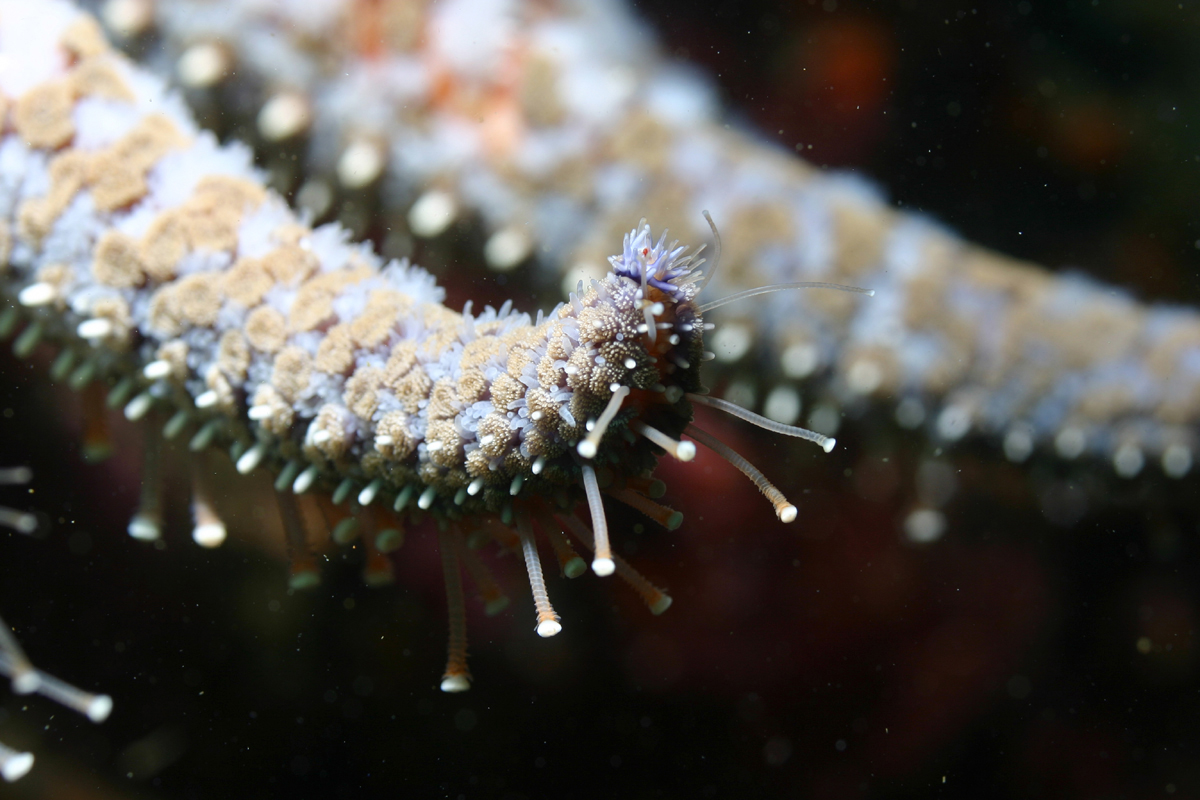
Since 2013, sea star wasting disease has torn through the Pacific population, causing lesions, contorted limbs, disintegration and death. It’s considered one of the largest marine epidemics on record. And crucially, the epidemic is not yet over.
Warmer oceans are making outbreaks worse, and NOAA has declared an El Niño event running from June through February 2027, pushing above-average warm water up from the equatorial Pacific. Meanwhile, ocean acidification adds further pressure.
Sunflower sea stars – with up to 24 arms, bodies reaching a metre wide, and a striking range of colours – live along shorelines stretching from Southern California to southern Alaska. As voracious predators of sea urchins, they play an outsized role in keeping kelp forests intact, preventing the overgrazing that can collapse coastal ecosystems.
The species has never recovered from the disease’s near-wipeout of its population and is now classified as critically endangered by the International Union for Conservation of Nature.
Formal protection under the Endangered Species Act would curb threats to sea star habitat from water pollution, dredging, shoreline armouring and other coastal development – and require federal officials to draft a recovery plan for the species.


"*" indicates required fields
Printed editions
Current issue
Back issues

Enjoy so much more from Oceanographic Magazine by becoming a subscriber.
A range of subscription options are available.
