Millions of kilograms of marine life caught in Australia’s marine parks annually
A Freedom of Information request reveals over two million kilograms of marine life is extracted from Australia’s MPAs each year, increasing pressure on the Albanese government as it looks to expand the country's marine parks
Almost 2.2 million kilograms of marine life are taken by commercial fishers annually from just a third of Australia’s Commonwealth marine parks, a Greenpeace Australia Pacific Freedom of Information Request reveals – intensifying pressure on the federal government as it undertakes a landmark review of the nation’s Marine Parks Network.
The data, which is taken from just 18 of Australia’s 60 marine protected areas, suggest the true nationwide catch could be far higher, raising alarm about bycatch of dolphins, turtles and seabirds inside zones meant to safeguard ocean life.
The south-west marine parks network recorded the largest haul, with 887,160kg taken per year, followed by the Coral Sea network off the Great Barrier Reef, where 808,840kg is removed annually.
Elle Lawless, Senior Campaigner at Greenpeace Australia Pacific, said the scale was staggering.
“We’re talking about 6,600 kilograms of wildlife in one day, and that does not include what’s caught in the other 42 marine parks, many of which allow destructive fishing like longlining,” she said.
“You wouldn’t expect someone to bulldoze a national park on land, so why should they be allowed to trawl in a marine park?” she added.
Australia’s Marine Parks Network is divided into different zoning categories, with each zone determining which activities are permitted and the level of protection provided. More than half of the Marine Parks Network allow industrial activities like industrial fishing and oil and gas mining. This includes zoning types that allow destructive fishing by longliners and bottom trawlers.

In other news

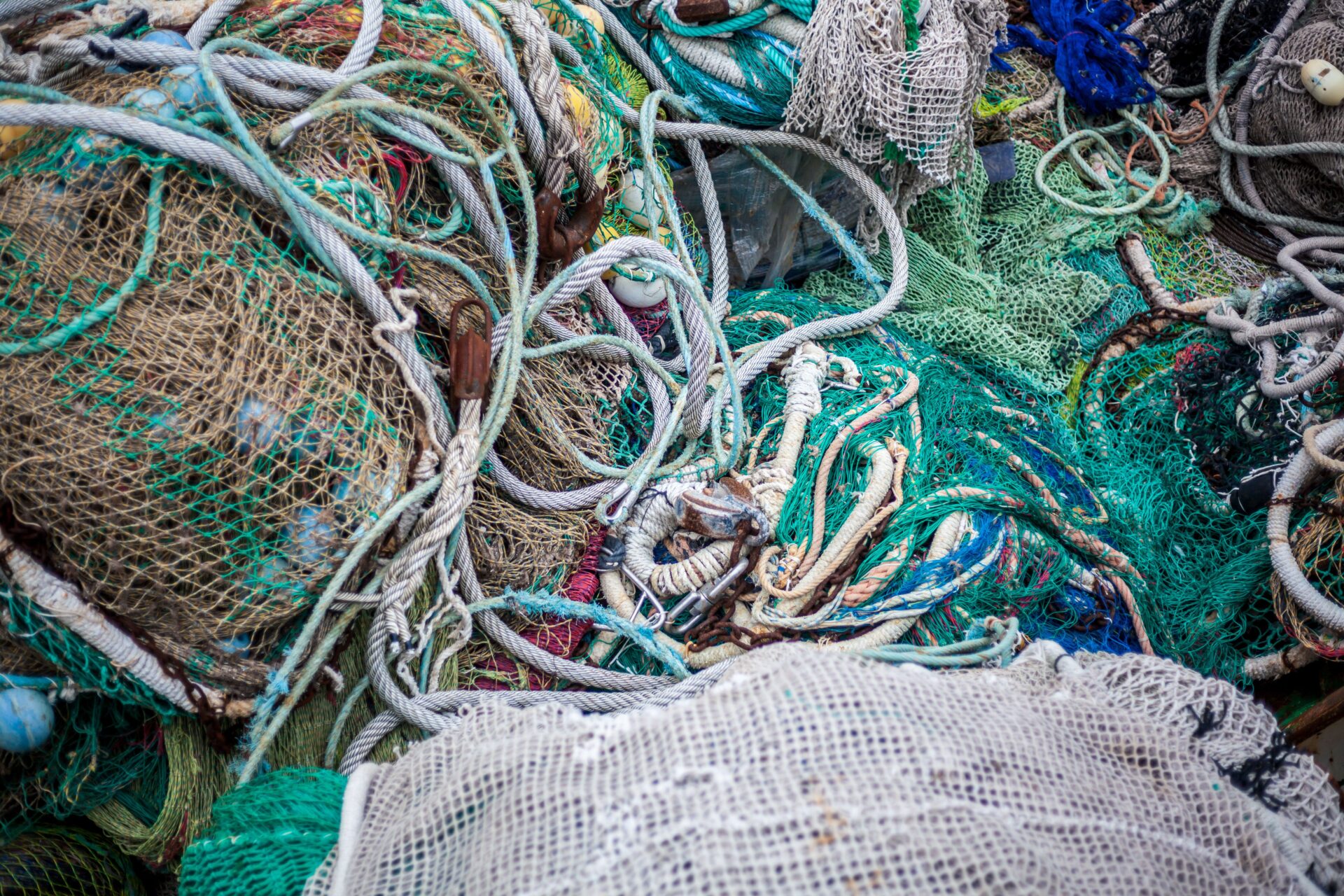
The findings land as the Albanese government opens a once-in-a-decade review of the Marine Parks Network, which could expand protections by 67 million hectares and help Australia meet its international pledge to protect 30% of its waters ahead of the 2030 deadline.
Public consultation on the review is now open, alongside $5.6 million in new grant funding to support First Nations, regional and scientific engagement in park management.
Greenpeace has said this review presents an opportunity to ban industrial activities from our marine parks and create more ocean sanctuaries.
“Australia has made significant progress in securing 52% of its oceans in marine parks; however, this intent is undermined by zones that allow damaging industrial fishing activities,” Lawless said. “The review is a critical opportunity to fix what isn’t working and finally give our oceans the real protection they deserve.”


"*" indicates required fields
Printed editions
Current issue
Back issues

Enjoy so much more from Oceanographic Magazine by becoming a subscriber.
A range of subscription options are available.
