Rights of Nature spreads as councils adopt River Avon Charter
Eleven councils have adopted a community-led charter recognising the River Avon as a living entity with rights, as campaigners say more than 20 similar charters are spreading across the UK.
Councils across the River Avon catchment have adopted a Bioregional Charter recognising the river as a living entity with rights. It is a community-led alternative to the legal personhood models used elsewhere in the world.
The Avon Bioregional Charter has been unanimously adopted by Bristol City Council, Bath and North East Somerset Council and North Somerset Council. In total, eleven councils, including town and parish councils, have signed up, with Wiltshire, which covers the river’s source, still in discussions. Campaigners say the number is growing every week.
The charter was drawn up by We Are Avon, a campaign group working with local authorities, citizens and academics across the catchment, including those at the University of the West of England. It builds on an earlier community version, the Thriving Avon Charter, which gathered more than 500 signatures.
“It is a declaration of, ‘I acknowledge that this river is alive’,” said Meg Avon (real name Meg Ruth-Trump), a campaigner with We Are Avon. “I have a relationship with this river. I want to see this relationship grow. And I want to see this river have longevity so that other generations to come can also have a relationship with this river.”
A different route to rights
Rights of nature have been recognised elsewhere through the courts and constitutions. Whanganui in New Zealand was granted personhood status, and Ecuador has written rights of nature into its constitution. Avon says that approach can feel distant from the UK.
Instead, the charters operate at local policy level. Passed through council decision-making, they carry weight, while citizens can also sign them and hold councillors to account if the river’s rights are not upheld.
“We don’t really know what a healthy, happy river looks like at all because they’ve been so messed around with,” Avon said.
The movement is growing quickly. Four years ago, there was one charter, for the River Ouse. There are now more than 20 in the UK, with more than 40 community groups in the process of adopting them or starting the conversation. A River Rights Network was formed after the Ouse charter was adopted, to coordinate efforts nationally.
“I like to call it a spring fed movement, not a grassroots movement,” said Avon.

In other news




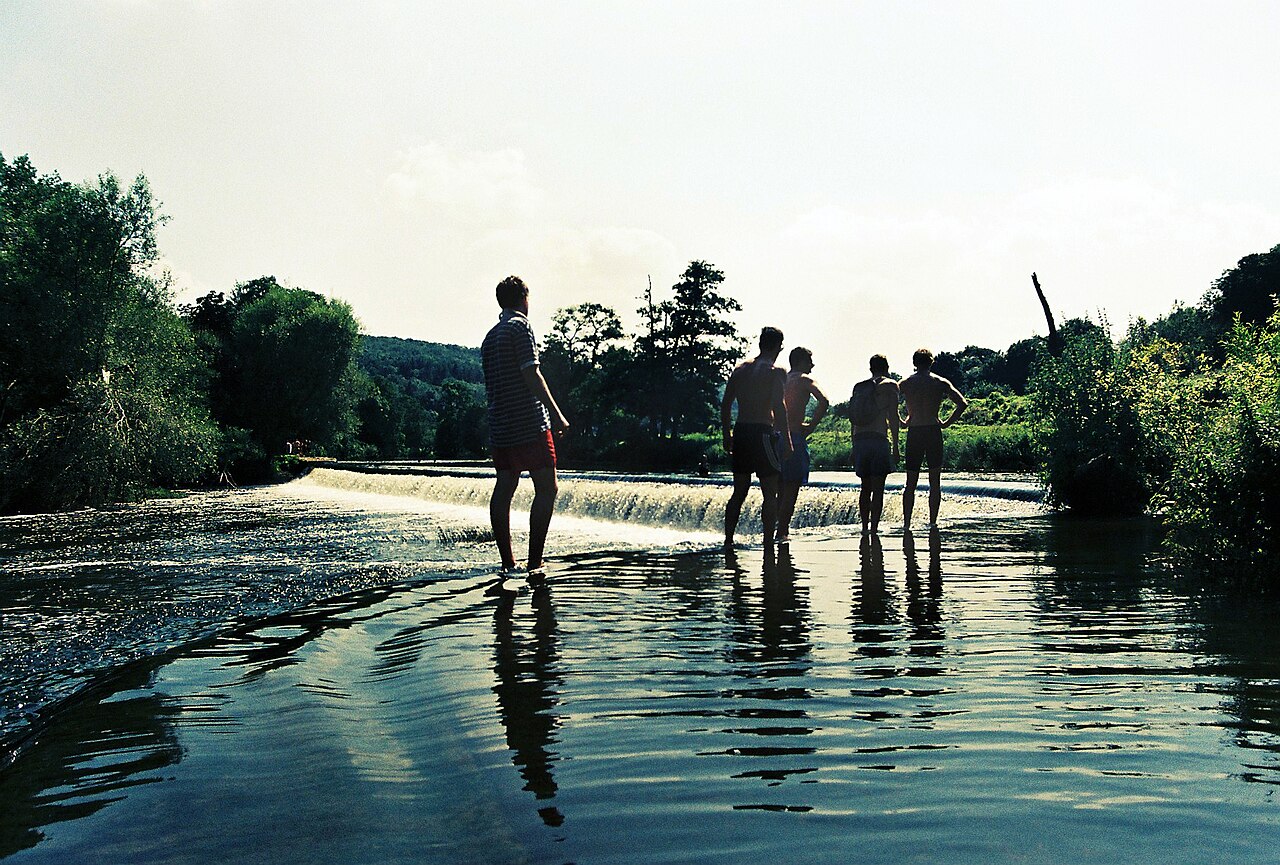
Avon first became involved in the Avon campaign in 2023 when she decided to marry the river. She wanted to bring together campaigners and citizen scientists working to secure designated bathing water status for the river, and chose a headline-grabbing way to do it.
The ceremony drew press attention and posed a question Avon says she is asked more than any other. “Did you legally marry? And I say no, because you cannot legally marry something that is still considered an object.” She would like to renew her vows one day, once the river is formally recognised.
She is clear that the charter is not about replacing legislation. A Rights of Nature Bill is currently going through the House of Lords, and she says having both is helpful. But she is wary of leaving the work to government alone.
“I’m a bit wary for what could happen if we did rely on our legal systems or our current politics, or things like the Rights of Nature bill to solve all of the answers and for all of this responsibility to still remain with government,” she said. “So I want to keep leaning on citizens’ power.”
She also wants the river represented by the people who know it best. “It’s the people that know their section of the river,” she said. Who should speak for the river, whether a river guardian, councillor, ecologist or angler, is one of the questions the charter is designed to open up.
Work to adapt the original text into something councils could adopt was supported by funding from the University of the West of England, which is also backing research into the charter’s effects. Avon said the wording had been the sticking point, with campaigners holding firm on keeping the word “rights” despite concerns it implied councils could be sued.
An unexpected effect, she said, has been bringing neighbouring authorities together. “It’s been so exciting just bringing all these different councillors into the same room because they’ve never worked together on anything,” she said. “And now they are because the river connects them.”
World Rivers Day was marked with a ceremony celebrating the charter’s adoption and encouraging further councils to follow.
A river that is struggling
The Avon remains under pressure. Avon said river guardians continue to report sewage, oil slicks on the surface and dead fish every week, alongside sightings of beavers, herons and kingfishers.
“It is still a thriving river, but it is really struggling,” she said.
The river is still not a designated bathing water, and official testing normally covers only the bathing season, from May to September. We Are Avon completed a full year of testing last year at a single site, and has recently secured a small pot of funding for an Avon-wide river guardian testing programme focused on sewage.
The next step depends on further funding. Avon hopes to host two events by the end of the year. The first would bring councillors back together, to encourage those who have not yet adopted the charter and to hear from those who have what has worked.
“I’m really hoping we just focus on the small wins to begin with,” she said.
The group also wants to encourage joined-up, whole-catchment thinking. The right to flow, for example, matters differently depending on where you are along the river, with flood risk a major concern downstream. Moving smaller weirs upstream could ease pressure towards the mouth. The aim is also to bring the catchment partnership on board.
Several councils have already begun work on implementation plans, and We Are Avon’s research team wants to track how each interprets the rights in the charter.


"*" indicates required fields
Printed editions
Current issue
Back issues


Enjoy so much more from Oceanographic Magazine by becoming a subscriber.
A range of subscription options are available.
