Oxygen "disappearing" from earth's waters at alarming rate, scientists warn
Scientists warn that low oxygen levels threaten entire food webs, and the phenomenon should therefore be recognised in the planetary boundaries framework – a model introduced in 2009 to track the nine environmental processes vital to maintaining a stable and resilient Earth.
Oxygen levels in global aquatic ecosystems are plummeting at an alarming rate, threatening marine life and weakening the natural systems that help regulate the planet’s climate. These are the stark warnings delivered by scientists in a new report released today.
The study, led by researchers at UC San Diego’s Scripps Institution of Oceanography, cautions that widespread “aquatic deoxygenation” is rapidly pushing the planet into an “unsafe space,” and that some of the impending changes could persist for centuries. This would make them effectively irreversible within human lifetimes.
While global warming and ocean acidification frequently dominate headlines, the rapid loss of dissolved oxygen has tended to fly under the public radar. The new review aims to change that by linking oxygen loss directly to the “Planetary Boundaries” framework – a model introduced in 2009 to track the nine environmental processes vital to maintaining a stable and resilient Earth.
Currently, the framework tracks threats like climate change, biodiversity loss, and chemical pollution. The research team argues that dissolved oxygen levels are so critical to global stability that they must be formally added to the list.
“The health and stability of our planet depends on the health and stability of aquatic ecosystems, which need oxygen to function normally,” said lead author Erica Ferrer, a postdoctoral scholar at UC Santa Barbara’s National Center for Ecological Analysis and Synthesis and Scripps alumna. “This study is designed to elevate the profile of aquatic deoxygenation as a global threat and show that it does not operate in isolation.”
According to the study, the drain on global oxygen is primarily fuelled by a toxic combination of human activity: human-caused warming, warmer water naturally holds less dissolved gas than colder water; Nutrient pollution, agricultural runoff and sewage trigger massive algal blooms. When these blooms die, their decomposition consumes vast amounts of oxygen; stagnant waters, changes in ocean circulation and ventilation are preventing oxygen-rich surface waters from mixing into the deeper ocean.
The consequences of this shift stretch across the entire aquatic food web, threatening everything from microscopic organisms to apex predators like sharks and fish.

In other news
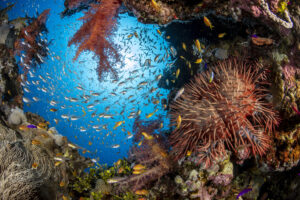
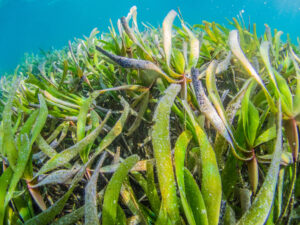
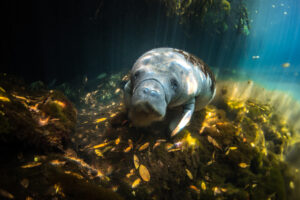


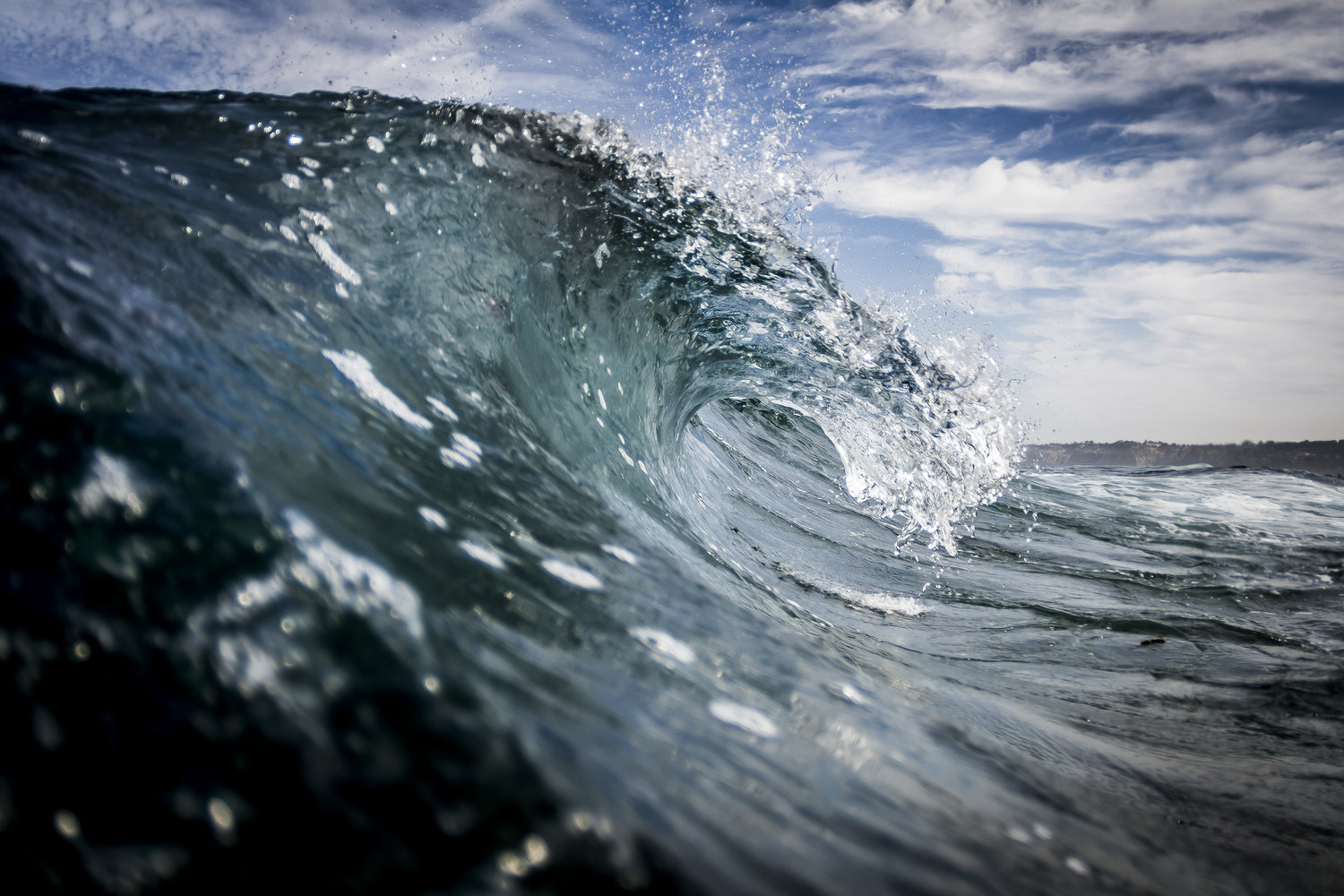
Even air-breathing marine mammals aren’t safe. As oxygen-depleted “dead zones” expand, the habitats of their prey are destroyed or relocated, completely disrupting the food chains that whales, dolphins, and seals rely on to survive,
The concept for the study was born after Ferrer and senior author Lisa Levin, a biological oceanographer at Scripps, attended the UN Climate Change Conference (COP25) in Madrid.
They realised that global policy was treating oxygen loss as an isolated issue rather than a symptom of a larger, interconnected crisis.
By formally integrating aquatic deoxygenation into the Planetary Boundaries framework, the authors hope to force policymakers and scientists to address the crisis holistically.
“Mitigating its impacts represents a critical component of maintaining biodiversity and climate,” Ferrer emphasised.
Without immediate, coordinated global intervention to curb emissions and nutrient pollution, the breath of life in Earth’s waters will continue to slip away.


"*" indicates required fields
