Rapid changes in the Antarctic are 'stark warning' to the world
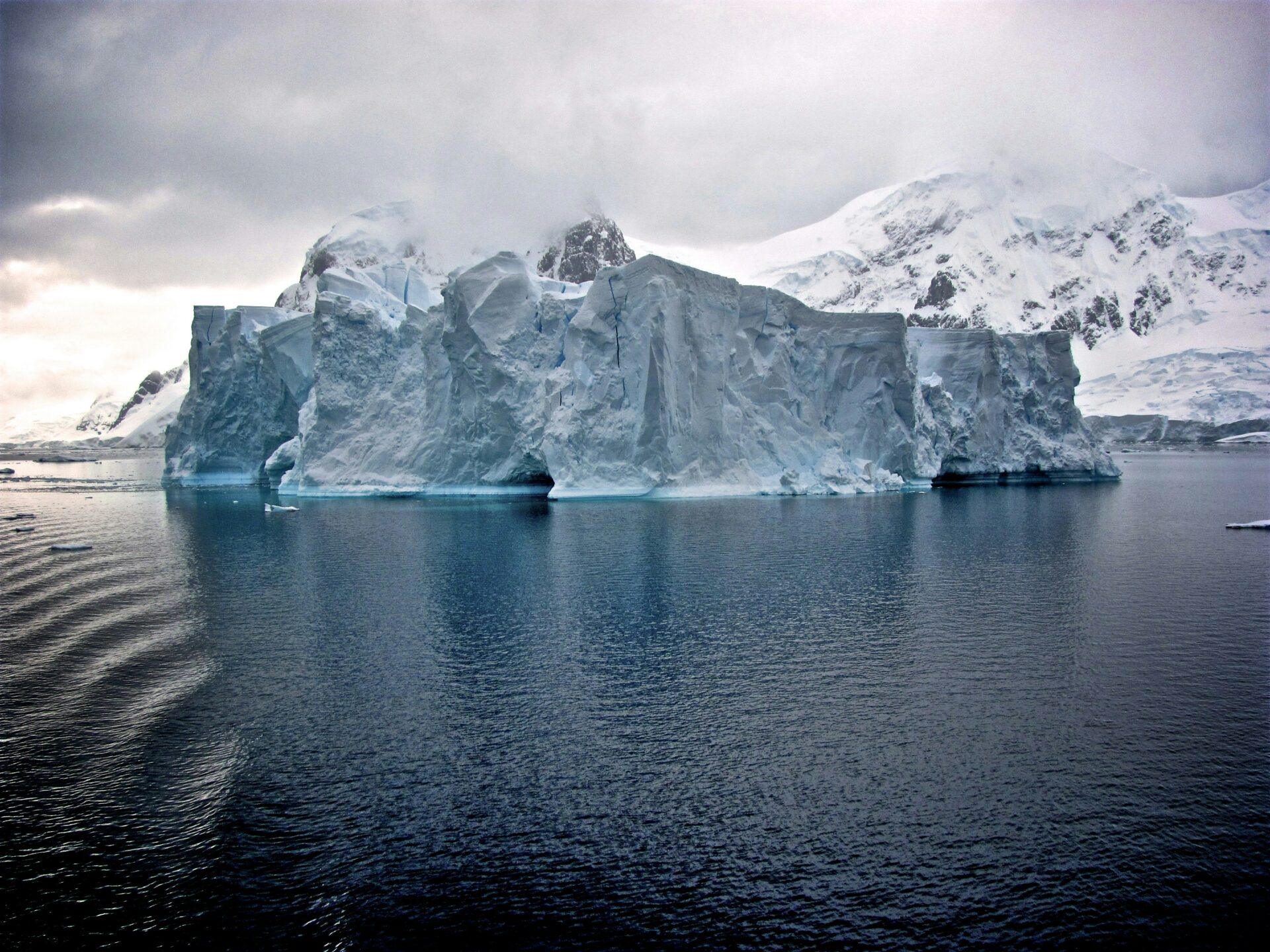
From collapsing ice shelves and record-low sea ice to threats to fragile ecosystems, researchers warn that Antarctica is now reaching dangerous tipping points that could accelerate global global heating and raise sea levels worldwide.

Scientists meeting at the Royal Society in London this week will do so under the thick cloud of a stark warning to the rest of the world: that dramatic and extreme changes are occurring in the Antarctic faster than expected, with consequences that will affect us all.
From collapsing ice shelves and record-low sea ice to powerful storms and threats to fragile ecosystems, researchers warn that Antarctica – often seen as remote and untouched – is now reaching dangerous tipping points that could accelerate global heating, raise sea levels, and disrupt weather patterns worldwide.
The risks posed by the rapid changes across the polar region are no longer distant or theoretical, scientists have stressed, outlining that extreme events are already becoming more frequent and severe with the possibility of crossing irreversible tipping points growing by the day.
“Antarctica is changing faster than we ever imagined,” said Professor Michael Meredith from the UK National Climate Science Partnership and an oceanographer at the British Antarctic Survey. “These changes are already affecting communities and ecosystems worldwide. Urgent action to cut greenhouse gas emissions and strengthen resilience is essential if we are to avoid crossing dangerous thresholds.”
With this warning, the tone of the two-day meeting in London this week has now been set. The British Antarctic Survey’s director, Professor Dame Jane Francis will open proceedings by reminding attendees that ‘What happens in Antarctica affects us all.’ This includes issues of extreme weather, ecosystem loss, and rising sea levels.
The Southern Ocean surrounding Antarctica absorbs most of the excess heat caused by greenhouse gas emissions. This is already fuelling more powerful storms, heatwaves, and rainfall globally that disrupt lives beyond the polar regions.
Meanwhile, crucial species such as krill – the hub of the Antarctic food chain – and deep-sea coral and sponge habitats are under threat. These ecosystems support fisheries, biodiversity, and even regulate the planet’s carbon balance.
Lastly, scientists have warned that if Antarctic ice sheets pass key thresholds, sea levels could rise by more than ten metres over the coming centuries, threatening coastal cities, communities, and infrastructure across the globe, including in the UK. What’s more, evidence from the past shows that change originating in the Antarctic has the potential to spread rapidly, sometimes within decades, with potentially “devastating consequences” globally.
In other news




The Royal Society meeting – called ‘Global impacts of climate extremes in the polar regions: is Antarctica reaching a tipping point?’ will discuss how stronger links are needed between Antarctic science and global policy, so governments can better prepare for the risks, protect future generations, and help us all adapt to our changing world.
“We urgently need to understand these unprecedented extreme events in Antarctica if we’re going to make robust predictions of future change,” said Kate Hendry, an oceanographer with the British Antarctic Survey team. “The process behind these extreme events, and any tipping points, are not incorporated well into computer models at the moment, so our forecasting ability is not good enough.”
This summer, ancient ice extracted from Antarctica arrived at the British Antarctic Survey in Cambridge for detailed analysis. Retrieved from depths of up to 2,800 metres at Little Dome C in East Antarctica, the cores are expected to reveal a climate and atmospheric record stretching back more than 1.5 million years. Over the next few years, these samples will be meticulously analysed at labs across Europe, including at the British Antarctic Survey, to unlock secrets about the Earth’s climate evolution and greenhouse gas concentrations.
“Our data will yield the first continuous reconstructions of key environmental indicators – including atmospheric temperatures, wind patterns, sea ice extent, and marine productivity – spanning the past 1.5 million years,” said Dr Liz Thomas, head of the ice cores team at the British Antarctic Survey.
“This unprecedented ice core dataset will provide vital insights into the link between atmospheric CO2 levels and climate during a previously uncharted period in Earth’s history, offering valuable context for predicting future climate change.”


"*" indicates required fields
Printed editions
Current issue
Back issues

Enjoy so much more from Oceanographic Magazine by becoming a subscriber.
A range of subscription options are available.
