Red List alarm: Emperor penguins, Antarctic fur seals 'Endangered'
The emperor penguin and Antarctic fur seal have both been uplisted to Endangered on the IUCN Red List, as climate change, shrinking sea-ice and food scarcity drive rapid population collapse across Antarctica.
The emperor penguin and Antarctic fur seal have both been uplisted to Endangered on the IUCN Red List, as scientists warn that melting sea-ice and warming oceans are reshaping life at the bottom of the world.
Antarctica has long been a place apart – a place where life endures against extraordinary odds. But the latest update to the IUCN Red List of Threatened Species signals that even the continent’s most iconic inhabitants are losing their battle with a rapidly changing climate.
The emperor penguin, long considered a symbol of Antarctic resilience, has been uplisted from Near Threatened to Endangered. Satellite data reveals that the species lost around 10% of its population between 2009 and 2018 alone – more than 20,000 adult birds. The primary culprit is the early break-up of fast ice, the coastal and grounded sea-ice upon which emperor penguins depend for raising chicks and moulting.
When ice fractures before chicks are ready to swim, the consequences can be catastrophic. Population modelling across a wide range of climate scenarios points to a population halved by the 2080s if greenhouse gas emissions continue unchecked.
“After careful consideration of different possible threats, we concluded that human-induced climate change poses the most significant threat to emperor penguins. Early sea-ice break-up in spring is already affecting colonies around the Antarctic, and further changes in sea-ice will continue to affect their breeding, feeding and moulting habitat,” said Dr Philip Trathan, member of the IUCN SSC Penguin Specialist Group.
“Emperor penguins are a sentinel species that tell us about our changing world and how well we are controlling greenhouse gas emissions that lead to climate change.”
The Antarctic fur seal has suffered an even more dramatic collapse. Once numbering an estimated 2.19 million mature individuals in 1999, the population has fallen to around 944,000 – a decline of more than 50% in just 25 years. Rising ocean temperatures are pushing krill deeper in search of colder water, placing it beyond the reach of nursing seals.
At South Georgia, one of the species’ most important breeding grounds, pup survival in the first year has dropped sharply, leaving an ageing population increasingly unable to sustain itself.

In other news
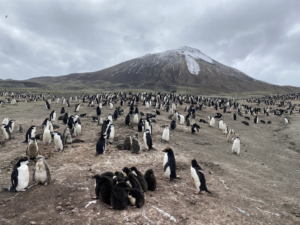
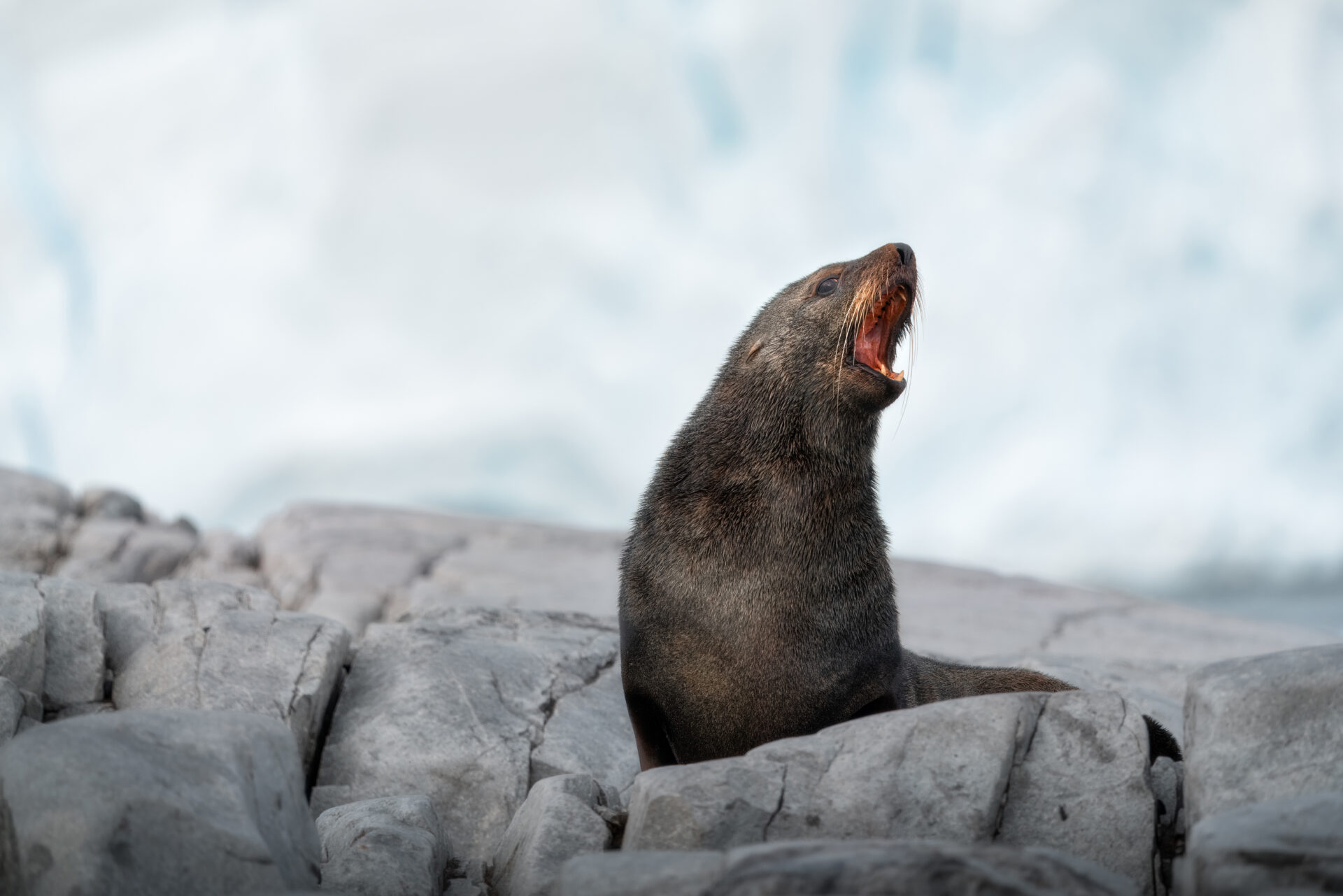
The southern elephant seal, meanwhile, has been uplisted from Least Concern to Vulnerable – not from warming directly, but from the disease it enables. Highly Pathogenic Avian Influenza has swept through four of the species’ five major subpopulations since spreading to mammals following a global surge in prevalence after 2020.
In some colonies, more than 90% of newborn pups have been killed. Adult females, which spend longer periods ashore, have been disproportionately affected.
“These assessments sound an alarm for all Antarctic seals, as we are concerned about how environmental changes are affecting all ice-dependent species. Monitoring of the effects of climate change in Antarctica is urgently needed. While logistically challenging and expensive to access this part of the world, the IUCN SSC Pinniped Specialist Group calls for the collection of more data on seals in the region by all of the Parties to the Treaty,” said Dr Kit Kovacs, Co-Chair of the IUCN SSC Pinniped Specialist Group.
Taken together, the three assessments paint a sobering portrait of an ecosystem under siege — one where the pressures of climate change are compounding faster than science can track and policy can respond.
“These important findings should spur us into action across all sectors and levels of society to decisively address climate change. The declines of the emperor penguin and Antarctic fur seal on the IUCN Red List are a wake-up call on the realities of climate change. As countries prepare to gather at the Antarctic Treaty Consultative Meeting in May, these assessments provide essential data to inform decisions regarding this majestic continent and its awe-inspiring wildlife,” said Dr Grethel Aguilar, IUCN Director General.
“Antarctica’s role as our planet’s ‘frozen guardian’ is irreplaceable – offering untold benefits to humans, stabilising the climate and providing refuge to unique wildlife.”
For BirdLife International, which coordinated the emperor penguin assessment, the message is unambiguous.
“Penguins are already among the most threatened birds on Earth. The emperor penguin’s move to Endangered is a stark warning: climate change is accelerating the extinction crisis before our eyes. Governments must act now to urgently decarbonise our economies,” said Martin Harper, CEO of BirdLife International.
The new assessments are available on the pre-publication page of the IUCN Red List, with full species profile updates due later this year.


"*" indicates required fields
Printed editions
Current issue
Back issues


Enjoy so much more from Oceanographic Magazine by becoming a subscriber.
A range of subscription options are available.
