Reef relief: $4.6m to strengthen Maunalua Bay’s coastal resilience
Mālama Maunalua has received $4.6 million to advance community-led ridge-to-reef restoration in Maunalua Bay, restoring forests, managing stormwater, and rebuilding climate-resilient coral reefs through large-scale partnerships, volunteer action, and science-based conservation across East Honolulu.
Significant new steps to reduce flooding, erosion, and land-based pollution while enhancing natural defences against sea level rise and climate-driven storms across Maunalua Bay in southern Hawai’i are now underway, thanks to a multi-million-dollar investment made by US federal and scientific agencies.
In something of a win for climate science, the Hawaiian non-profit community organisation Mālama Maunalua has secured a $4.6 million award from the National Fish and Wildlife Foundation’s National Coastal Resilience Fund to advance the next phase of its ridge-to-reef restoration strategy in Maunalua Bay.
The funding will support large-scale ecosystem restoration efforts aimed at reducing coastal threats while strengthening watershed and reef resilience across East Honolulu.
The initiative, Pipeline: Community-led Ridge to Reef Management to Mitigate Coastal Threats and Restore Watershed Habitats, brings together a broad partnership and will enable coordinated implementation of native forest restoration, green stormwater infrastructure, and climate-resilient coral restoration. It will also address the land-based sources of pollution while rebuilding critical marine habitats.
“This funding is transformational for Maunalua Bay and for our community,” said Doug Harper, executive director of Mālama Maunalua.
“For years, residents have witnessed the impacts of flooding, runoff, and declining coral health. This award allows us to activate a comprehensive, science-driven solution that restores native forests, improves stormwater management, and rebuilds our coral reefs with species resilient to future climate conditions. It is a major step forward for protecting our homes, our ecosystems, and our way of life.”

In other news
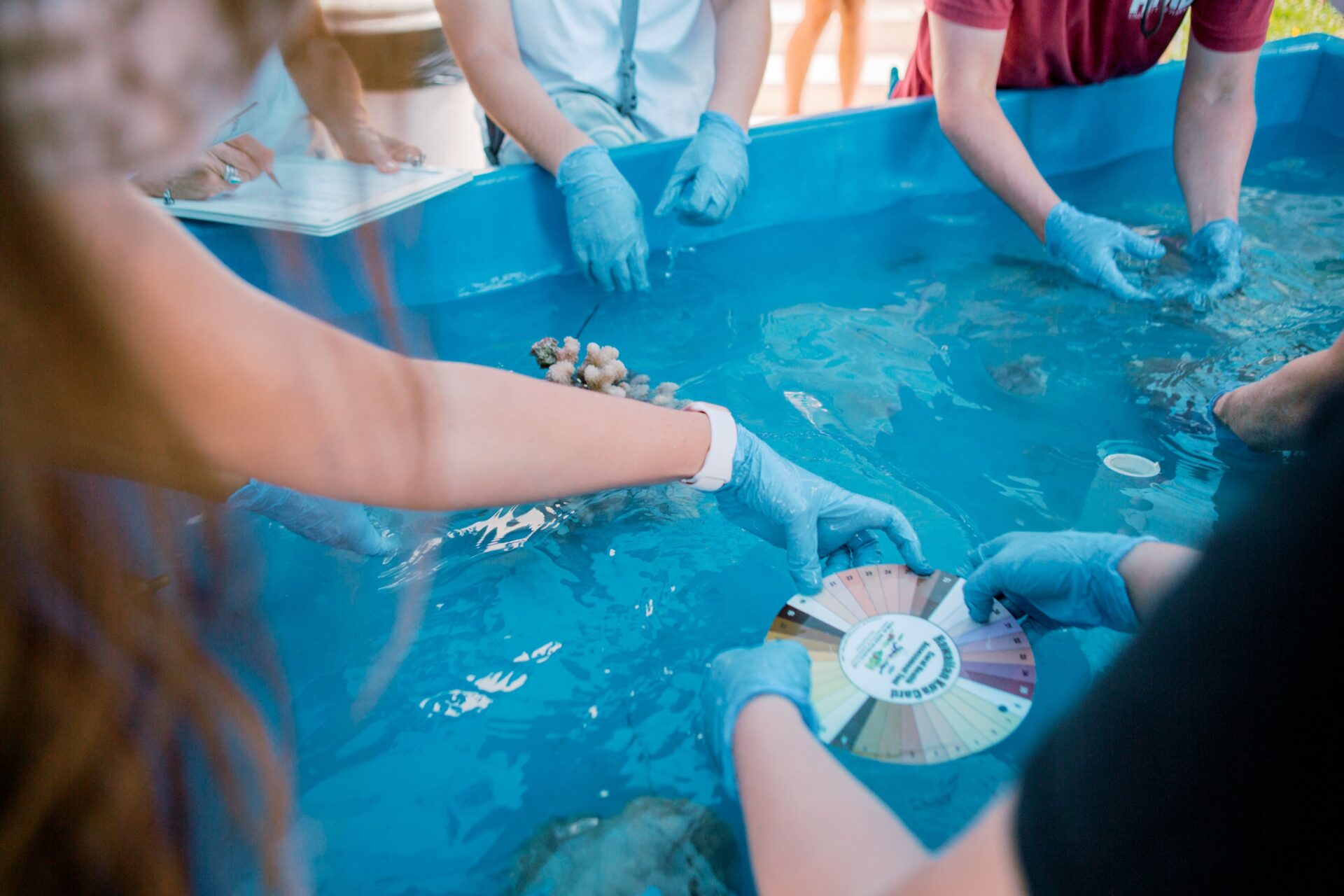
The investment represents one of the most comprehensive watershed-to-ocean conservation efforts in the region. Planned outcomes include the restoration of six acres of degraded forest, construction of four green infrastructure projects capable of capturing more than 850,000 gallons of stormwater runoff annually, and the outplanting of at least 3,000 thermally resilient coral fragments across 10 acres of reef.
Together, these actions are expected to significantly reduce flooding, erosion, and land-based pollution, while enhancing Maunalua Bay’s natural defences against sea level rise and climate-driven storms.
The project builds on years of collaboration among neighbourhood groups, local nonprofits, cultural practitioners, researchers, and government agencies. Community participation however, remains central to the approach. In fact, an estimated 3,000 volunteers are expected to take part in reforestation efforts, coral outplanting, and hands-on education and stewardship activities.
The programme also includes final design and permitting for a new regional native plant nursery, intended to address a critical limitation in large-scale restoration: the shortage of genetically appropriate native plants for East Honolulu.
“Our ridge-to-reef model is grounded in local leadership, indigenous knowledge, and collaboration,” Harper said. “This grant empowers thousands of volunteers, students, and partners to take part in restoring and stewarding Maunalua Bay for generations to come.”
Project implementation is scheduled to begin in early 2026 and continue through mid-2028. Planned activities include monthly volunteer restoration events, construction of green infrastructure demonstration projects at schools, commercial centres, and residential sites, coral propagation and outplanting through the Restore with Resilience programme, and ongoing educational workshops designed to expand local capacity in green infrastructure installation and maintenance.


"*" indicates required fields
Printed editions
Current issue
Back issues
Back Issues
Issue 43 Sir David Attenborough’s ‘Ocean’


Back Issues
Issue 41 Holdfast to the canopy
Enjoy so much more from Oceanographic Magazine by becoming a subscriber.
A range of subscription options are available.
