River health plays critical role in seabird conservation
A clear link has been found between the health of rivers and the success of seabird populations - suggesting conservationists should consider both terrestrial and marine environments together when planning seabird protection strategies
River health is crucial to seabird conservation, according to new research from Monash University in collaboration with Phillip Island Nature.
Researchers examined 51 scientific studies which looked at how river water flowing into the sea affects seabird behaviour, diet, health and population trends.
The results revealed that nearly nine out of 10 studies reported a clear link between river-influenced ocean environments and seabird ecology. This includes everything from impacting seabird’s food source, to their physical health and how successfully they breed.
The research comes at a time when both river health, and seabird conservation are under public scrutiny in the UK. Yesterday, a docudrama showcasing Britain’s river crisis aired on Channel 4, and campaigners have called for government reform to our water system to save our waterways.
Surfers against Sewage (SAS) have released a waterways tracker, to show sewage pollution across the UK.
Last week also saw the reporting of the mass death of seabirds across the UK.
Data from British Trust for Ornithology (BTO), gathered through its BirdTrack online reporting platform supported by the RSPB, indicate that the surge in seabird deaths began in late January. Since the start of February alone, observers have logged 150 dead Puffins, 27 Guillemots and 52 Razorbills, alongside nearly 100 additional seabirds including divers and sea ducks.

In other news




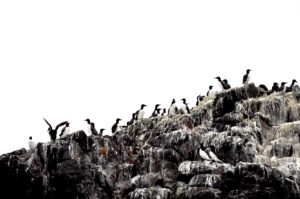

The cause of the so-called “seabird wreck” is under investigation. Recent winter storms have been partly attributed for creating exceptionally harsh foraging conditions, with birds ultimately succumbing to exhaustion and starvation.
The project lead on Monash University’s research Julia Morais said rivers shape coastal conditions by delivering nutrient pulses that sustain prey species and create foraging hotspots many seabirds depend on.
“Rivers act like arteries, fueling coastal food webs where seabirds feed. Our research shows that rivers influence seabirds not only by increasing food availability, but also by guiding where birds choose to forage and how they survive environmental changes,” Ms Morais said.
In February 2024, The Rivers Trust released their latest State of Rivers Report. They found that within England and Northern Ireland, no single stretch of river is in good health.
Professor Richard Reina, Head of the Ecophysiology and Conservation Research Group, said this new seabird conservation research highlights the need for scientists and policymakers to consider both terrestrial (freshwater) and marine environments together when planning conservation actions.
“As freshwater systems shift under climate change and human pressures, understanding these river-sea links will be critical for conserving seabirds and coastal ecosystems,” Professor Reina said.


"*" indicates required fields
Printed editions
Current issue
Back issues
Back Issues
Issue 43 Sir David Attenborough’s ‘Ocean’
Enjoy so much more from Oceanographic Magazine by becoming a subscriber.
A range of subscription options are available.