Scientists find vulnerable deep-sea ecosystem on Lord Howe Rise
Scientists have discovered ancient corals and fragile deep-sea life on a previously unexplored seamount on Lord Howe Rise, confirming it as a Vulnerable Marine Ecosystem and strengthening calls for a permanent bottom trawling ban.

New scientific research from Greenpeace has uncovered ancient and fragile corals on a previously unexplored seamount on the Lord Howe Rise in the South Pacific Ocean – a discovery scientists say confirms the site as a Vulnerable Marine Ecosystem and strengthens calls for permanent protection from destructive fishing.
The findings, gathered during a recent expedition led by Greenpeace Aotearoa, mark the first time the seamount has been scientifically surveyed. Researchers documented a thriving deep-sea community, revealing the ecological importance of an area that lies in international waters but has remained largely unknown to science.
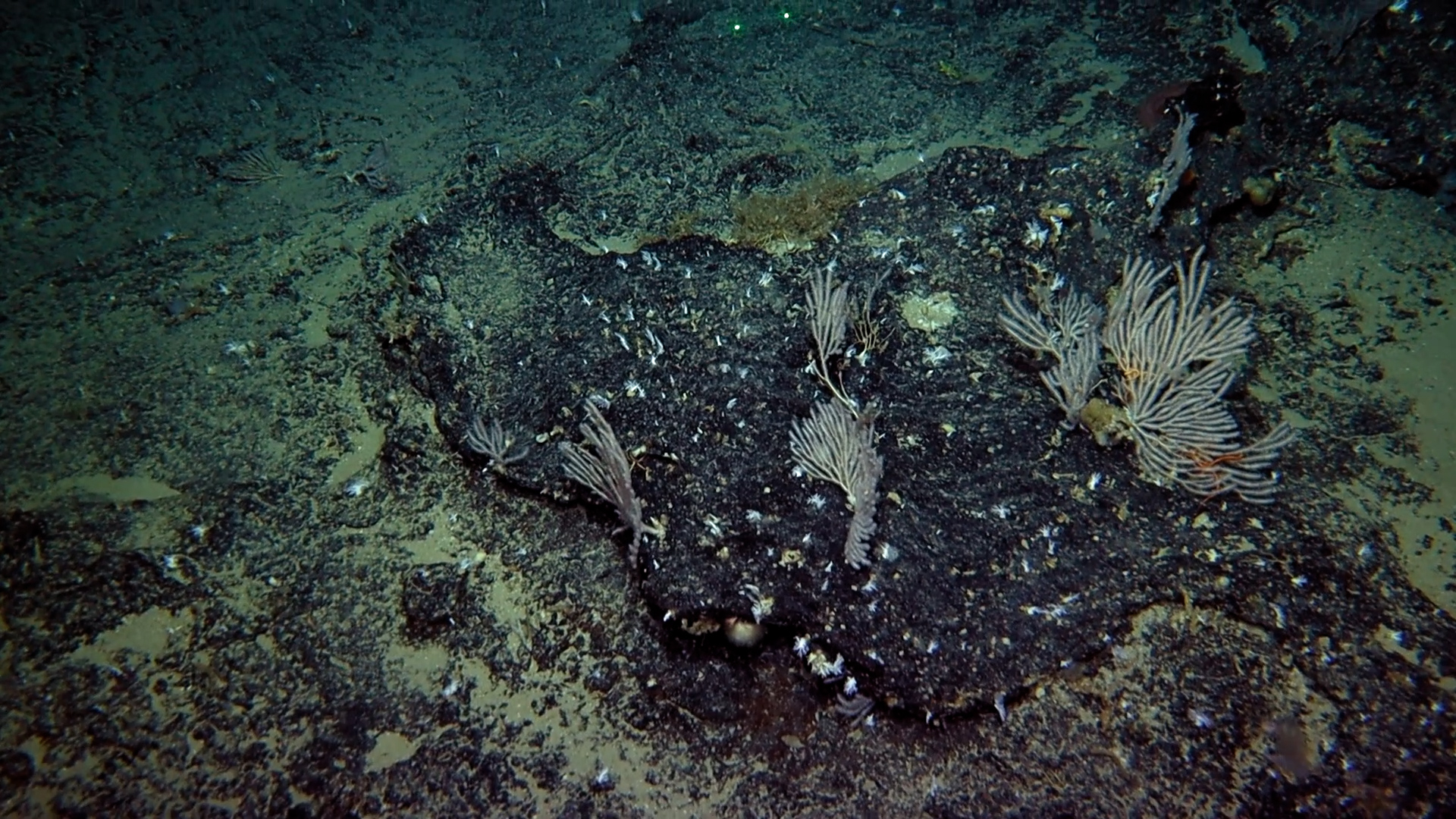
In a small section of the seamount alone, scientists catalogued 350 corals, sponges and other deep-sea species. Many of the organisms recorded are more than a century old, with some coral colonies reaching almost two metres in height.
The team observed a diverse range of slow-growing species including bamboo, golden, precious, stony, hydro and black corals, alongside sponges, sea lilies and anemones – all organisms known for their fragility and their vulnerability to disturbance.
According to international deep-sea fishing rules, the presence of such species can indicate a Vulnerable Marine Ecosystem (VME) – habitats that are rare, fragile, or structurally complex and that can suffer irreversible damage from human activities such as bottom trawling.
Campaigners say the discovery provides the evidence needed to ensure the seamount remains protected from the practice, widely considered one of the most destructive forms of industrial fishing.
Commenting, Greenpeace Aotearoa Ocean Campaigner Ellie Hooper who led the scientific expedition to Lord Howe Rise, said: “It was moving and awe-inspiring to see these vibrant corals and fragile sponges streamed up from the deep, but right now they face an uncertain future. If this site is reopened, these ancient species could be destroyed by New Zealand bottom trawlers in the next few years. And this discovery is just a tiny snapshot of life in the area.
“The New Zealand government must stop protecting the interests of industrial fishing companies and not attempt to reopen the area for bottom trawling. Every other nation has stopped this destructive practice in the region, are they not embarrassed to be the only ones left?
“We are now armed with the proof we needed that bottom trawling must be banned for good at Lord Howe Rise. It’s clear that this is a Vulnerable Marine Ecosystem so it’s crucial we act now to protect this fragile life in the deep from destruction.”

In other news
Despite its ecological significance, the Lord Howe Rise remains under pressure from industrial fishing interests.
The area was temporarily closed to bottom trawling in 2024 after the Tasman Viking hauled up 37 kilograms of coral during fishing operations – a sign of the rich deep-sea habitats present on the seamount.
However, the Government of New Zealand is expected to push for the area to be reopened to bottom trawling, a move campaigners warn could dredge up and destroy the fragile coral ecosystems recently documented by scientists.
At the same time, New Zealand has proposed increasing the amount of coral and other vulnerable deep-sea species that can be taken as bycatch on the high seas without penalty. The proposal was discussed this week at the annual meeting of the South Pacific Regional Fisheries Management Organisation, where Greenpeace presented the new findings from the expedition.
Under international agreements governing deep-sea fisheries, areas identified as Vulnerable Marine Ecosystems should be protected from bottom trawling due to their fragility, ecological importance and extremely slow recovery rates.
The discovery may also strengthen the case for wider protection. The Lord Howe Rise is currently being considered as a candidate site for one of the world’s first ocean sanctuaries under the Global Ocean Treaty, which entered into force earlier this year.


"*" indicates required fields
Printed editions
Current issue
Back issues
Enjoy so much more from Oceanographic Magazine by becoming a subscriber.
A range of subscription options are available.
