Warming seas are rewiring the Channel’s food web, spelling trouble for fish stocks, seabirds and marine mammals
Changing ocean chemistry is helping smaller plankton thrive while bigger species decline, a 35-year study off Plymouth has revealed
A new study using environmental DNA (eDNA) has uncovered how climate change is reshaping the zooplankton communities at the base of the marine food chain off Plymouth, with scientists warning of knock-on effects for commercial fish stocks and projected declines among seabirds and marine mammals.
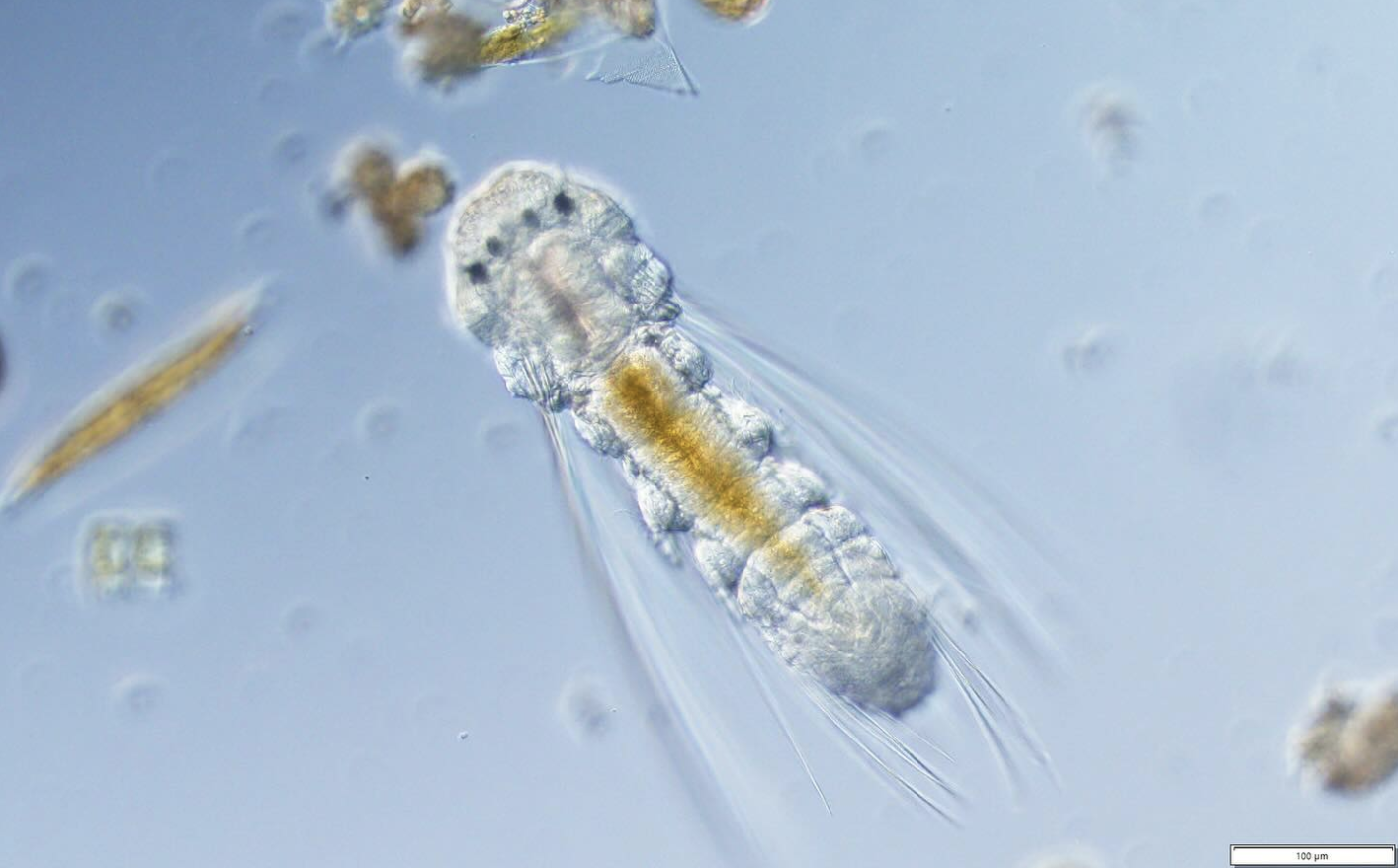
Zooplankton are tiny marine animals, like krill, arrow worms, or copepods, which eat plant-like phytoplankton. Phytoplankton are tiny plant-like organisms responsible for producing more than 50% of the Earth’s oxygen, while also absorbing and locking away carbon and regulating global climate.
Sometimes called the ‘cows of the sea’ Zooplankton are a key link in the food chain, converting the carbon fixed by photosynthesis in phytoplankton into essential food for consumers higher in the food chain such as fish.
“Plankton are often described as ‘sentinels of change’ and act as an early warning sign to us of things to come. These huge shifts will result in a domino effect on the wider marine food web, and indeed, us as humans,” said Dr Karen Tait, lead author of the study.
Worryingly, for decades, scientists have observed widespread declines in some key zooplankton groups, particularly copepods, across parts of the North-East Atlantic.
So scientists from Plymouth Marine Laboratory combined 35 years of traditional zooplankton microscope records with 11 years of environmental DNA (eDNA) data from seawater samples about six nautical miles south of Plymouth, UK to get a better picture of how – and importantly why – plankton have changed.

In other news



The findings showed significant shifts in the chemical composition of the ocean, which influenced the plankton community that depend on it, suggesting that plankton survival depended on how they feed in response to declining nutrient availability.
The system seems to have changed from one where larger phytoplankton and copepods were dominant, to one where plankton which can efficiently survive on small particles are more successful.
“This shift could have far-reaching consequences: reducing the quality of food available to marine life, affecting fish size and populations, changing fisheries productivity, and even altering how much carbon sinks into the deep ocean.”
EDNA, researchers said, was an important complementary technique, offering a secondary data set which records what type of plankton in the water, complementing traditional microscopy which measures the abundance of plankton in the water.
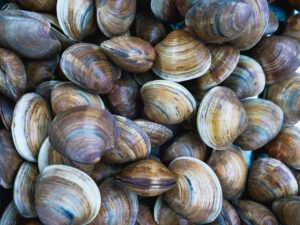
For instance, eDNA was much more beneficial when it came to studying meroplankton – a name for the young stage of many marine animals, which spend the first part of their lives as plankton, drifting in the sea before developing into adult animals. Examples include juvenile crabs, lobsters, worms, corals, octopus or fish.
“The molecular data revealed a diverse range of meroplankton, including polychaete worms, sea squirts, shellfish, sea urchins, brittle stars, ribbon worms and other invertebrates. This additional level of detail allowed us to investigate an important ecological question: which types of meroplankton are actually increasing, and why is it they are doing so well?” said Dr Tait.
“What’s exciting here is that eDNA doesn’t compete with traditional monitoring, it enhances it. Together they give us a much stronger foundation for understanding change,” she added.
Click here for more from the Oceanographic newsroom


"*" indicates required fields
Printed editions
Current issue
Back issues
Enjoy so much more from Oceanographic Magazine by becoming a subscriber.
A range of subscription options are available.