Scotland charity's record survival rates in seagrass transplant trials
Seagrass meadows provide critical habitat for marine biodiversity and act as significant carbon sinks, yet they have been in alarming decline since the 1900s and traditional restoration methods have struggled to establish extensive seagrass cover.

Scotland’s first community-based marine conservation charity, Seawilding, has reported a major advance in the restoration of seagrass (Zostera marina), the ocean’s only flowering plant.
Using an innovative method that transplants adult seagrass shoots rather than planting seeds, the organisation has seen seabed coverage soar from 10% to 70% in just 15 months, with a survival rate of 97% in a recent trial. It’s an achievement that represents one of the most successful seagrass habitat restorations in the UK to date.
Seagrass meadows provide critical habitat for marine biodiversity and act as significant carbon sinks, yet they have been in alarming decline since the 1900s. To date, traditional restoration efforts, often reliant on sowing seeds, have struggled to establish extensive, resilient meadows.
Over the past decade, UK restoration initiatives have yielded limited success, with few examples of large-scale seagrass establishment. Since 2024, Seawilding has pursued a different approach: transplanting tens of thousands of adult shoots from existing “donor” meadows.
The results have been striking. A site planted in July 2024 saw seabed coverage jump from 10% to over 70% within 15 months. Another 2025 trial achieved a 97% survival rate and a four-fold increase in seabed coverage within just six months.
In other news
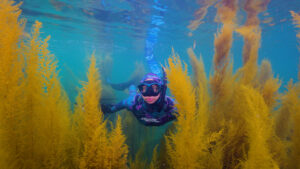
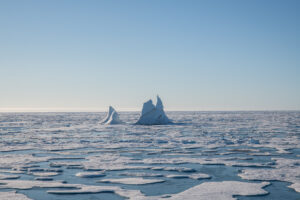
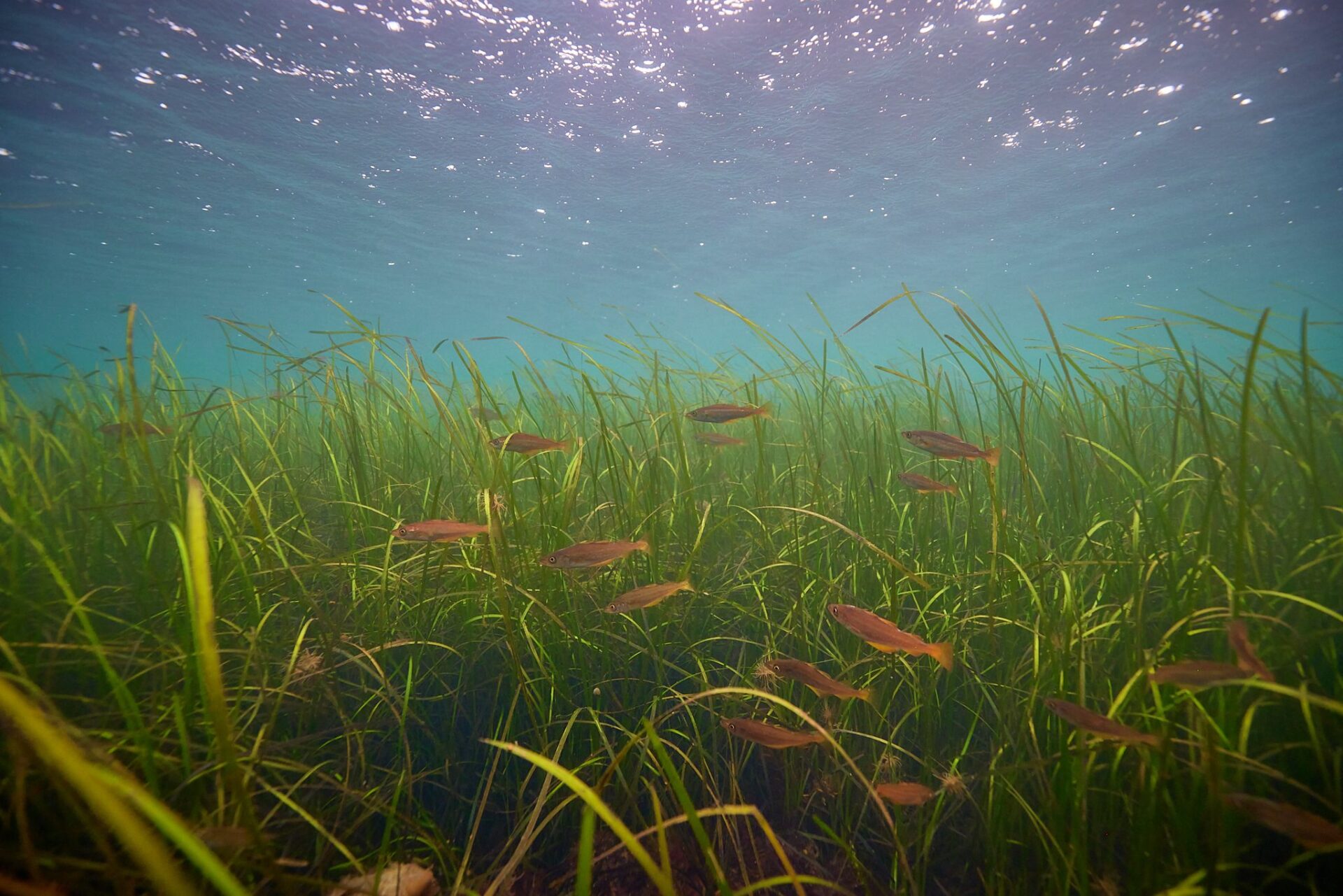
In total, Seawilding has created 0.3 hectares of new seagrass habitat, with minimal impact on donor meadows. Even areas where 25% of shoots were harvested returned to near-natural densities within five months.
“This is an exciting breakthrough,” said Will Goudy, Seawilding’s Seagrass Lead. “After five years of testing multiple methods, many of which failed, we’re finally proving that seagrass can be restored at scale.”
The charity plans to build on this success by improving the efficiency of harvesting and planting techniques and expanding trials to new locations. Full details of Seawilding’s findings will be released in their annual report later this year.
With this innovative approach, Seawilding is not only restoring seagrass but also demonstrating a replicable method that could help reverse decades of marine habitat decline in the UK.


"*" indicates required fields
Printed editions
Current issue
Back issues


Enjoy so much more from Oceanographic Magazine by becoming a subscriber.
A range of subscription options are available.
