Sea levels higher than previously thought, putting millions more at risk
New analysis shows a methodological blindspot which means average levels are roughly 30cm higher than previously thought
Sea levels are much higher than previously thought, which could significantly affect current estimates of the impact of global warming and its impact on coastal settlements, according to new research.
The findings from the Wageningen University & Research and published in Nature, are based on researchers analysing 385 peer-reviewed scientific studies released between 2009 and 2025.
They calculated the difference between the commonly assumed coastal sea levels, and the actual sea levels.
Authors Dr Philip Minderhoud of Wageningen University in the Netherlands and PhD researcher Katharina Seeger found about 90% of studies underestimated baseline coastal water heights by an average of 30 centimeters – with some discrepancies as much as 550-760cm.
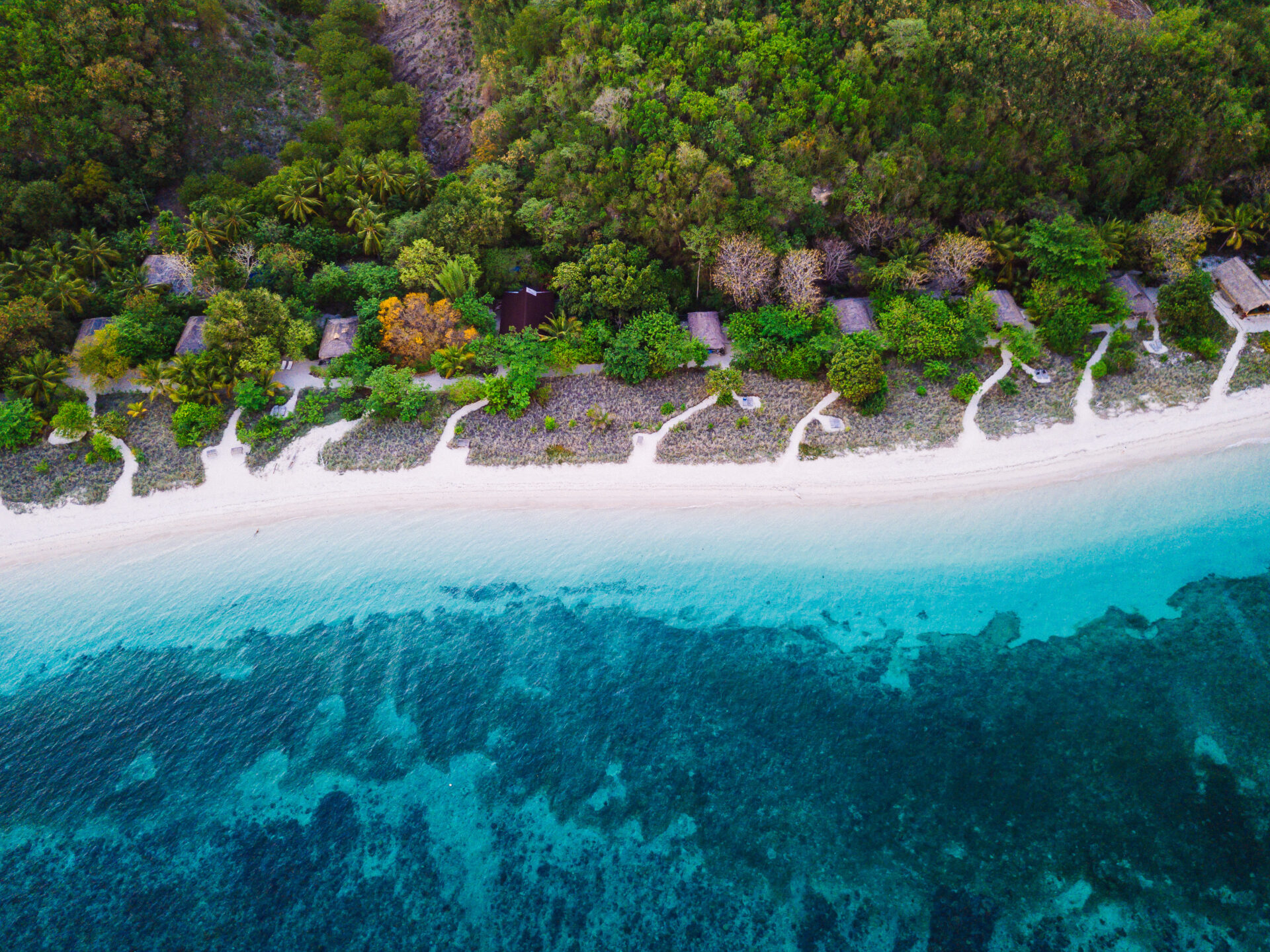
In some areas in the global south, including south east Asia and the Indo-Pacific, sea levels may be 100cm-150cm higher than previously thought.
Minderhoud posits this is due to a methodological blindspot in how land and sea altitudes are measured.
More than 90% of the studies they analysed did not use local, direct measurements of sea levels but instead used land elevation measurements referenced against global geoid models.
Factors like the wind, currents and tide – which remain unaccounted for in global geoid models – meant that these measurements underestimated baseline coastal heights.
The findings come as a new UNESCO report warns of major gaps in understanding how much carbon the ocean absorbs. That report said that models differ by 10% to 20% in estimating the size of that carbon sink, raising questions about the accuracy of global climate projections that rely on them.

In other news


Calculations according to updated measurements mean that if seas rise by one metre, 37% of coastal areas face being submerged, threatening up to 132 million more people.
Anders Levermann, a climate scientist at the Potsdam Institute for Climate Impacts Research in Germany, said about the study: “You have a lot of people here for whom the risk of extreme flooding is much higher than people thought.”
He added that Southeast Asia, where the study finds the biggest discrepancy, has the most people already threatened by sea level rise.
Researchers have said the study highlights the need for re-evaluation of existing coastal impact assessments and improvement of research community standards, with possible implications for policymakers, climate finance and coastal adaptation.
Seventeen-year-old climate activist Vepaiamele Trief lives on her island home in the South Pacific archipelago of Vanuatu.
She is acutely aware of the impact of sea level changes, noting that the shoreline has visibly retreated in her lifetime. On her grandmother’s island of Ambae, a coastal road from the airport to her village has been rerouted inland because of encroaching water.
“These studies, they aren’t just words on a paper. They aren’t just numbers. They’re people’s actual livelihoods,” she said. “Put yourself in the shoes of our coastal communities – their lives are going to be completely overturned because of sea level rise and climate change.”


"*" indicates required fields
Printed editions
Current issue
Back issues

Enjoy so much more from Oceanographic Magazine by becoming a subscriber.
A range of subscription options are available.
