Solar-powered fishing nets are reducing sea turtle bycatch 63%
In a study recently published in Conservation Letters, a team at Arizona State University's School of Ocean Futures found that nets equipped with solar-powered, flashing LED buoys reduced sea turtle bycatch by 63% compared to traditional unlit nets.

In a coastal fishing village off Mexico’s Gulf of California, a quiet innovation is reshaping how small-scale fisheries interact with marine life. Developed through a collaboration between Arizona State University researchers and local gillnet fishers, new solar-powered lighted buoys are showing great promise in preventing endangered sea turtles from becoming accidental victims of fishing gear.
In a study recently published in Conservation Letters, marine biologist Dr. Jesse Senko and his team at Arizona State University’s School of Ocean Futures found that nets equipped with solar-powered, flashing LED buoys reduced sea turtle bycatch by 63% compared to traditional unlit nets.
Critically, it was found the lights did not reduce the catch of targeted species such as yellowtail an that, if anything, catch rates were slightly higher, though not statistically significant.
“It’s a win-win,” said Senko. “You get a light that lasts significantly longer without the need for disposable batteries, and you also get a proven reduction in bycatch – one of the greatest threats to sea turtles worldwide.”
The idea was born not in a laboratory, but on the deck of a fishing boat. Juan Pablo Cuevas Amador and his brother Felipe, seasoned fishers from Baja California, set out to find a solution that was durable, practical, and effective. It was a mission that brought them into a close collaborative project with Senko’s team to design, test, and refine the solar buoys.
“They listened to us,” said Juan Pablo. “They gave us the freedom to give our opinions and make modifications. With what they know, and what we know, we can do really interesting things.”
The result was a lightweight, low-profile solar buoy that attaches to the float line like any standard buoy. The integrated LED flashes on and off to conserve energy and can operate for more than five days even in total darkness.
In other news

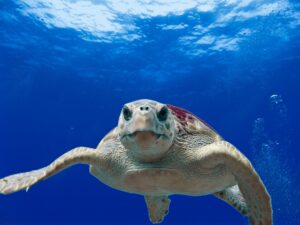
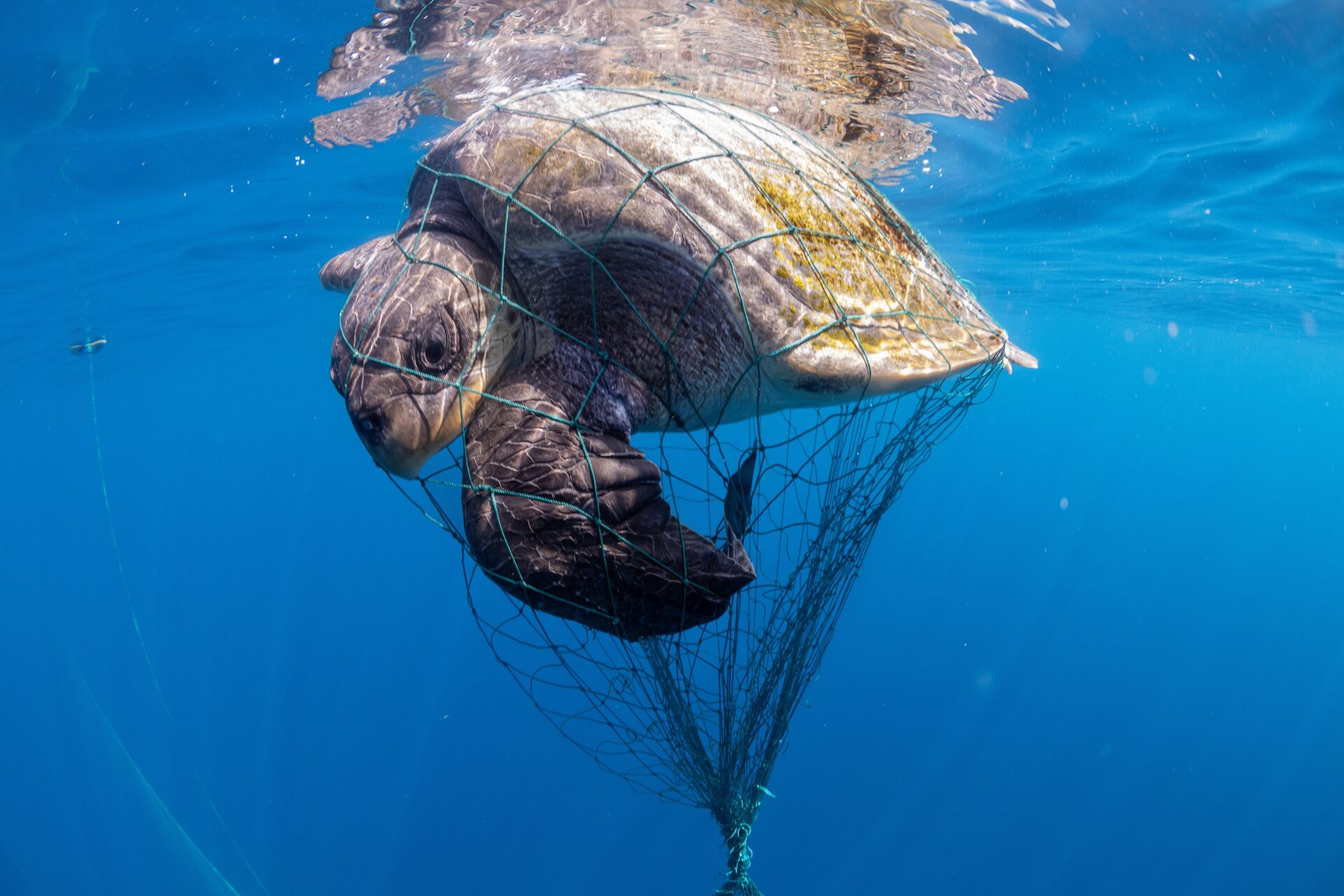
Bycatch is one of the leading threats to sea turtles globally, alongside climate change, habitat loss, and marine pollution. Despite decades of conservation efforts, many sea turtle populations remain at a fraction of their historical abundance.
“Sea turtles play an irreplaceable role in marine ecosystems,” said Senko. “They help maintain the health of seagrass beds and coral reefs. Protecting them isn’t just about saving an iconic species – it’s about ensuring the long-term resilience of our oceans.”
The Senko Lab is now extending this work to coastal North Carolina, where researchers are collaborating with fishers to reduce bycatch in pound nets – stationary, bottom-anchored systems that funnel fish into traps. Using custom underwater video systems and data recorders, the team is gaining unprecedented insights into how sea turtles interact with illuminated fishing gear.
“We’re seeing behaviours we’ve never seen before,” said Senko. “And those observations are key to designing even better deterrents in the future.”
Senko’s team is now also working with the UK-based gear manufacturer Fishtek Marine to bring the solar-powered buoys to market. With commercial production potentially just two to three years away, the hope is that conservation organisations and government bodies will step in with grants or subsidies to help small-scale fishers make the switch.
“A 63% reduction in sea turtle bycatch is a magnificent starting point,” said Senko. “But my goal is to take that to 95%. And we’ll get there – by listening to fishers, working alongside them, and building solutions that meet their needs as much as the ocean’s.”


"*" indicates required fields
Printed editions
Current issue
Back issues
Enjoy so much more from Oceanographic Magazine by becoming a subscriber.
A range of subscription options are available.
