Souring seas: Ocean acidification threatens the world's food supply
A new UCL-led study finds that ocean acidification and blue food security are governed in near-total isolation internationally, despite overlapping policy domains and mounting risks to communities most dependent on the sea.
International frameworks designed to protect both the ocean and global food security are failing to address one of the most consequential intersections in modern environmental governance – the growing threat that ocean acidification poses to the world’s blue food systems.
A new report, published in Environmental Research: Food Systems, and compiled by a team from UCL, the University of Colorado Boulder and the International Alliance to Combat Ocean Acidification, has mapped the international governance landscape across both the climate issue and the global food system.
It has found that – despite the significant overlap between the two policy domains – they are almost never addressed together.
“And without coordinated action across climate and food systems, the growing impacts of ocean acidification will continue to undermine fisheries and aquaculture that underpin global nutrition and livelihoods,” said Annika Frosch, lead author and Research Fellow at the UCL Energy Institute Shipping and Oceans Research Group.
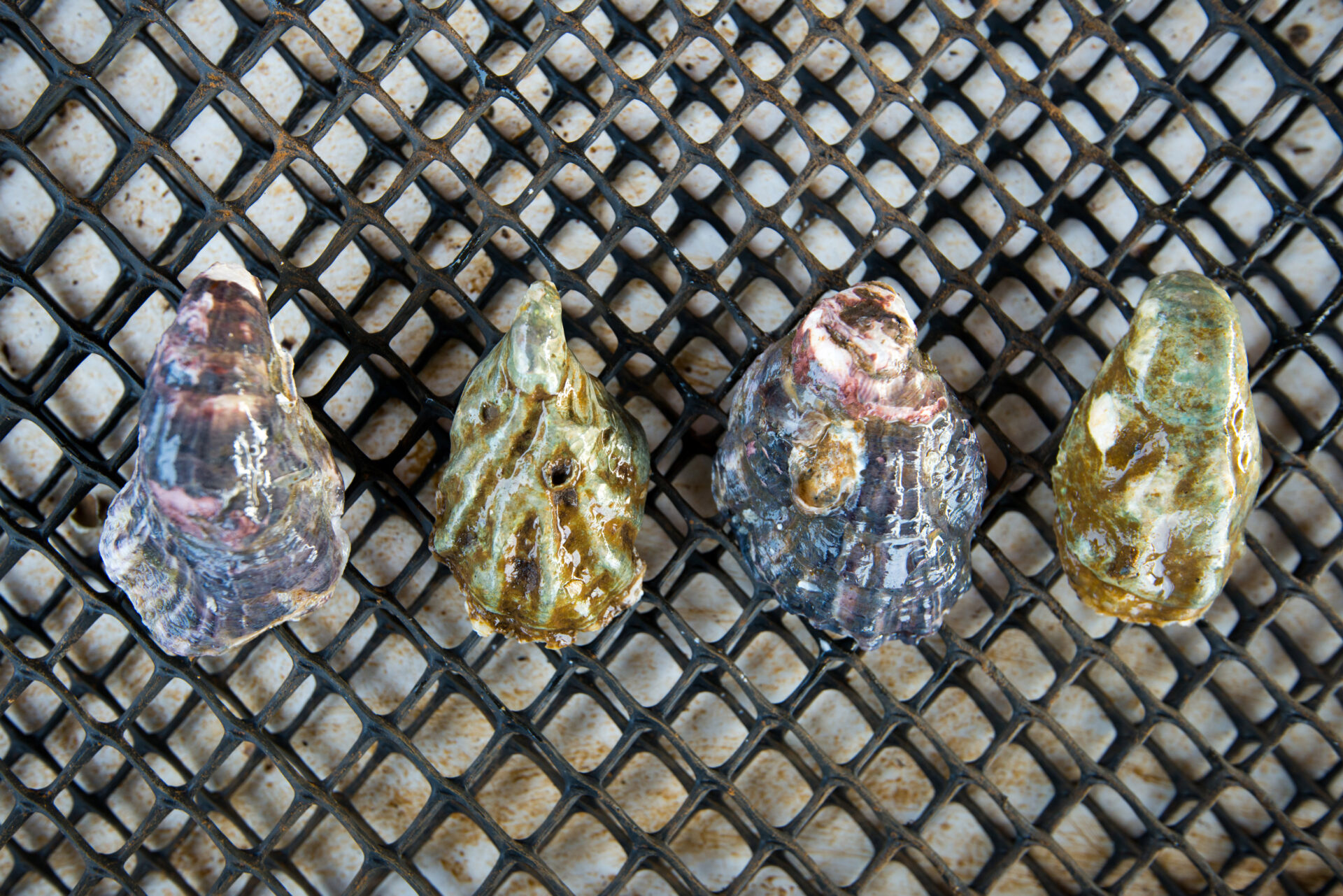
‘Blue’ foods such as fish, shellfish and algae sourced from marine and freshwater environments, provide essential nutrition to millions of people worldwide, and global consumption has grown more than fivefold over the past 60 years. Ocean acidification, driven primarily by rising CO₂ emissions, is already degrading the systems that produce them: harming shellfish aquaculture, disrupting fisheries, eroding coral reef ecosystems, and altering the nutritional quality and safety of seafood.
The communities most exposed to these risks – those in the Global South who rely most heavily on blue foods for daily protein – are also those receiving the least research attention and policy support.
Using a structured review of international governance literature and a thematic mapping exercise, the researchers identified 13 policy domains relevant to blue food security and ten relevant to ocean acidification, seven of which overlap – including fisheries and aquaculture, biodiversity, climate change and land-based pollution. Despite that overlap, the study finds that the two issues continue to be treated in near-total isolation by the institutions best placed to address them together.

In other news



The examination of two central bodies – the Food and Agriculture Organization and the UN Framework Convention on Climate Change – illustrates the problem. The FAO lacks an explicit mandate to govern ocean acidification; when it appears in FAO instruments at all, it is typically buried in a longer list of climate stressors rather than treated as a direct and distinct threat to food security.
The UNFCCC, meanwhile, addresses ocean acidification only indirectly through its broader CO₂ mitigation goals – neither the convention nor the Paris Agreement explicitly names it, and it does not feature as a core governance priority. Food security is referenced in UNFCCC objectives, but is not linked to ocean acidification even in documents that mention both.
The result is a structural mismatch that the study’s authors describe as a troubling asymmetry: blue food security tends to attract legal and political recognition, while ocean acidification remains largely confined to scientific discourse.
“Our findings suggest that ocean acidification remains more visible in scientific discussions than in international policy frameworks,” said Keiko Nomura, co-author and Postdoctoral Researcher at the University of Colorado Boulder. “Bridging this science-policy divide could help improve governance of climate risks to blue food systems.”
The paper sets out a series of recommendations for policymakers. These include strengthening FAO instruments to treat ocean acidification as a distinct climate-related stressor to fisheries and aquaculture – including through binding policies and vulnerability thresholds for key species – developing a dedicated ocean acidification workstream under the UNFCCC, and incentivising countries to include ocean acidification monitoring and adaptation in their Nationally Determined Contributions.
The researchers also call for formal institutional links between climate bodies and marine science and fisheries organisations, modelled on existing multilateral cooperation frameworks.
“The siloed recognition and approach to ocean acidification and blue food security hinders effective governance of both issues,” said Inken Dressler, co-author and European Programme Lead at the International Alliance to Combat Ocean Acidification. “To bridge this gap, closer cooperation between existing frameworks such as the UNFCCC and FAO must be achieved.”
Several Pacific Island nations – including Fiji and the Solomon Islands – are leading the way by integrating ocean acidification into their national climate strategies and fisheries management plans, demonstrating that the institutional siloes identified in the study are not inevitable.
The research accompanies a new book by lead author Dr Frosch, Navigating the Souring Seas: The Global Experimentalist Governance of Ocean Acidification, which explores how ocean acidification is being addressed at the global level, tracing the intersection of science, law and international policy across the institutions charged with responding to it.


"*" indicates required fields
Printed editions
Current issue
Back issues
Enjoy so much more from Oceanographic Magazine by becoming a subscriber.
A range of subscription options are available.