South Taranaki seabed mining proposal declined in draft ruling
The Fast Track Panel has issued a draft decision rejecting Trans Tasman Resources’ South Taranaki seabed mining proposal, citing significant risks to marine mammals and ecosystems. Campaigners hailed the ruling as a victory for conservation and coastal communities.
Campaigners are welcoming a major setback for seabed mining in Aotearoa New Zealand after the Fast Track Panel released a draft decision declining Trans Tasman Resources’ application to mine the South Taranaki seabed.
The draft decision was published at 6pm this evening, marking a significant moment in a legal and political battle that has spanned more than a decade. Environmental groups, iwi, local authorities and fishing communities have long opposed the proposal, citing risks to marine ecosystems and coastal livelihoods.
“This is a victory for the moana, for all the people across Taranaki and Aotearoa, from Iwi and hapu and councils and everyone who loves our ocean,” said Kiwis Against Seabed Mining (KASM) chairperson Cindy Baxter.
KASM has been challenging the project since 2013, including taking the case to the Supreme Court, before it was reconsidered under the government’s Fast Track consenting process. Baxter said the latest decision underscored the project’s fundamental flaws.
“We’ve been fighting this ridiculous proposal since 2013, all the way to the Supreme Court, and back to the Fast Track, and it doesn’t matter how many times the government tries to help this company with ever more lenient legislation, it simply doesn’t pass muster.”
She added that the ruling should prompt a broader policy shift away from extractive activities on the seabed.
“This activity has been shown time and time again to be utterly inappropriate in the 21st century and it’s time for Aotearoa to move to a full ban on seabed mining.”

In other news



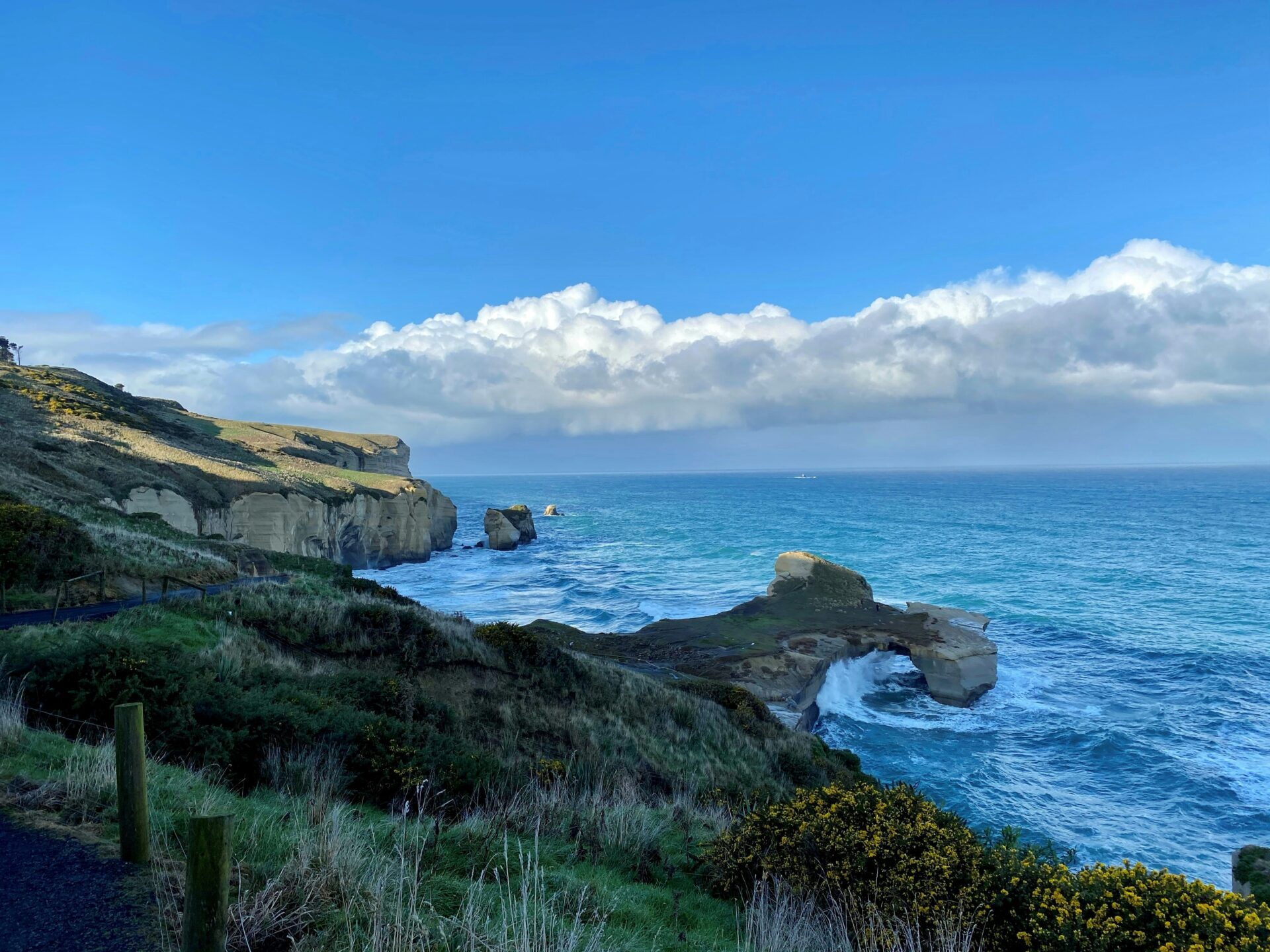
The Fast Track Panel’s draft decision highlights significant environmental concerns associated with the proposed operation, particularly its potential impacts on marine life in the South Taranaki Bight.
In excerpts from the decision, the Panel noted:
“The South Taranaki Bight is an ecologically important area for marine mammals, including 12 threatened taonga species. The Panel has identified underwater noise, sediment plume effects, and cumulative impacts as credible risks and has found that for highly vulnerable species any additional impact would be unsustainable and cannot be reliably avoided or remedied through conditions.”
The Panel concluded that the project’s harms outweighed its potential benefits, stating: “The Panel has reached the view that the adverse impacts …are sufficiently significant to be out of proportion to the project’s regional or national benefits.”
The draft decision is not yet final, but opponents of the project say it sends a clear signal about the limits of seabed mining in ecologically sensitive waters – and the growing recognition of ocean protection as a national priority.


"*" indicates required fields
Printed editions
Current issue
Back issues


Enjoy so much more from Oceanographic Magazine by becoming a subscriber.
A range of subscription options are available.
