The 100-year plastic problem: Ocean plastics could linger a century
A new model simulating how plastic interacts with marine snow suggests that the slow degradation of large plastic pieces - not rapid sinking - is the main bottleneck in preventing ocean surface pollution clean-up.

Even if the world stopped adding plastic to the ocean today, it would take more than a century for the surface to clear. That’s the sobering conclusion of a new study by scientists from Queen Mary University of London, who have developed a simple but powerful model to trace how buoyant plastic slowly sinks through the ocean over time.
Published in Philosophical Transactions of the Royal Society A, the paper completes a trilogy of studies that together chart the journey of microplastics from the ocean’s surface to its depths. The research, led by the Department of Geography and Environmental Science at Queen Mary in collaboration with HR Wallingford Ltd, integrates marine geochemistry, fluid dynamics and environmental modelling to explore the long-term fate of plastic pollution.
Their results paint a picture of staggering persistence. The team found that even if plastic inputs to the sea ceased immediately, fragments of floating plastic debris would continue to pollute the surface and shed microplastics for more than 100 years.
“People often assume that plastic in the ocean just sinks or disappears,” says lead author Dr Nan Wu. “But our model shows that most large, buoyant plastics degrade very slowly at the surface, fragmenting into smaller pieces over decades.
“These tiny fragments eventually hitch a ride with ‘marine snow’ – the sticky organic particles that drift down through the water column – but that process takes time. Even after a century, about 10 percent of the original plastic could still be floating.”
The model simulates how plastic interacts with marine snow, which plays a key role in transporting debris to the deep sea. The results suggest that the slow degradation of large plastic pieces – not rapid sinking – is the main bottleneck preventing ocean surface clean-up.
These findings help explain one of the ocean’s enduring mysteries, one that has been nicknamed the “missing plastic” problem. Despite the huge volumes of buoyant plastic estimated to enter the ocean every year, only a fraction is observed floating at the surface.
In other news





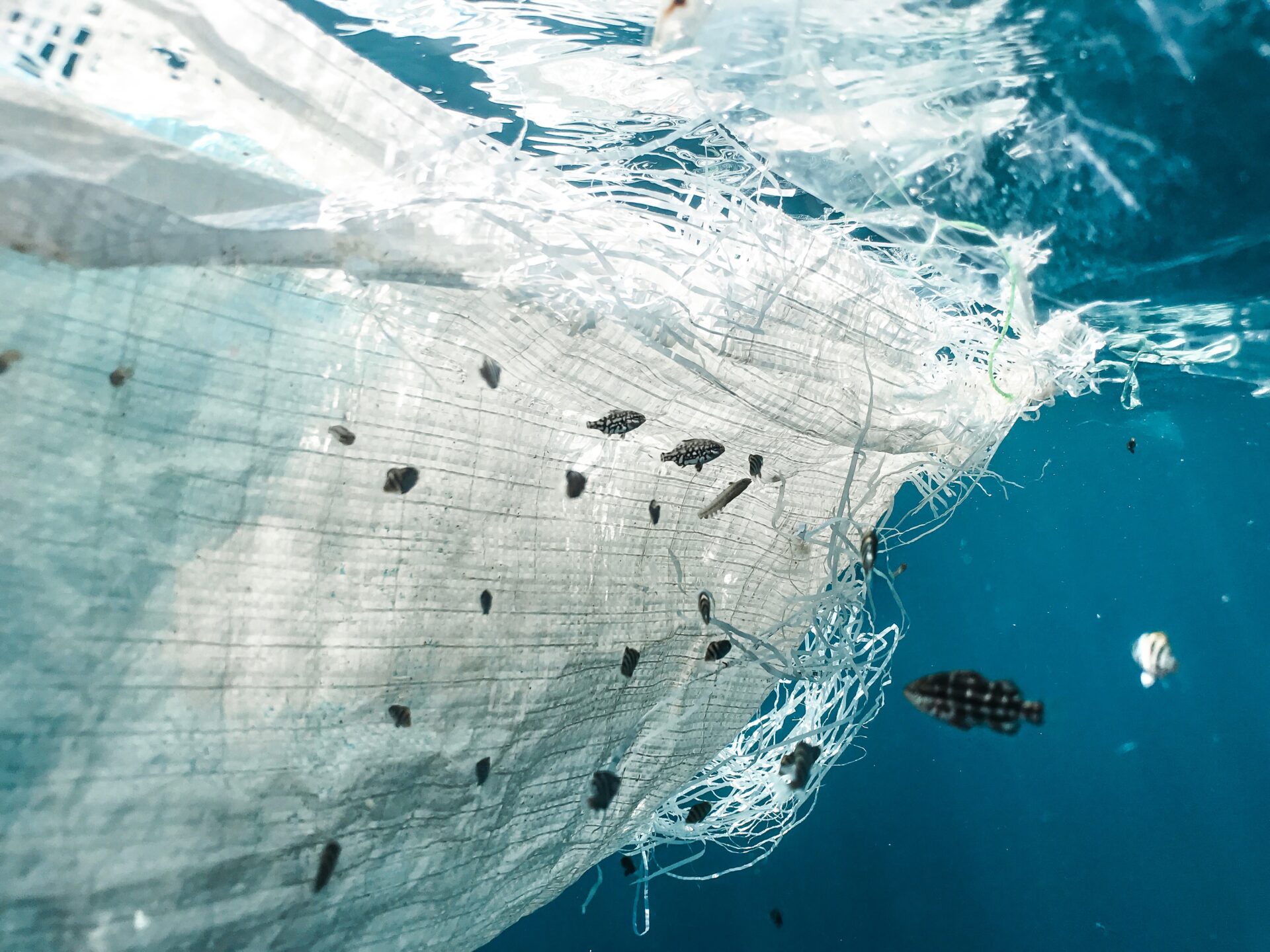
“Our work shows that microplastic pollution is an intergenerational problem,” says Professor Kate Spencer, co-author and project supervisor. “Even if we stopped all plastic pollution tomorrow, our grandchildren would still be dealing with the consequences.
“Fine, sticky sediments and biological processes play a crucial role in controlling how these tiny particles move – but it all happens over very long timescales.”
Professor Andrew Manning, Principal Scientist at HR Wallingford and Associate Professor at the University of Plymouth, adds that the findings underline the need for long-term strategies rather than short-term fixes.
“As large plastics fragment, they become small enough to attach to marine snow and sink,” he explains. “But that transformation can take decades. Even after 100 years, fragments remain at the surface, still breaking down. Tackling ocean plastics means thinking on century-long timescales, not just skimming debris from the top.”
The study also raises concerns about the ocean’s “biological pump” – the natural process that moves carbon and organic matter to the deep sea. As microplastic concentrations rise, the researchers warn, this system could become increasingly burdened, potentially altering marine biogeochemical cycles.
Plastic may float, but it doesn’t fade fast. The ocean’s memory of our waste, it seems, will linger for generations to come.


"*" indicates required fields
Printed editions
Current issue
Back issues



Enjoy so much more from Oceanographic Magazine by becoming a subscriber.
A range of subscription options are available.
