UK sea level rising faster than global average.. and it's speeding up
According to the latest State of the UK Climate report, UK sea levels have risen by 13.4cm over the last 32 years, higher than the global estimate of 10.6cm - suggesting the UK sea level is rising faster than the global average... and is accelerating.
The UK sea level is rising faster than the global average, presenting a growing threat to British coastal areas, particularly in times of extreme weather events such as storms that often occur in the spring time.
In a new report entitled the State of the UK Climate, the Royal Meteorological Society has for the first time reported on the UK’s rising sea levels which – since 1901 – has risen by about 19.5 cm. Two thirds of this rise has occurred in just over the last three decades.
In fact, over the past 32 years from 1993 to 2024, the UK’s sea level has risen by 13.4cm, higher than the global estimate of 10.6cm – suggesting that UK sea level is rising faster than the global average. According to the researchers behind the report, it’s also accelerating.
The warning has been issued amid the release of this year’s State of UK Climate in which scientists have also confirmed that record-breaking and extreme weather has become increasingly commonplace in the UK, something that is symptomatic – say researchers – of the way in which the UK’s average climate has shifted over the last few decades.
In this new assessment of the UK’s climate, baselines have shifted, records are becoming more frequent, and temperature and rainfall extremes are becoming the norm. And scientists have issued a stark warning that this is all the result of emissions-induced climate change.
The last three years have been in the UK’s top five warmest on record, with 2024 being the fourth warmest year in records dating back to 1884. In 2024 specifically, we saw the UK’s second warmest February , warmest May, fifth warmest December, fifth warmest winder and warmest spring on record.
Statistics like this are typical of recent years in the UK’s climate records and some of these have already been surpassed in 2025.
The report shows how the UK has warmed at a rate of approximately 0.25°C per decade since the 1980s, with the most recent decade (2015 to 2024) measuring at 1.24°C warmer than the years between 1961 and 1990.
In other news




“Every year that goes by is another upward step on the warming trajectory our climate is on,’ said Mike Kendon, Met Office Climate Scientist and lead author of the State of the UK Climate report. “Observations show that our climate in the UK is now notably different to what it was just a few decades ago. We are now seeing records being broken very frequently as we see temperature and rainfall extremes being the most affected by our changing climate.
“Numerous studies have shown how human emissions of greenhouse gasses are warming the atmosphere and changing the weather we experience on the ground. Our climate in the UK is now different to what it was just a few decades ago, this is clear from our observations.”
As in recent years, floods and storms brought the worst severe weather impacts to the UK in 2024. Met Office scientists have warned that the climate is likely to continue to change and we now need to prepare for the impacts this will have on the weather we experience on the ground.
UK near-coast sea surface temperatures have been – on average – 0.3°C warmer than a decade ago and nearly a degree warmer than 1981 to 1990. Five of the ten warmest years for these sea surface temperatures have occurred in the most recent decade (2015 to 2024).
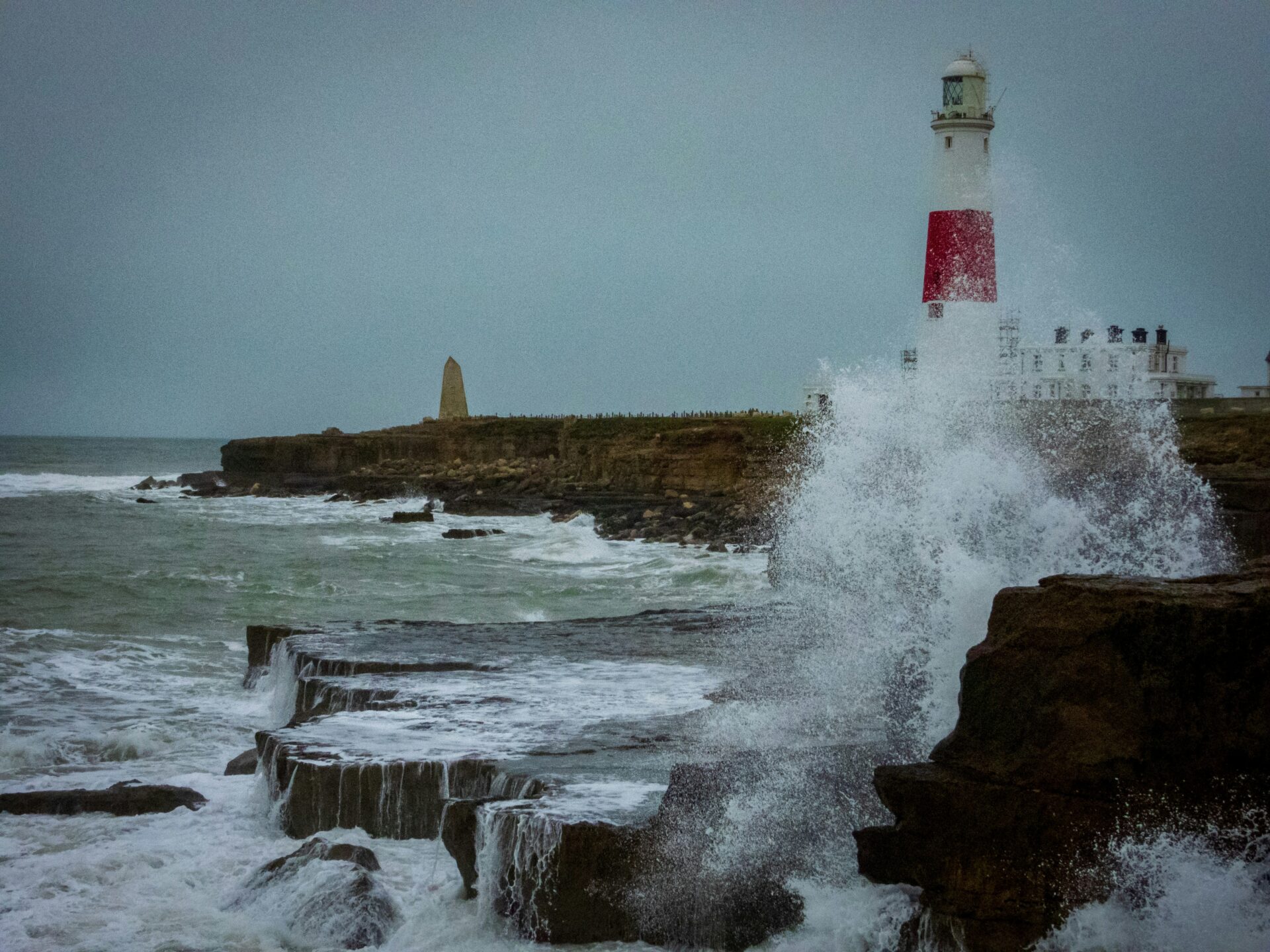
When it comes to the rise in UK sea levels, tide gauge records kept since the 1900s provide observational evidence that around the UK, it is accelerating. Looking at 2024 specifically, the most extreme sea levels were associated with Storm Kathleen in early April, which coincided with spring tides and was influenced by high background average sea levels.
Last year, the Thames Barrier carried out 11 operational flood defence closures, seven of which were on spring high tides and unrelated to named storm events.
Dr Svetlana Jevrejeva from the National Oceanography Centre, said: “The storm surge events the UK experienced in 2024 demonstrate the potential for the UK to be affected by coastal flooding. As sea levels continue to rise around the UK, this risk is only going to increase further.
“The timing of storms relative to the spring-neap tidal cycle is critical, but, as we know from historical events, it is only a matter of time until the UK is next in the path of a major storm surge event, This extra sea level contribution is leading to an increase in the frequency of extreme sea levels and an intensification of coastal hazards.”


"*" indicates required fields
Printed editions
Current issue
Back issues




Enjoy so much more from Oceanographic Magazine by becoming a subscriber.
A range of subscription options are available.
