World-first study exposes the breadth of bottom trawling's catch
A world-first study has identified more than 3,000 fish species caught in bottom trawls - including critically endangered animals - with researchers warning the true figure could be nearly double.
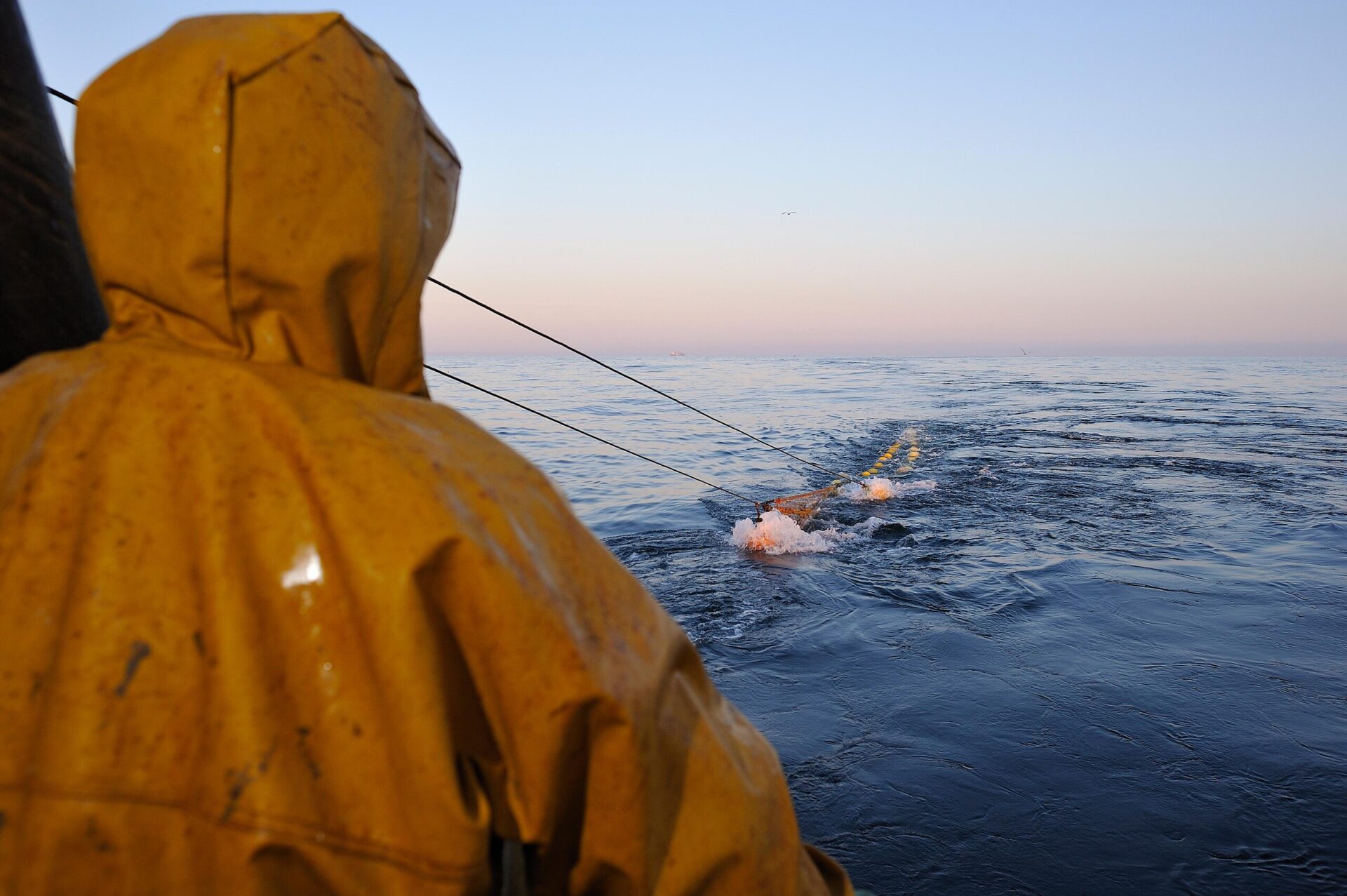
The world’s first global inventory of bottom trawl catches has exposed the staggering breadth of one of the ocean’s most destructive fishing practices – and researchers warn the true scale may be far worse than the data suggests.
For more than a century, bottom trawls have scraped the seafloor, hauling up whatever lies in their path. Now, for the first time, scientists have attempted to tally the full scope of what is being taken. And the answer is alarming.
A landmark study published in Reviews in Fish Biology and Fisheries by researchers at the University of British Columbia (UBC) has identified more than 3,000 fish species caught in bottom trawls – with estimates suggesting the real figure could approach double that number.
Drawing on more than 9,000 catch records spanning from 1895 to 2021, it is the most comprehensive accounting of its kind ever attempted.
“This is the clearest picture we’ve had of the breadth of bottom trawling. It reveals just how many species are being caught, and how much we have been missing,” said lead author Dr. Sarah Foster, senior researcher and programme leader at UBC’s Project Seahorse.
Among those species are some of the ocean’s most imperilled creatures. The critically endangered giant guitarfish, the endangered zebra shark, and at least three vulnerable seahorse species all appear in trawl catch records.

In other news

The study found that one in seven fish species recorded with an assigned conservation status are already threatened or near-threatened with extinction according to the IUCN Red List. A further one in four are either data deficient or have never been assessed at all, meaning a vast portion of the ocean’s trawled biodiversity remains entirely unknown to science.
The implications, the researchers say, are profound. “We can’t manage what we don’t know. When we remove thousands of species without understanding the impacts on their wild populations, we risk destabilising the very systems that fisheries depend on,” Dr. Foster added.
The picture is complicated further by the way catches are recorded – or rather, aren’t. Smaller, less commercially valuable species are routinely lumped together under catch-all terms such as ‘trash fish’ or ‘mixed fish,’ effectively erasing them from the record.
Where more detailed data was available, the findings were striking: around 95% of species being hauled up were not the intended target of the fishery, yet nearly two thirds were kept regardless.
“Bottom trawling sweeps up entire branches from the marine tree of life. It does not discriminate between common species and those already on the brink of extinction. From critically endangered giant guitarfishes to vulnerable plough-nosed chimeras and seahorses, we put pressure on evolutionarily unique species, including many we still know too little about,” said co-author Syd Ascione, a research biologist at Project Seahorse.
The study’s authors are clear that what the data shows is only a partial picture – a glimpse of a much larger, largely unexamined toll being levied on marine ecosystems every day. With close to 99% of bottom trawling occurring within national waters, the responsibility to act lies squarely with governments.
“We allow at least 100,000 trawlers to scrape the ocean floor, without even knowing what they are catching, and what damage they are doing to those species. It is important that governments take a precautionary approach and exclude bottom trawling from large swathes of the ocean, and particularly from so-called marine protected areas,” said senior author Dr. Amanda Vincent, director of Project Seahorse.


"*" indicates required fields
Printed editions
Current issue
Back issues
Enjoy so much more from Oceanographic Magazine by becoming a subscriber.
A range of subscription options are available.
