Mayotte's ocean heritage and the chance to change everything
It was at the United Nations Ocean Conference the French President announced intentions to nominate Mayotte’s double barrier reef for UNESCO World Heritage status. Photojournalist, Serge Melesan explores the opportunity this could bring the Mahoran people.
In June 2025, during the third United Nations Ocean Conference, the French President announced his intention to nominate Mayotte’s double barrier reef for UNESCO World Heritage status. A project long dormant now resurfaced at a critical moment for ocean protection and the global recognition of natural heritage.
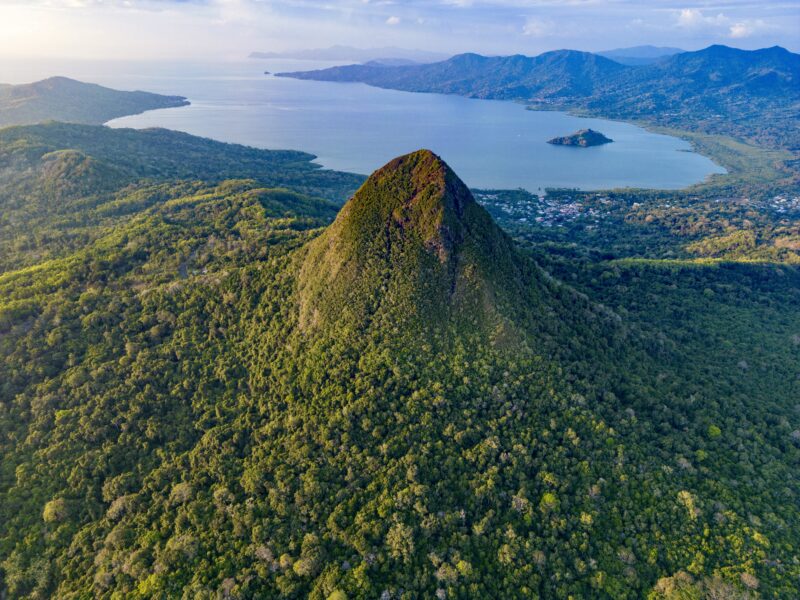
Mayotte, a French overseas department in the heart of the Indian Ocean, is far more than a remote territory. It is an ecological gem, home to astonishing richness still largely unknown to the wider world. Earning UNESCO status would mark an historic shift, both for the conservation of its ecosystems and the pride of the Mahoran people.
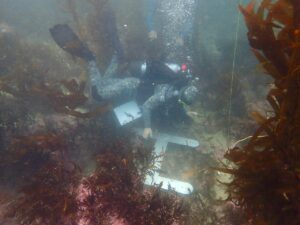
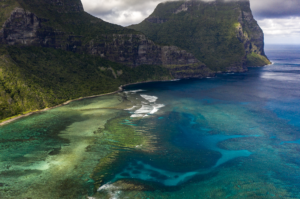
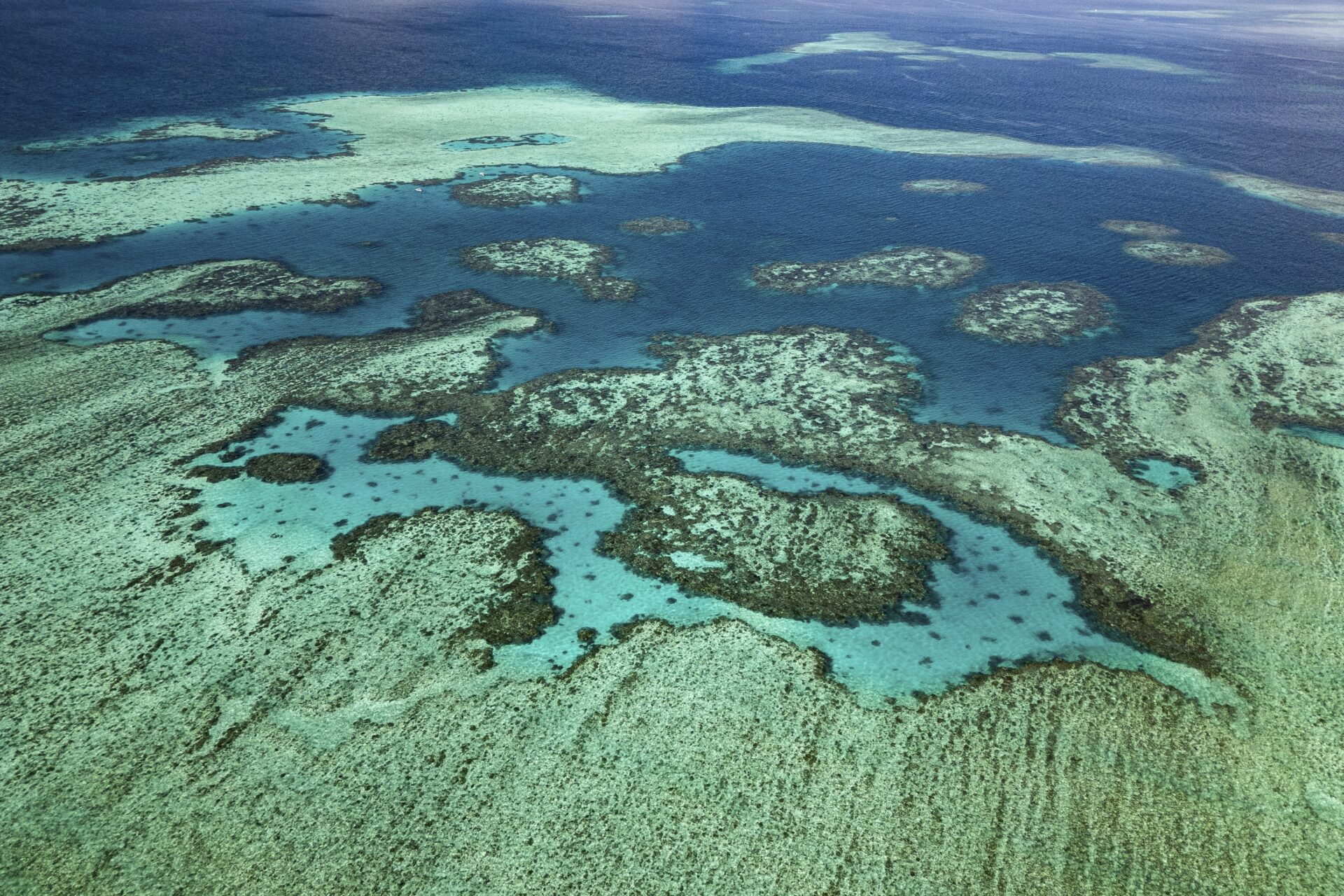
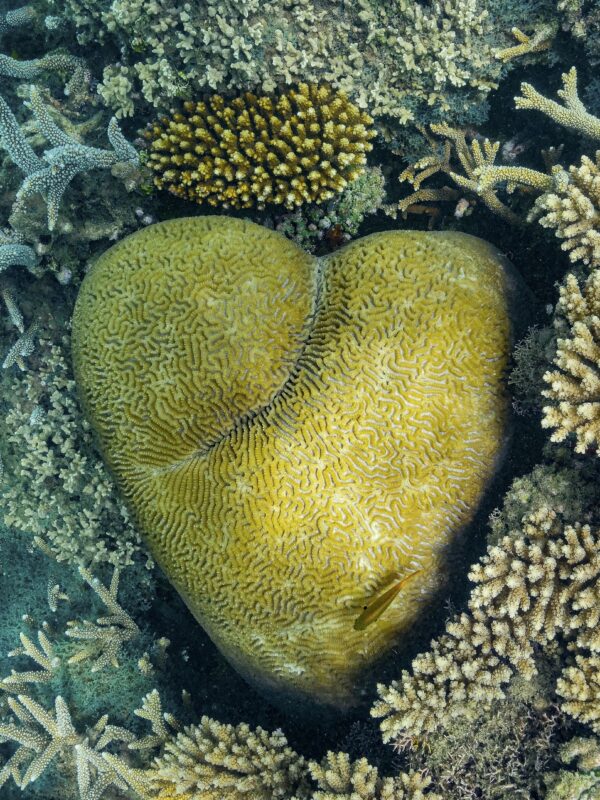
Mayotte is encircled by a rare double barrier reef enclosing a lagoon of approximately 1,500 km² – the largest in the western Indian Ocean, and one of the world’s largest for a volcanic island.
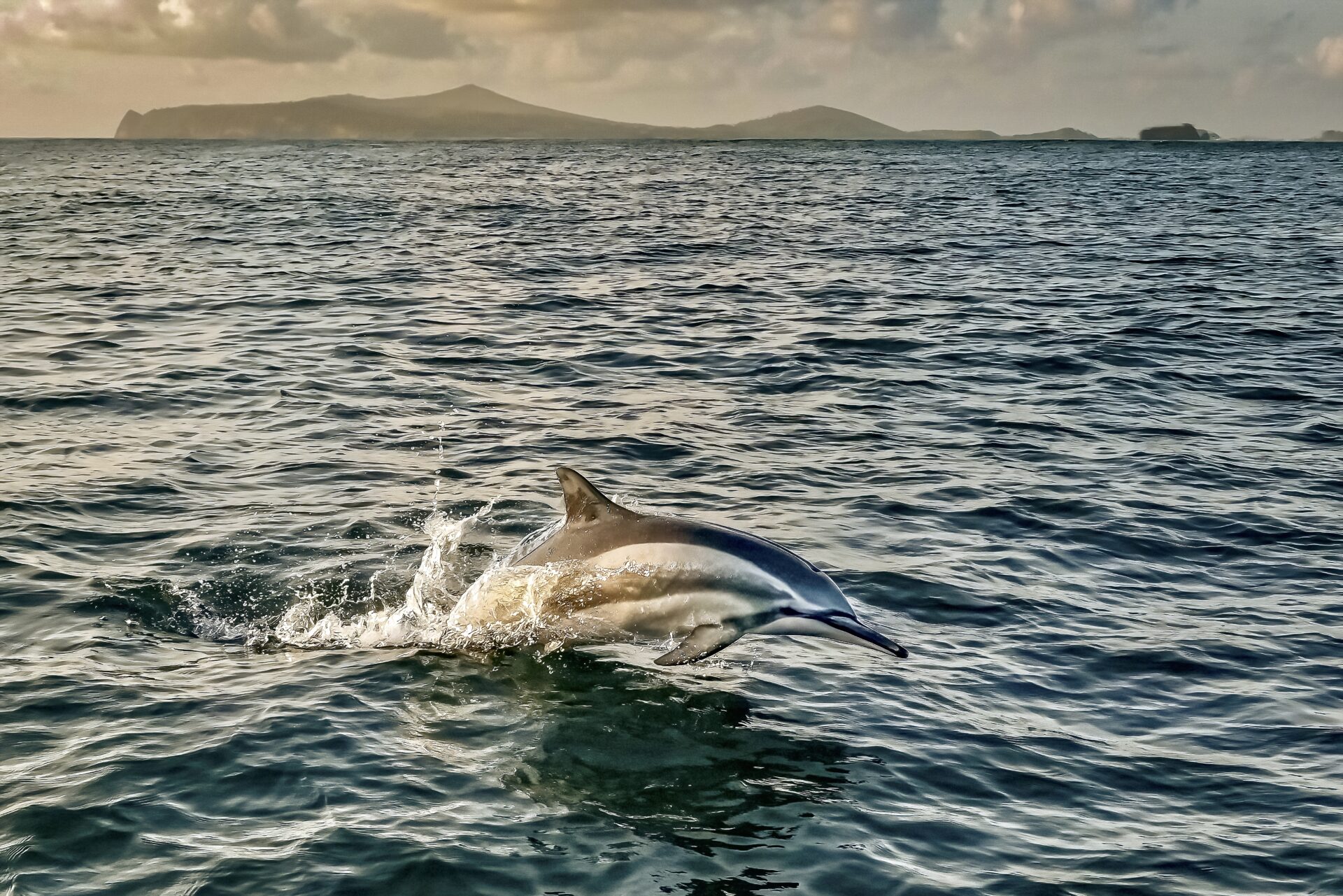
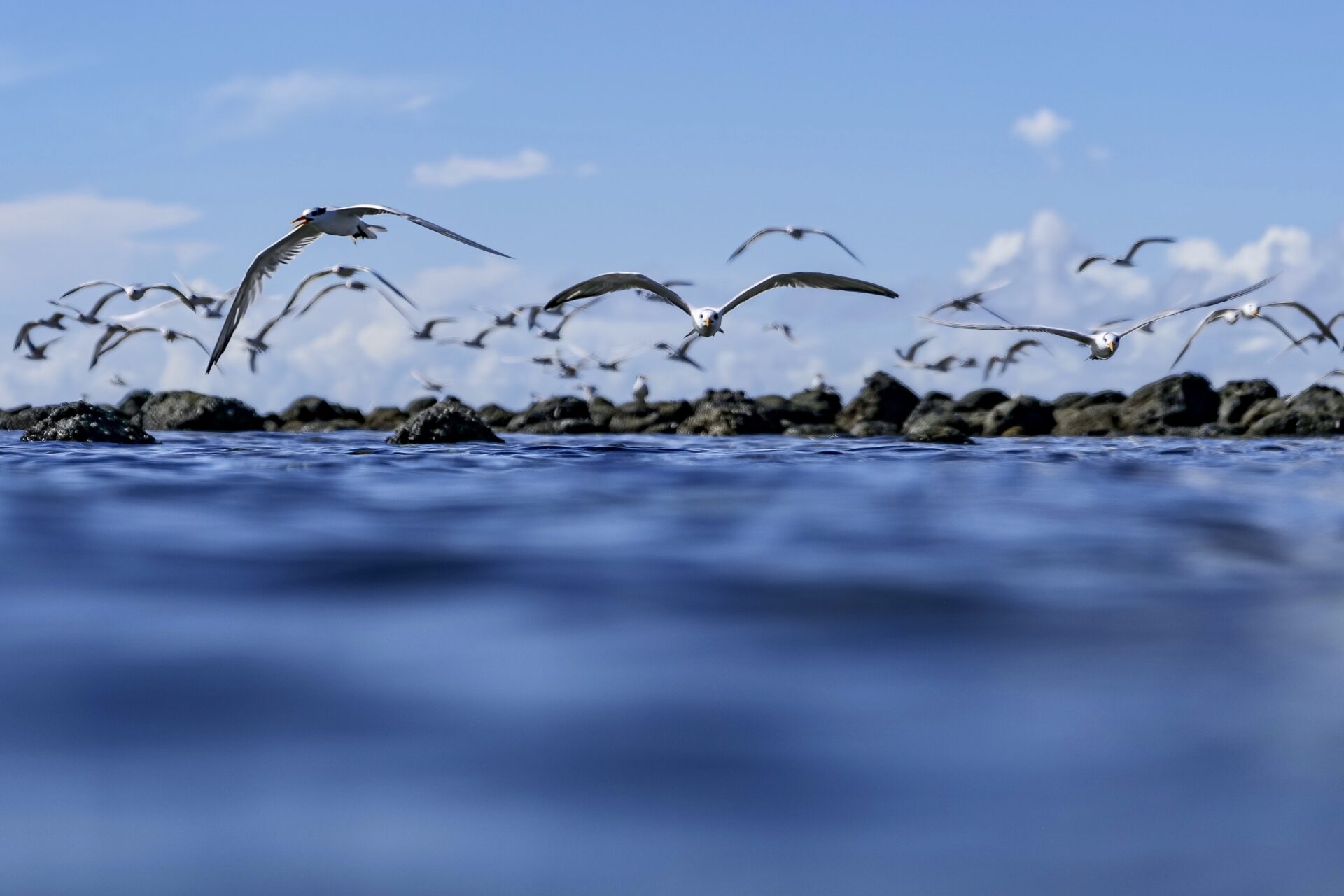
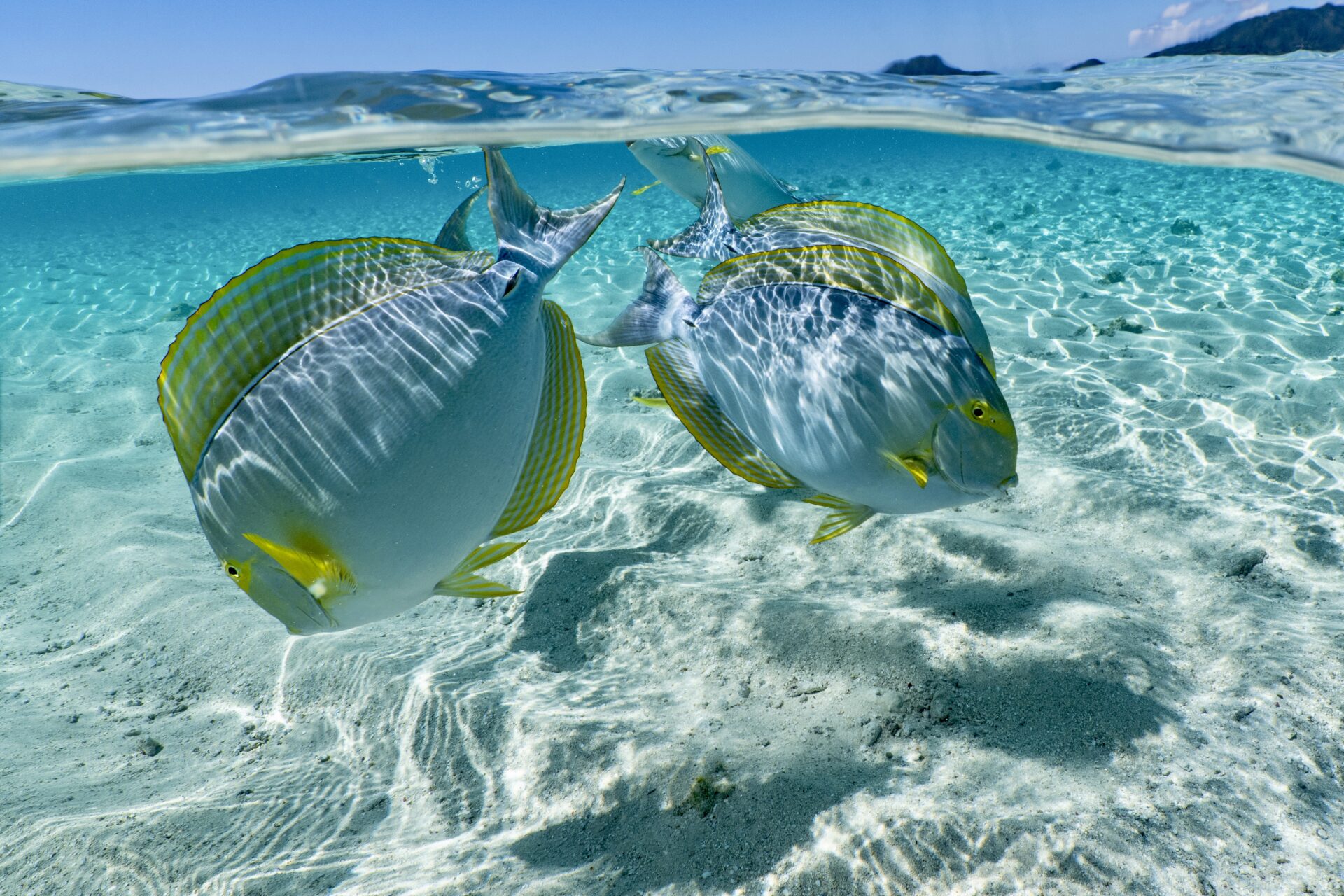
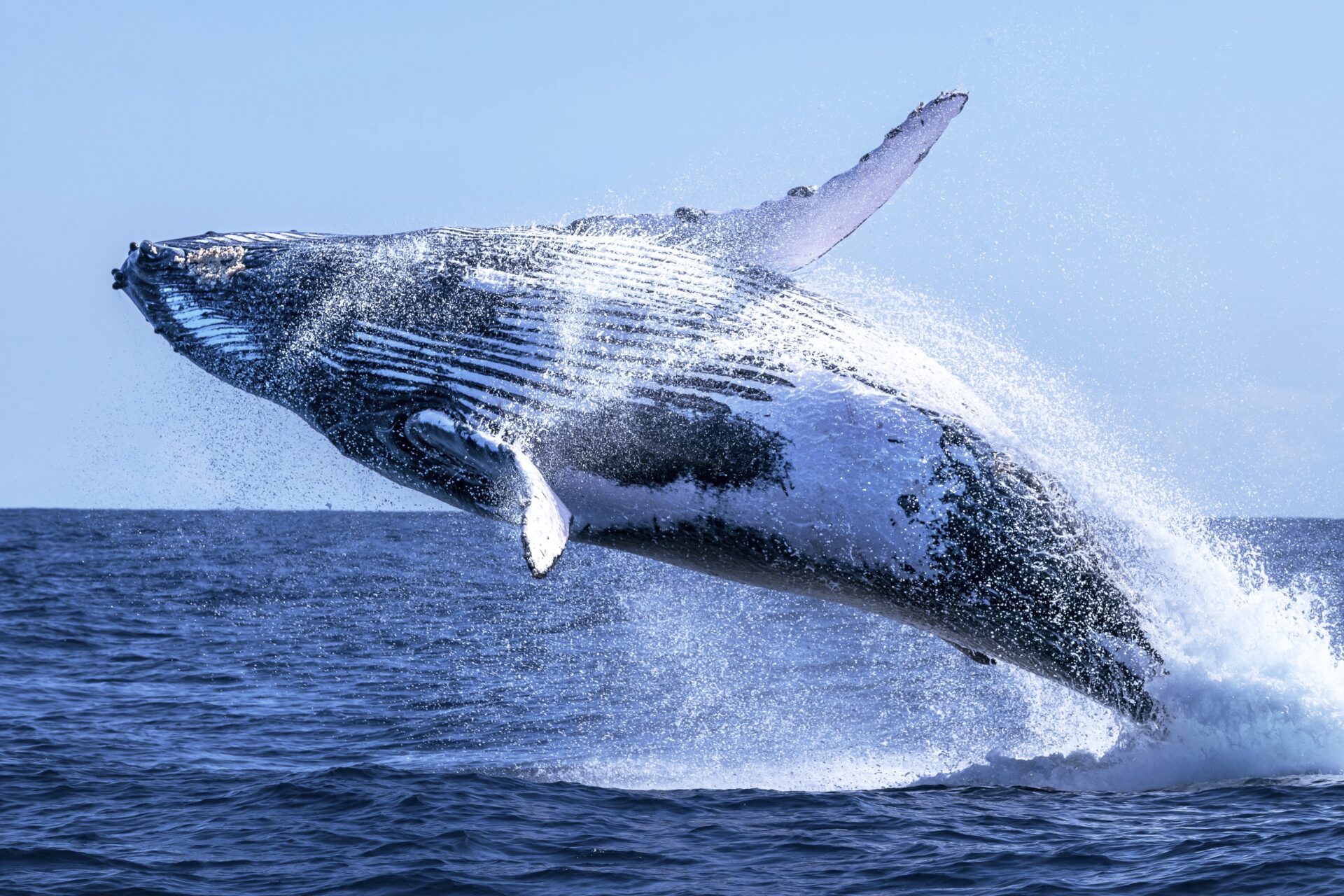
This lagoon hosts remarkable biodiversity: over 250 coral species, nearly 760 fish species, and 22 recorded species of marine mammals – about a quarter of all known globally – including dugongs, dolphins, and humpback whales. Add to that a rich presence of sharks and five species of marine turtles, all protected.
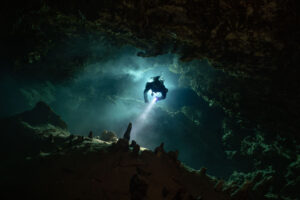
Lake Dziani Dzaha, on Petite-Terre, is another natural marvel. An ancient crater lake formed thousands of years ago in a maar, its emerald waters are rich in cyanobacteria and volcanic gases, sheltering an ecosystem similar to Earth’s early biological stages.
Today, it serves as a natural observatory to monitor the underwater volcano Fani Maoré, located 50 km offshore. Its eruption between 2018 and 2019 marked a scientific breakthrough, and the gases rising from Dziani offer insight into the island’s hidden geological heartbeat.
So, why would the promised UNESCO World Heritage status benefit Mayotte and its communities? The answer is manifold.
Other features
Conservation and identity
At its heart, UNESCO status brings higher protection standards. It would require French authorities and local actors to reinforce safeguarding efforts for Mayotte’s coral reefs, mangroves, seagrass beds, and endangered species.
This in turn would mean: tighter regulation of human activities such as fishing, moorings, tourism, coastal development, as well as long-term scientific monitoring. It would also mean, of course, access to international conservation funding – a critical piece of the puzzle – which would go the distance in better coordinating efforts across the vested institutions, spanning researchers, NGOs, and local communities.
But it’s important to remember that a UNESCO status doesn’t remove status from stakeholders and does not protect instead of locals. More so, it works to empower and amplify their efforts.
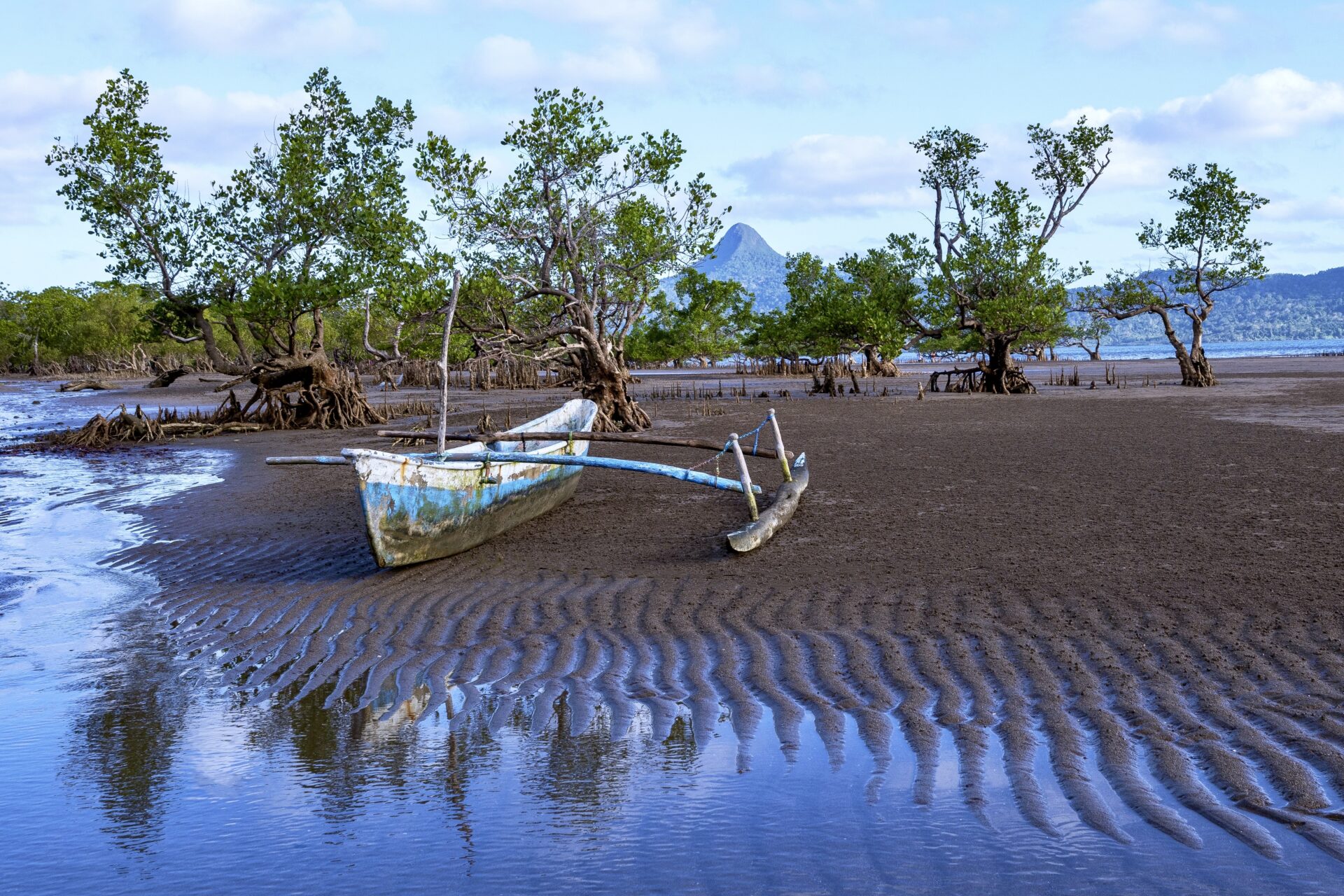
Importantly, these protections would also benefit terrestrial biodiversity. Efforts to manage plastic waste, reduce pollution, and protect endemic forested areas will directly support the survival of species like fruit bats, lemurs (makis), and endemic birds, all of which depend on intact forest habitats. By safeguarding the forests that hold back sediment and regulate water flows, we are not only protecting the lagoon – we are preserving the rich web of life on land as well.
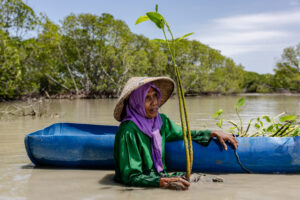
Then there is the benefits it would bring to restoring and preserving the Mahoran identity. Mayotte is often misrepresented or overlooked in national media. A World Heritage listing would officially acknowledge the island’s exceptional value and bring a sense of dignity and recognition to Mahoran communities.
There is a strong sense of hope that it would encourage an intergenerational transmission of marine knowledge; raise local awareness about ecological wealth and its vulnerability; and impart a renewed cultural identity rooted in oceanic heritage.
It could also positively impact the kind of tourism that Mayotte attracts, encouraging sustainable tourism that could create local jobs in ecotourism, guiding, diving, crafts, and hospitality while promoting the long-term economic resilience of the region based on its nature protection. All of this could go lengths to reposition Mayotte on the global scene as a key site for ocean-based storytelling.
Meeting Outstanding Universal Value
UNESCO status requires that a site demonstrate Outstanding Universal Value (OUV). With one of the world’s few documented double barrier reefs and its exceptional list of endemic and endangered marine life, Mayotte already begins to fulfils several core criteria.
On top of its geomorphological rarity and exceptional biodiversity, and despite the growing pressures it faces, it is a example to the world of functioning ecosystems, with many of its natural balances remaining intact. This all puts in very good stead. What it must do now, is prove its adeptness at a sustainable management. The tools for which, are already in place.
The Mayotte Marine Natural Park – created in 2010 – spans 68,000 km² with participatory management; it boasts a programme of marine zoning, ecosystem monitoring, and environmental education, and delivers complementary protection through forest reserves and community engagement.
What it lacks, however, is resources and sustainable long-term funding. It’s also currently wrestling with anthropogenic pressures that include pollution from household runoff and coastal erosion, an underground culture of turtle poaching and unregulated fishing alongside the impacts of climate change such as coral bleaching, rising seas, and climate shifts.
Then, of course, is the ongoing volcanic activity from Fani Maoré. All of this demands vigilance and adaptive management by the local Mahoran.
A successful nomination will depend on a collective willpower to build a shared vision. This begins in earnest with a firm, political commitment from France that will cascade down to local leadership, community engagement, and youth involvement. With this should come a strength in recognition of the Mahoran people as cultural and ecological stewards of Mayotte.
Heritage listing isn’t about drawing borders. It’s about choosing what future we want to protect.
UNESCO recognition would be powerful. But it only matters if matched by deep, sustained commitment – both locally and nationally. Because we are not there yet.
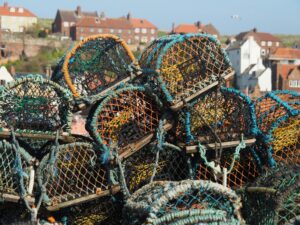
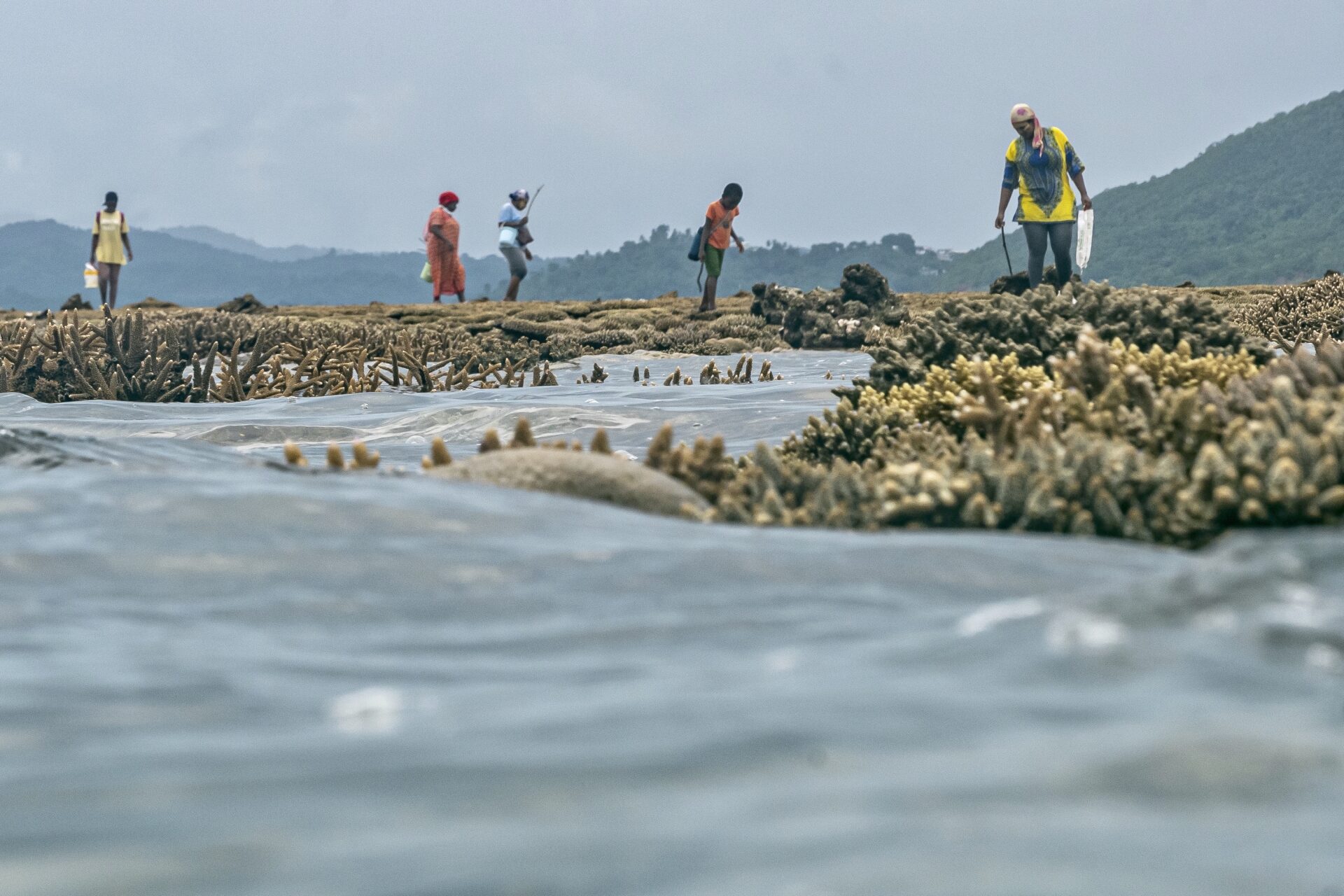
On the ground, the challenges are real. Unregulated construction is devouring the coastline. Wastewater continues to pour into the lagoon. Turtles are still hunted. At low tide, octopus and lagoon fish are collected without oversight, often while walking directly on living coral. This fragile reality stands in stark contrast with Mayotte’s breathtaking beauty. But turning away would be a mistake.
We need political courage: to halt illegal building, invest in wastewater treatment, regulate traditional fishing with respect for its role, and above all – reinforce the French Biodiversity Office and Marine Park so enforcement, education, and protection become standard practice.
We need to educate the next generation of Mahorans. Teach them that they live amid one of Earth’s last great marine sanctuaries – and that this inheritance must be earned and preserved.
Since living and working in Mayotte, I have seen the island as a living laboratory for what humanity can nurture… or let collapse. It is a place where hope and urgency coexist.
If it earns World Heritage status, it will be a collective victory – for Mayotte, for France, for the ocean. But if this nomination fails, despite its clear merit, then we must ask: if we can’t act meaningfully on an island like Mayotte, what credibility remains in global ocean summits?
Mayotte does not need pity. It needs courage. Vision. And allies. Because protecting Mayotte is protecting the future – a fragile future, but one still within reach.

Printed editions
Current issue
Back issues
Enjoy so much more from Oceanographic Magazine by becoming a subscriber.
A range of subscription options are available.
