95% of Scotland's seas open to trawling... but things could change
Scotland has opened a consultation on fisheries management for 76 MPAs and 90 proposed PMF areas, as campaigners note that 95% of its inshore seas remain open to bottom trawling despite existing protected-area designations.
Despite hosting vast kelp forests, seagrass meadows, and maerl beds, 95% of Scotland’s inshore seas remain open to bottom trawling and dredging – even within the areas designated and designed to protect them.
Now, however, the Scottish Government has opened a consultation that could finally bring real fisheries management to 76 Marine Protected Areas and 90 proposed Priority Marine Feature management areas across its inshore waters.
The consultation seeks views on proposed fisheries management measures for inshore Marine Protected Areas (MPAs) that still lack them, along with proposed management areas covering the 11 Priority Marine Feature management areas (PMFs) considered most sensitive to trawls and dredges dragged across the seabed.
“Scotland’s seas are among our nation’s most valuable assets, supporting biodiversity, coastal communities, and sustainable fisheries. The Scottish Government is committed to protecting and enhancing the health of our marine environment while recognising the social, cultural, and economic importance of our fishing industry,” said Jim Fairlie MSP, Minister for Agriculture, Marine and the Islands.
“Marine Protected Areas and Priority Marine Features play an important role in helping us to achieve our shared ambitions for healthy, productive, and resilient seas. Effective management of activities within these areas is essential to ensure that their conservation objectives can be achieved for current and future generations.”
The purpose of this consultation is to provide individuals, communities, businesses, fisheries stakeholders, environmental organisations, and those with an interest in Scotland’s seas with the opportunity to inform and enhance ministerial decision-making.
“It’s important to be clear that no decisions have been made at this stage,” Fairlie added. “I recognise that these proposals may have differing implications for those who use and depend upon the marine environment. It is therefore essential that decisions are informed by the best available evidence, local knowledge, and stakeholder experience.”
Fairlie said he wants that input to sit alongside the scientific and economic evidence already gathered.
“The Scottish government is committed to a transparent and evidence-based approach. I encourage all interested parties to engage fully with the consultation and provide constructive feedback.”
In other news
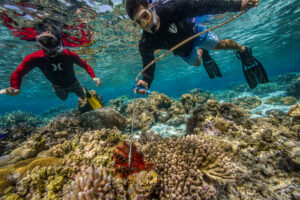
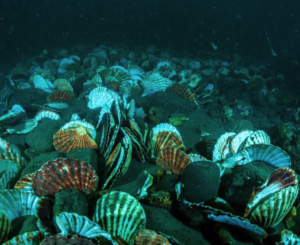


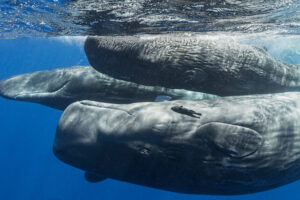

Scotland’s MPA network now spans 247 sites, 233 of which are designated for nature conservation – covering 37% of Scotland’s seas, above the global target of 30% MPA coverage by 2030.
Scotland’s seas are some of the most biologically diverse in Europe, supporting thousands of species across a wide variety of habitats. As a nation, Scotland is facing twin biodiversity and climate crises with a narrowing window of opportunity to support the recovery and resilience of its marine environment and the industries that rely upon it.
Fish stocks and wildlife tourism as well as carbon storage in seabed sediments are all benefits to be enjoyed by a thriving and protected marine environment.
However, designation alone hasn’t meant protection in practice – a gap that conservation groups have long pushed the government to close. Izzy Ross, Campaign Manager at Oceana UK, welcomed the consultation as a first step, but said it need to lead to real restrictions across entire sites.
“It’s good news that Scottish Government has finally started the crucial work of planning true protection for the 166 marine protected areas in Scotland’s running inshore waters,” said Ross.
“Despite boasting wonders such as those vast kelp forests, seagrass meadows, and maerl beds, 95% of Scotland’s inshore seas are still open to the destruction of bottom trawling and dredging. Like bulldozing a rainforest, these destructive fishing practices cut through marine protected areas, disrupting the fish nurseries and lobster breeding grounds on which the fishing industry relies.
“It’s vital that the government come away from this consultation with one clear message: Inshore protected areas are vital for both thriving ocean wildlife and livelihoods in coastal communities. They need strong protection across the entirety of each site.”


"*" indicates required fields
Printed editions
Current issue
Back issues


Enjoy so much more from Oceanographic Magazine by becoming a subscriber.
A range of subscription options are available.
