Ancient turtle bones offer insight into future Caribbean conservation
New species-level analysis of ancient turtle bones from Curaçao and Bonaire is revealing patterns of human hunting stretching back 1,000 years, offering conservationists a rare long-term view of how these animals respond to pressure
Researchers from Simon Fraser University, working with a Caribbean heritage partner, have completed the first detailed species-by-species analysis of sea turtle bones recovered from archaeological sites on Curaçao and Bonaire, uncovering a thousand-year record of human-turtle interaction that scientists say could reshape conservation strategy across the southern Caribbean.
The study, published in the Journal of Archaeological Science: Reports, used a protein-based identification technique known as zooarchaeology by mass spectrometry, or ZooMS, to determine the species of 37 turtle bone samples collected from seven sites across the two islands. The analysis identified 13 green sea turtles, 10 loggerheads and two hawksbills.
Christine Conlan, a PhD candidate in SFU’s Department of Archaeology and the study’s lead author, said that historic records help to establish what the natural population of turtles was in the area, prior to intense human activity.
“Baselines can help us establish what these ecosystems looked like prior to heavy industrialisation, heavy modern pollution and increased climate change, to see what these states were and to establish environmental parameters that can support species survival under modern conditions,” said Conlan.
Interestingly, these findings also complicate assumptions about which species were hunted most and how that hunting relates to today’s population trends.
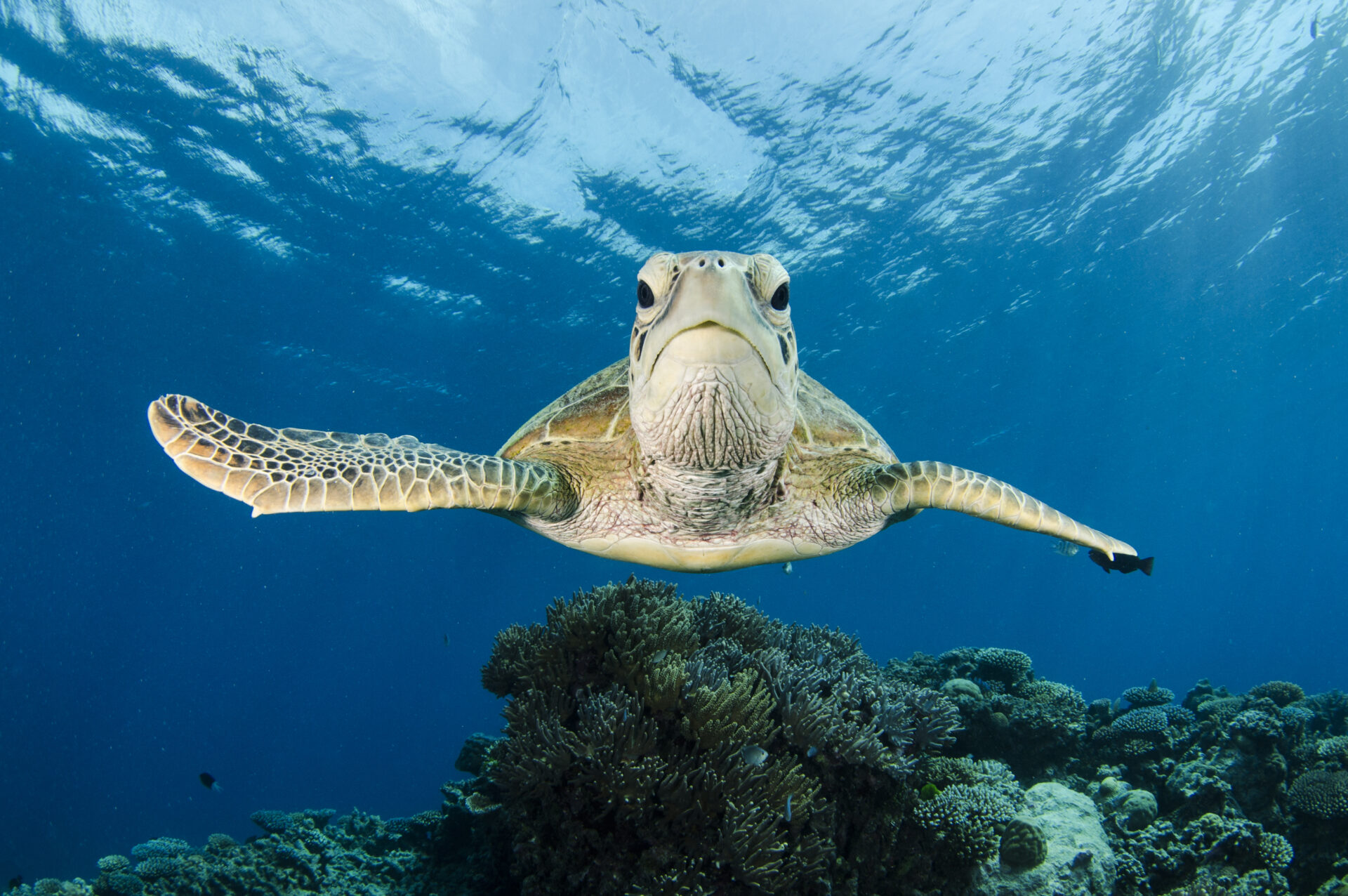
Green turtles, the most frequently hunted species in the archaeological record, are faring relatively well today, while loggerheads, also heavily hunted historically, are now rare in the region. Hawksbills, despite being common on the islands, were rarely targeted by ancient hunters.

In other news


Conlan suggested these differing outcomes may reflect when hunting pressure began. Species such as hawksbills and leatherbacks may have seen minimal exploitation until European colonisation introduced a more intensive turtling industry in the 16th century, while green turtles and loggerheads faced a longer history of human pressure, with green turtles possibly developing resilience over time.
Hunting choices, researchers noted, likely depended on factors such as abundance, flavour and behaviour. Green turtles’ abundance and reputation for better taste may explain why they were preferentially hunted. Loggerheads, meanwhile, appear to have been drawn to the islands by once-abundant queen conch populations, which have since collapsed.
“You see conch shells consistently throughout archaeological sites and over time you see them get smaller and smaller, which could indicate overexploitation,” said Conlan.
Conlan said current conch restoration efforts might inadvertently draw loggerheads back to forage in the area.
The team also found evidence of turtle nesting on the islands dating to at least the year 1040, suggesting that nesting sites used today have been in continuous use for centuries, information which researchers say could help guide protections against coastal development.
Conlan said the approach offers a rare long-term perspective for species like sea turtles, which can live more than 70 years and show genetic or population shifts only over long timescales.
“Genetic and population changes aren’t going to show up for a long time, so you really need that long-spanning lens,” said Conlan.
“What we’ve done here is not just applicable to sea turtles; it’s not just applicable to Caribbean islands. This could be applied to any species anywhere where ZooMS markers exist for those species,” she added.


"*" indicates required fields
Printed editions
Current issue
Back issues


Enjoy so much more from Oceanographic Magazine by becoming a subscriber.
A range of subscription options are available.
