Antarctic krill fishery shuts early for second year running
Vessels have hit their catch limit in the Southern Ocean for the second consecutive year, triggering fresh calls for marine protection
The Antarctic krill fishery has closed early after vessels reached the trigger catch limit of 620,000 tonnes. Scientists say the repeat early closure highlights a growing gap between conservation needs and how the fishery is managed.
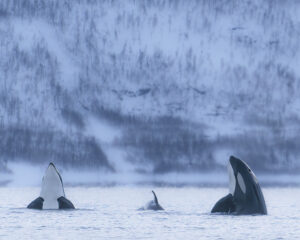
Krill underpin the Southern Ocean food web, feeding penguins, whales, seals, and a host of other species. Fishing has become increasingly concentrated around the Antarctic Peninsula, where predators rely on dense krill swarms during breeding and feeding seasons.
While the total catch remains a small fraction of the overall krill population, campaigners argue that clustering fishing effort in these hotspots forces already climate-stressed animals to travel further for food.
Conservationists stress that well-designed Marine Protected Areas (MPAs) are essential to shield these vital feeding and breeding grounds from industrial fishing pressure, providing a buffer for wildlife as climate change strains food supplies.
Members of the Commission for the Conservation of Antarctic Marine Living Resources (CCAMLR) agreed as far back as 2009 to establish a representative system of MPAs across the Southern Ocean. However, not a single new MPA has been adopted since 2016.
The Antarctic Peninsula, the very region where krill fishing is now most concentrated, remains without protection, despite a protection proposal having been on the table for years.
The current issue traces back to the expiry of a 2024 conservation measure that had spread fishing activity across four management zones. Its lapse led CCAMLR’s Scientific Committee to warn that the current approach was no longer precautionary, but members failed to agree on a replacement at their 2025 annual meeting.
Norwegian firm Aker QRILL has supplied roughly 63% of the fishery’s catch over the past decade, most of which feeds into omega-3 supplements and aquaculture feed. Industry figures maintain the fishery is sustainable given how little of the total krill biomass is taken. Scientists counter that biomass estimates predate recent, unprecedented sea-ice loss and may no longer reflect current conditions.

In other news

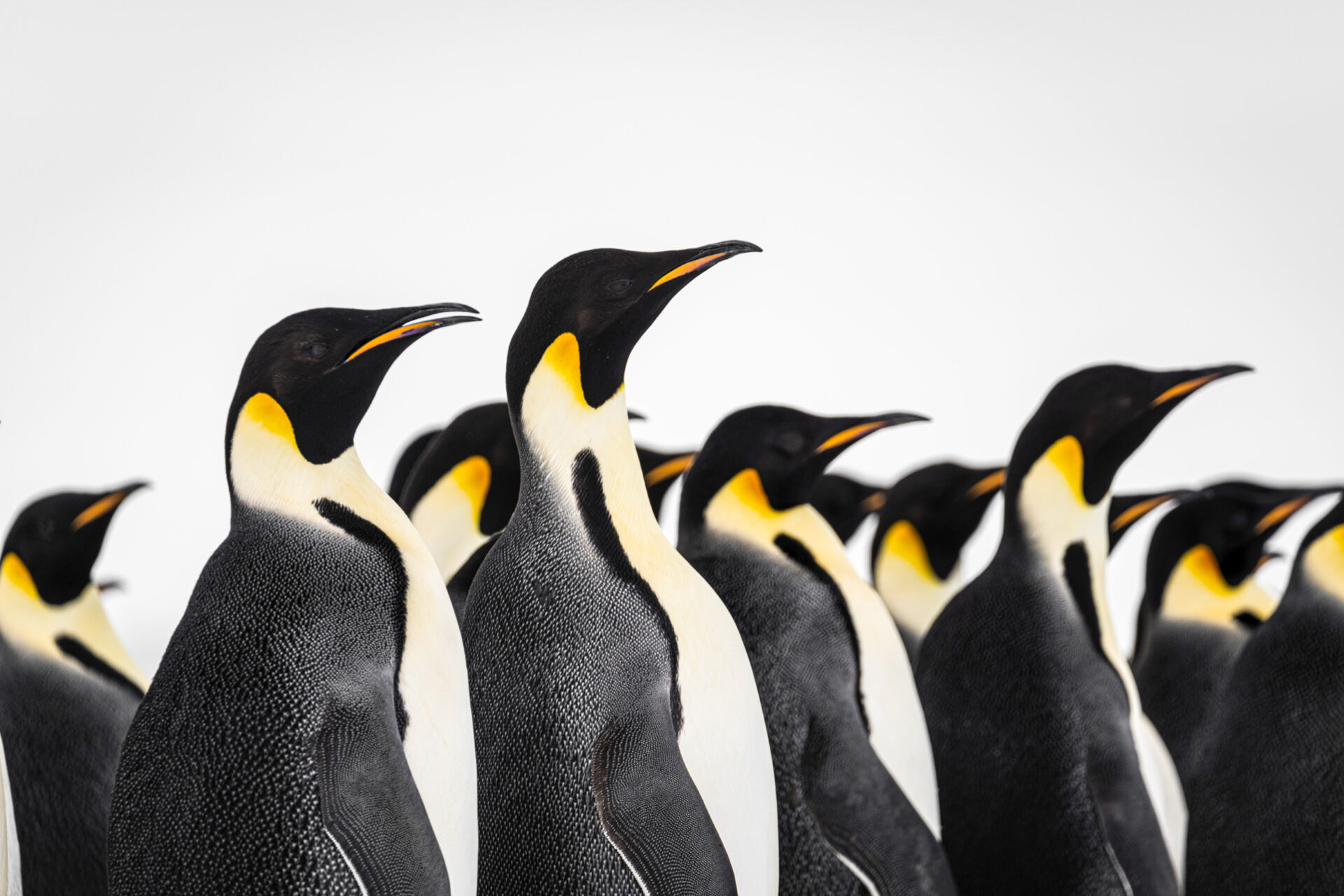
The closures come shortly after the IUCN reclassified both the emperor penguin and the Antarctic fur seal as Endangered, citing shrinking krill availability as a contributing factor. Adding to the pressure, conservation groups ASOC and WWF have formally objected to the Marine Stewardship Council’s recent recertification of the fishery as sustainable, a decision still under review.
Former President of Costa Rica and Chair of the Antarctica2030 campaign, José María Figueres, said the situation reflects a governance system struggling to keep pace with rapid ecological change.
“Two consecutive early closures should be a wake-up call for everyone who cares about the future of Antarctica,” Mr Figueres said.
Former UK environment secretary Zac Goldsmith echoed those concerns, arguing that sustainability certification should reassure consumers rather than gloss over warnings from scientific advisers.
“When the management system’s own scientific advisers acknowledge the system is falling far short, that should prompt more, not less scrutiny,” Mr Goldsmith said. “This must really be a wake-up call for government members of CCAMLR. The world will not forgive continued stalling and failure.”
Campaigners are now urging CCAMLR members, who meet again later this year, to restore spatial protections, modernise krill management, establish the long-delayed Antarctic Peninsula Marine Protected Area, and commit to safeguarding 30 per cent of the Southern Ocean by 2030.


"*" indicates required fields
Printed editions
Current issue
Back issues
Enjoy so much more from Oceanographic Magazine by becoming a subscriber.
A range of subscription options are available.